
Import Car Eligibility Checker
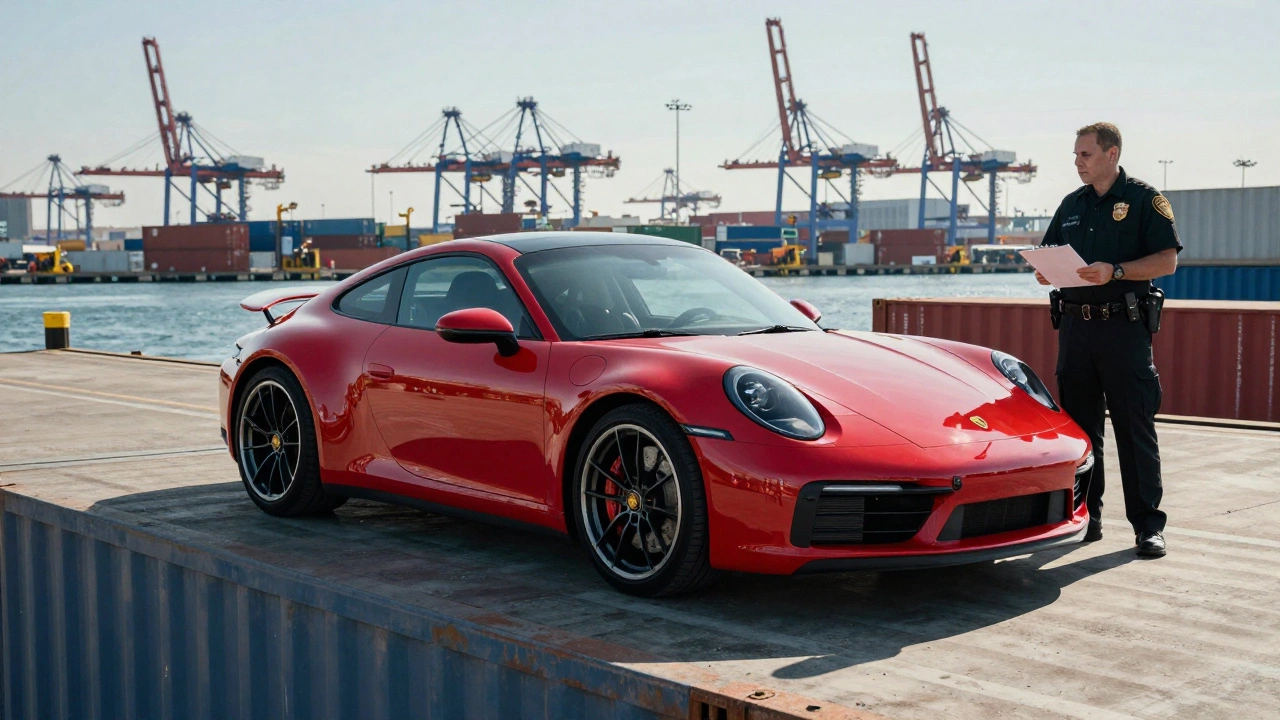
Picture this: you spot a pristine Porsche 911 with right-hand drive steering on eBay. It’s cheaper than any American-spec model because it was originally sold in Japan or Europe. You buy it, ship it to your port in Los Angeles, and wait for the joy of ownership. Instead, you get a letter from U.S. Customs and Border Protection (CBP). The car is detained. Why? Because, under current federal law, that specific vehicle is effectively illegal to import for daily use.
This isn’t just about protecting domestic auto sales. It’s a complex web of safety standards, environmental rules, and bureaucratic hurdles designed to keep non-compliant vehicles off American roads. If you are thinking about bringing a foreign car into the United States, understanding these laws is critical. One wrong move can cost you thousands in fines or result in the total loss of your vehicle.
The Core Reason: Safety Standards Mismatch
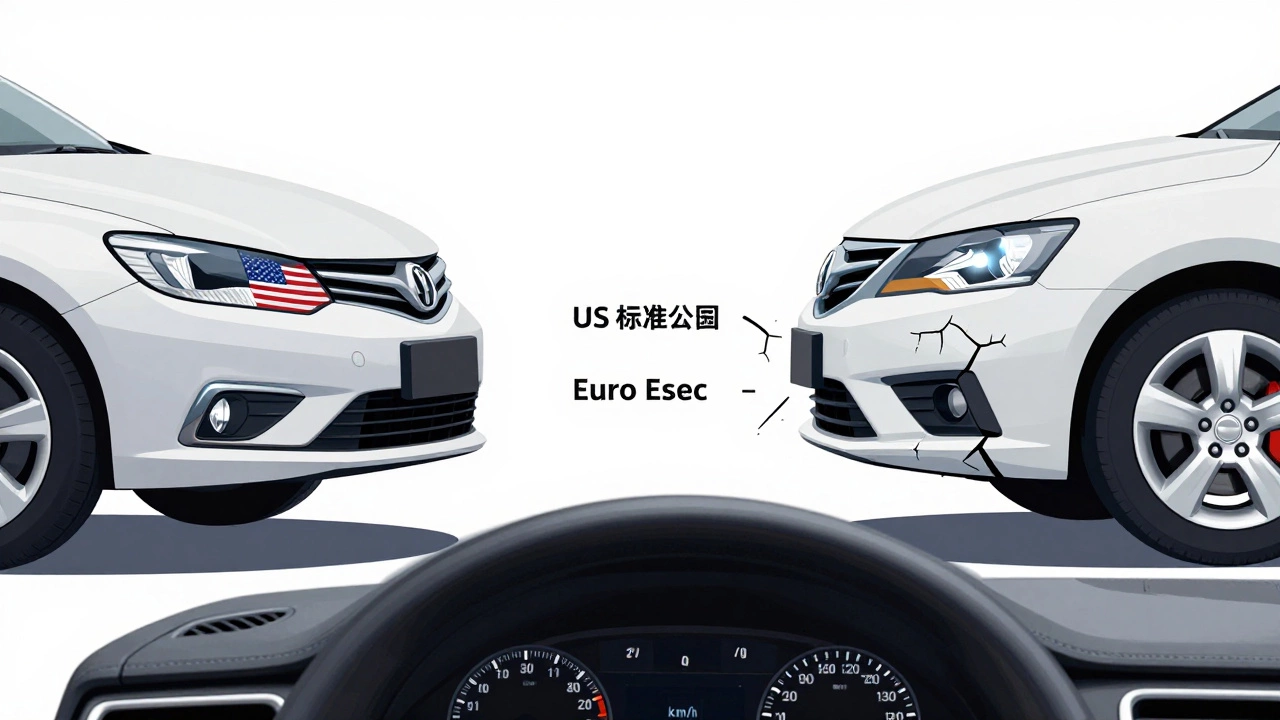
The primary reason many import cars are restricted is not political; it is technical. The United States has its own set of Federal Motor Vehicle Safety Standards (FMVSS), enforced by the National Highway Traffic Safety Administration (NHTSA). These standards dictate everything from headlight beam patterns to bumper heights and airbag deployment timing.
Cars built for other markets-like Europe, Asia, or Australia-are engineered to meet their local regulations. For example:
- Headlights: European cars often have different light scatter patterns. In the U.S., headlights must be aimed lower to avoid blinding oncoming drivers on wider highways. A direct swap isn't always simple due to housing geometry.
- Bumpers: U.S. bumpers must withstand low-speed impacts without damaging the car's bodywork. Many foreign cars have softer, more fragile bumpers that would fail this test.
- Mirrors and Gauges: Speedometers in most countries show kilometers per hour (km/h), while the U.S. requires miles per hour (mph). Side mirrors may also lack the wide-angle convex shape mandated in the U.S. for better visibility.
If a car does not meet these standards at the factory, it cannot be legally registered for street use. This creates a massive barrier for enthusiasts wanting to bring home rare or affordable models.
The 25-Year Rule: Your Golden Ticket
So, is it impossible to import a foreign car? No. There is one major exception that changes everything: the 25-Year Rule.
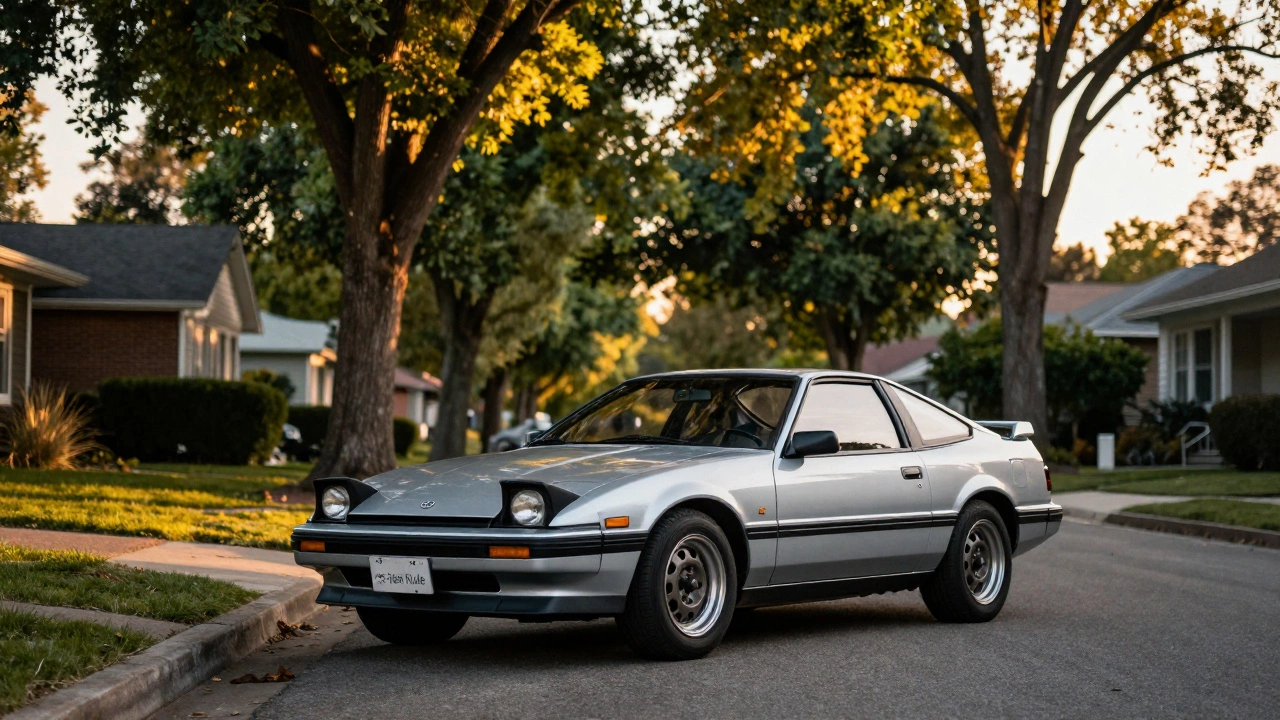
Under 49 CFR § 553.6, any vehicle that is at least 25 years old is exempt from FMVSS compliance. This means if you want to import a 1990 Toyota Supra or a 1985 BMW E30, you do not need to prove it meets modern U.S. safety standards. You only need to ensure it doesn't violate certain emission standards (more on that later).
This rule exists because older cars are considered "classic" or "collector" items. The assumption is that they will be driven less frequently and cared for meticulously. However, there is no loophole here regarding the age calculation. The clock starts ticking from the date of manufacture, not the date of purchase. A 2020 Porsche Cayenne will not be eligible for import until January 1, 2046.
DOT Compliance: The Path for Newer Cars
If your dream car is newer than 25 years, you aren't entirely out of luck, but the path is much harder. You must achieve Department of Transportation (DOT) Compliance. This process involves two main steps:
- Self-Certification: You must modify the car to meet all applicable FMVSS. This usually requires hiring a specialized importer who knows exactly which parts to change. They might install U.S.-spec headlights, add side-impact beams, or recalibrate the dashboard instruments.
- NHTSA Approval: Once modified, the vehicle must be inspected by an NHTSA-approved inspection station. If it passes, you receive a conformity label. Without this label, the car cannot clear customs.
This process is expensive. Expect to pay between $3,000 and $10,000+ in modification and certification fees. For common cars, this makes no financial sense. But for rare supercars or limited-edition models, it can be worth the investment.
| Vehicle Age | Safety Requirement | Emission Requirement | Cost Estimate |
|---|---|---|---|
| Less than 25 Years | Must meet FMVSS (DOT Compliance) | Must meet EPA standards | $3,000 - $15,000+ |
| 25 Years or Older | Exempt from FMVSS | Must meet pre-1975 or original market emissions | $500 - $2,000 (Customs & Inspection) |
| Pre-1968 | No safety or emission checks required | None | Minimal (Shipping & Duties) |
The Environmental Hurdle: EPA Regulations
Even if your car clears the safety department, it still has to pass the Environmental Protection Agency (EPA). The EPA controls what gets emitted into the air. Their rules are notoriously strict and separate from the NHTSA's safety rules.
For vehicles less than 21 years old, the EPA generally prohibits importation unless the car was originally certified for sale in the U.S. This is a huge catch. Many high-performance engines were never sold in America due to stricter fuel quality assumptions or corporate average fuel economy (CAFE) targets. Therefore, even if you fix the headlights, the EPA might still block the car because its catalytic converter isn't up to snuff.
However, similar to the safety rule, there is an age exemption. Vehicles that are 21 years or older are exempt from EPA emission testing for import purposes. Note the discrepancy: 25 years for safety, 21 years for emissions. This means a 23-year-old car might be legal environmentally but still illegal safely.
Right-Hand Drive vs. Left-Hand Drive
A common misconception is that right-hand drive (RHD) cars are automatically illegal. They are not. The direction of the steering wheel is not a federal safety standard. You can legally drive a RHD car in the U.S. if it meets all other DOT and EPA requirements.
However, practical challenges remain:
- State Registration: Some state DMVs are confused by RHD vehicles and may refuse registration, claiming they don't meet local laws. Federal law preempts state law, but fighting bureaucracy takes time and money.
- Passenger Airbags: In a RHD car imported to the U.S., the passenger-side airbag might deploy incorrectly in a crash because the sensors are calibrated for LHD traffic flow. This can be a liability issue.
- Resale Value: While cool to collectors, RHD cars have a smaller buyer pool in the U.S., potentially affecting future resale value.
Common Pitfalls and Myths
Many people fall into traps when trying to import cars. Here are the biggest ones to avoid:
Myth: "I can just register it as a kit car."
Some try to strip the VIN and re-register the chassis as a custom build. This is fraud. The NHTSA tracks VINs globally. If the original manufacturer didn't certify the car for the U.S., faking documentation is a federal crime.
Myth: "It’s fine if I only drive it on weekends."
Laws apply to all street-driven vehicles, regardless of mileage. Insurance companies will void your policy if they discover the car wasn't properly imported.
Pitfall: Ignoring State Laws.
While federal law sets the baseline, states like California have their own emission standards (CARB). Even if the EPA allows the import, California might not allow you to register it. Always check your state's DMV rules before buying.
How to Successfully Import a Car
If you’ve decided to proceed, follow this checklist to minimize risk:
- Check Eligibility First: Use the NHTSA’s online database to see if the specific make, model, and year is eligible for import. Look for "Not Eligible" tags carefully.
- Hire a Professional Importer: Don’t DIY the paperwork. Companies specializing in gray-market imports know the inspectors and the forms. Their fee is insurance against losing the car.
- Verify the VIN: Ensure the Vehicle Identification Number matches the documents exactly. Any discrepancy halts the process.
- Plan for Modifications: Budget for headlight swaps, mirror replacements, and gauge conversions if the car is under 25 years old.
- Get Pre-Clearance: For complex cases, ask your importer to get written confirmation from NHTSA and EPA before shipping the car.
Importing a car is a marathon, not a sprint. It requires patience, budget, and attention to detail. But for those who succeed, the reward is owning a unique machine that stands out in a sea of domestic clones.
Can I import a car from Japan to the US?
Yes, but only if the vehicle is at least 25 years old or meets all U.S. DOT and EPA safety and emission standards. Japanese Domestic Market (JDM) cars are popular imports, but most modern JDM cars are not eligible for immediate street use in the U.S.
What happens if I smuggle a non-compliant car?
U.S. Customs and Border Protection can seize the vehicle, impose heavy fines, and ban you from future imports. The car may be destroyed or exported at your expense. Fraudulent documentation can lead to criminal charges.
Is the 25-year rule permanent?
Currently, yes. The rule is part of federal code (49 CFR § 553.6). While legislation can always change, there are no active proposals to repeal the 25-year exemption for classic cars.
Do I need to change the speedometer from km/h to mph?
For cars less than 25 years old, yes. The speedometer must display miles per hour prominently. For cars 25 years or older, this requirement is waived, though converting it is recommended for ease of use.
Can I register a right-hand drive car in the US?
Yes, federal law does not prohibit right-hand drive vehicles. However, some state DMVs may have additional requirements or hesitation. Ensure the car meets all other DOT and EPA standards first.