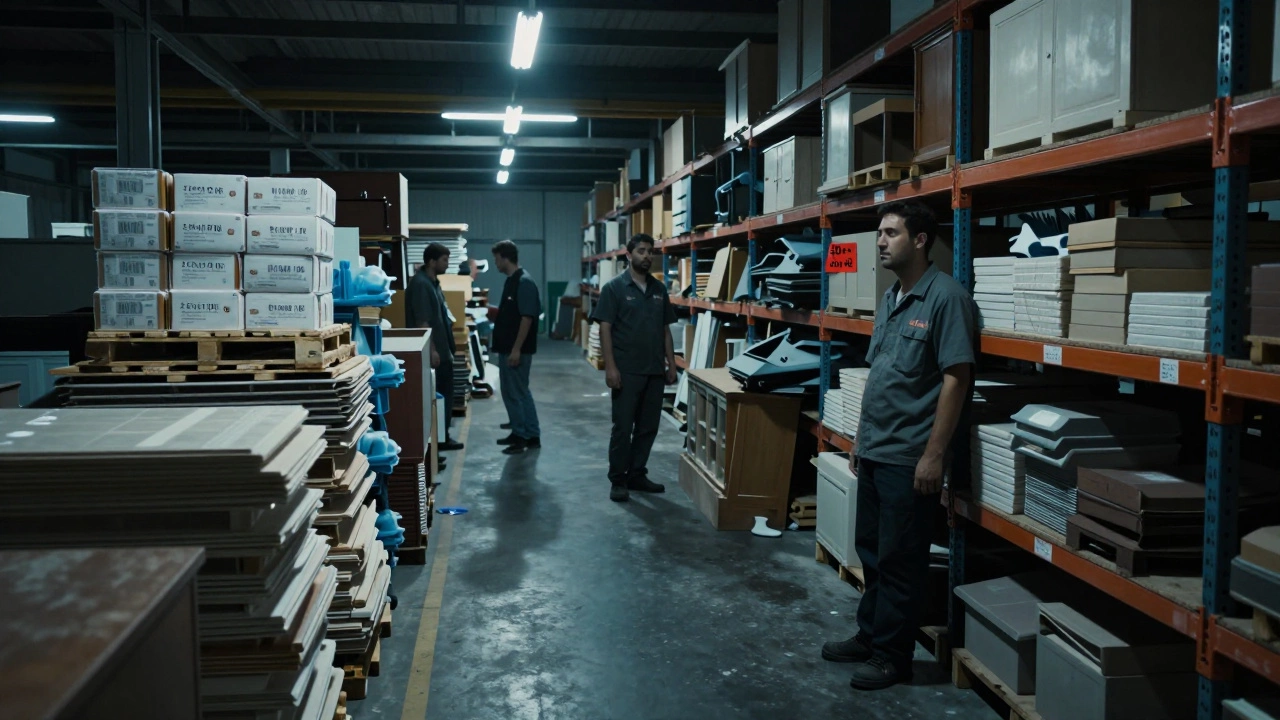

Manufacturing Overproduction Calculator
Input Your Data
Why This Matters
Overproduction creates hidden costs that drain your cash flow. For every unit produced beyond demand:
- It ties up cash in unsold inventory
- It requires storage space and handling
- It hides operational problems
- It increases risk of obsolescence and damage
Every factory in the world is chasing the same thing: more output, less cost. But most of them are secretly losing money on something they can’t even see. It’s not broken machines. It’s not bad workers. It’s not even high electricity bills. The biggest waste in manufacturing isn’t what you think - it’s overproduction.
Why Overproduction Is the Silent Killer
Think about this: what happens when you make more than you need? You don’t just save money - you spend it. You tie up cash in unsold stock. You need bigger warehouses. You pay for extra handling, lighting, security, and climate control. You risk damage, obsolescence, and scrap. And worst of all, you hide problems.
Overproduction is the root of nearly every other waste in manufacturing. When you build ahead of demand, you create inventory waste. When you build too fast, you create motion waste - workers running around chasing misplaced parts. When you build the wrong thing, you create defects. And when you build too much, you don’t notice when something breaks down because you’ve got a buffer of 300 units sitting in the back.
A 2023 study from the Lean Enterprise Institute tracked 142 mid-sized factories across Europe and North America. The ones that cut overproduction by just 20% saw a 31% drop in total waste within six months. Not because they bought new robots. Not because they hired consultants. They just started making what they needed, when they needed it.
How Overproduction Shows Up in Real Factories
You might think overproduction only happens in big plants. It doesn’t. It’s everywhere.
- A furniture maker in Manchester produces 500 dining tables a week - but only sells 320. The rest sit in a rented warehouse 15 miles away. They’ve got $180,000 locked up in unsold wood and varnish.
- A plastic parts supplier in Birmingham runs three shifts to meet a forecasted order that never came. Now they’re paying overtime to move parts nobody ordered.
- A pharmaceutical packaging line in Leeds runs 24/7 to hit a quarterly target. They end up discarding 12% of labels because they expired before being used.
These aren’t outliers. They’re normal. And here’s the kicker: most managers don’t even realize they’re doing it. They think they’re being proactive. They say, “Better to have too much than too little.” But in manufacturing, too much is always more expensive than too little.
The Myth of “Safety Stock”
“We need safety stock,” they say. “What if the supplier is late? What if demand spikes?”
That logic sounds smart. But it’s backwards. Safety stock doesn’t fix problems - it hides them. If your supplier is late, fix the supplier. If demand spikes, build flexibility into your process. Don’t pile up inventory like a buffer against your own poor planning.
A factory in Sheffield switched from monthly production runs to daily pull systems. They went from holding 45 days of inventory to 3 days. Their warehouse space dropped by 60%. Their defect rate fell because problems surfaced faster. And their cash flow improved enough to buy a new CNC machine - without taking on debt.
What Other Wastes Are Actually Caused by Overproduction
Overproduction doesn’t just stand alone. It creates other wastes like a chain reaction:
- Inventory waste: Storage, handling, insurance, spoilage. A single pallet of unused components can cost $300/year just in space and labor.
- Motion waste: Workers walking 2 miles a day to find parts buried under excess stock.
- Defects: When you produce in bulk, you don’t catch errors until it’s too late. A misaligned stamp on 10,000 parts? That’s $20,000 in scrap.
- Waiting: Machines idle because the next step is backed up with inventory that hasn’t been moved yet.
- Overprocessing: Adding features or finishes to products nobody asked for.
These aren’t separate problems. They’re symptoms. And overproduction is the disease.
How to Stop It - Without Buying New Equipment
You don’t need AI, robots, or fancy software to fix overproduction. You need three things:
- Start with demand. Look at actual customer orders, not forecasts. If you sold 120 units last month, don’t make 200 this month. Make 125 - with a 5% buffer for safety.
- Make smaller batches. Switch from weekly runs to daily. Or even hourly. Smaller batches mean less inventory, faster feedback, and fewer mistakes.
- Let the next step pull. Don’t push parts forward. Let the next machine or worker ask for what they need. This is called a “pull system.” Toyota used it in the 1950s. It still works today.
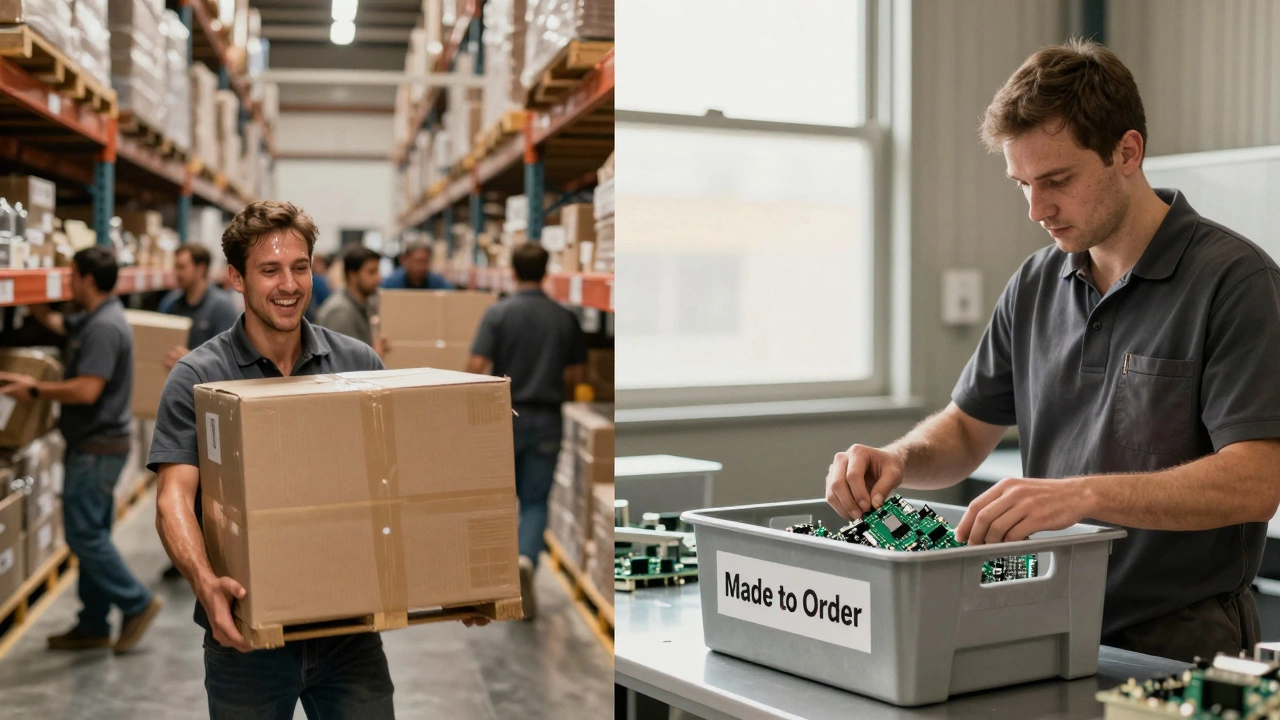
One small electronics shop in Manchester stopped making circuit boards in batches of 500. They started making them one at a time - only when a customer ordered. Their lead time dropped from 14 days to 2. Their scrap rate fell by 40%. And they now have 30% more profit.

What Happens When You Fix Overproduction
When you stop making too much, something unexpected happens: you start seeing the real problems.
Machine breakdowns become obvious. Supplier delays become urgent. Poor quality stands out. And suddenly, you’re not just reducing waste - you’re improving everything.
A food processing plant in Nottingham cut overproduction by 35%. Within three months:
- Inventory costs dropped by $210,000
- Storage space was freed up for new production lines
- Employee morale improved - they weren’t constantly moving useless stock
- Customer delivery accuracy jumped from 82% to 97%
None of this required a single new machine. Just a change in mindset.
The Real Cost of Doing Nothing
Every day you keep overproducing, you’re throwing money away. Not in big chunks. In small drips: extra labor, wasted energy, expired materials, lost space, missed opportunities.
Manufacturing is a game of margins. A 5% reduction in waste can mean the difference between profit and loss. And overproduction is the single biggest drain.
It’s not about working harder. It’s about working smarter. Stop making what you think you’ll need. Start making what you know you’ve sold.
Is overproduction really the biggest waste, or is it something else like defects or motion?
Overproduction is considered the biggest waste because it creates or worsens all other types of waste. While defects, motion, and waiting are costly on their own, they often stem from producing too much too soon. When you overproduce, you bury problems under inventory. Fix overproduction, and many other wastes disappear naturally.
Can small manufacturers afford to stop overproducing?
Yes - in fact, small manufacturers benefit the most. Big factories have the cash to absorb waste. Small ones don’t. Cutting overproduction frees up cash, space, and labor. One small metal fabricator in Manchester reduced inventory by 70% and used the freed-up floor space to double production capacity - without moving or leasing new space.
How do I know if I’m overproducing?
Ask yourself: Do you have inventory older than 30 days? Do you have parts sitting in storage that haven’t moved in months? Do you run full shifts even when orders are light? If yes, you’re overproducing. Track your daily sales vs. daily production. If production consistently exceeds sales, you’re making too much.
What’s the difference between overproduction and just-in-time manufacturing?
Overproduction means making ahead of demand. Just-in-time means making only what’s needed, when it’s needed. Just-in-time isn’t about speed - it’s about alignment. It’s not about having zero inventory. It’s about having only the inventory you’ve already sold or have a confirmed order for.
Does switching to lean manufacturing require expensive software?
No. Many factories start with simple whiteboards, sticky notes, and daily huddles. Tracking production vs. sales on paper for a week reveals overproduction faster than any software. Technology helps scale - but it doesn’t solve the mindset. The real change starts with asking: “Why are we making this?”