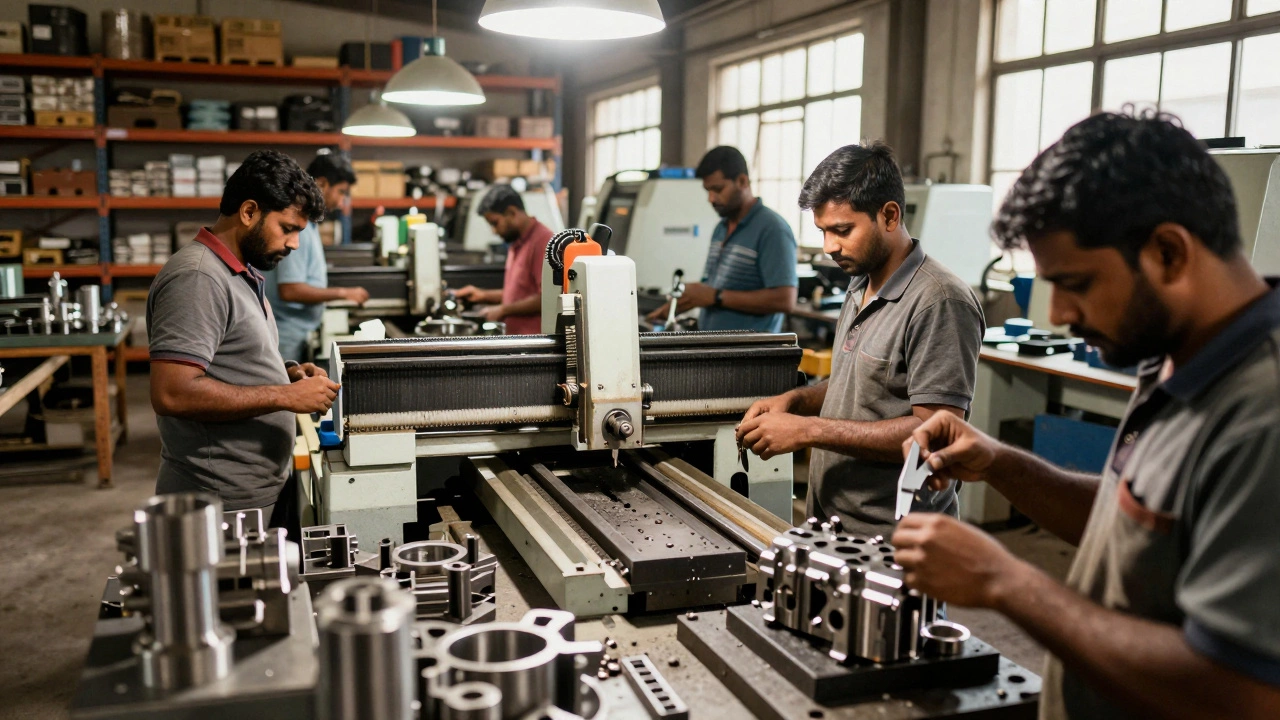

Walking into a factory floor doesn't always mean you're looking at a giant corporation. Sometimes, it’s a team of fifty people turning raw metal into precision parts for local construction firms. Other times, it’s a family-run unit packaging organic spices for regional supermarkets. These are the engines of the economy that don’t make headlines but keep supply chains moving. But when exactly does a business cross the line from a "startup" to a recognized small scale industry? The answer isn't just about gut feeling; it's defined by strict legal thresholds involving money and headcount.
In 2026, the definition has shifted significantly away from rigid employee counts toward financial metrics. Governments worldwide, particularly in emerging economies like India under its updated MSME (Micro, Small, and Medium Enterprises) framework, have standardized these definitions to help businesses access credit, government tenders, and tax benefits. Understanding where your business fits is not just bureaucratic homework-it determines your survival strategy.
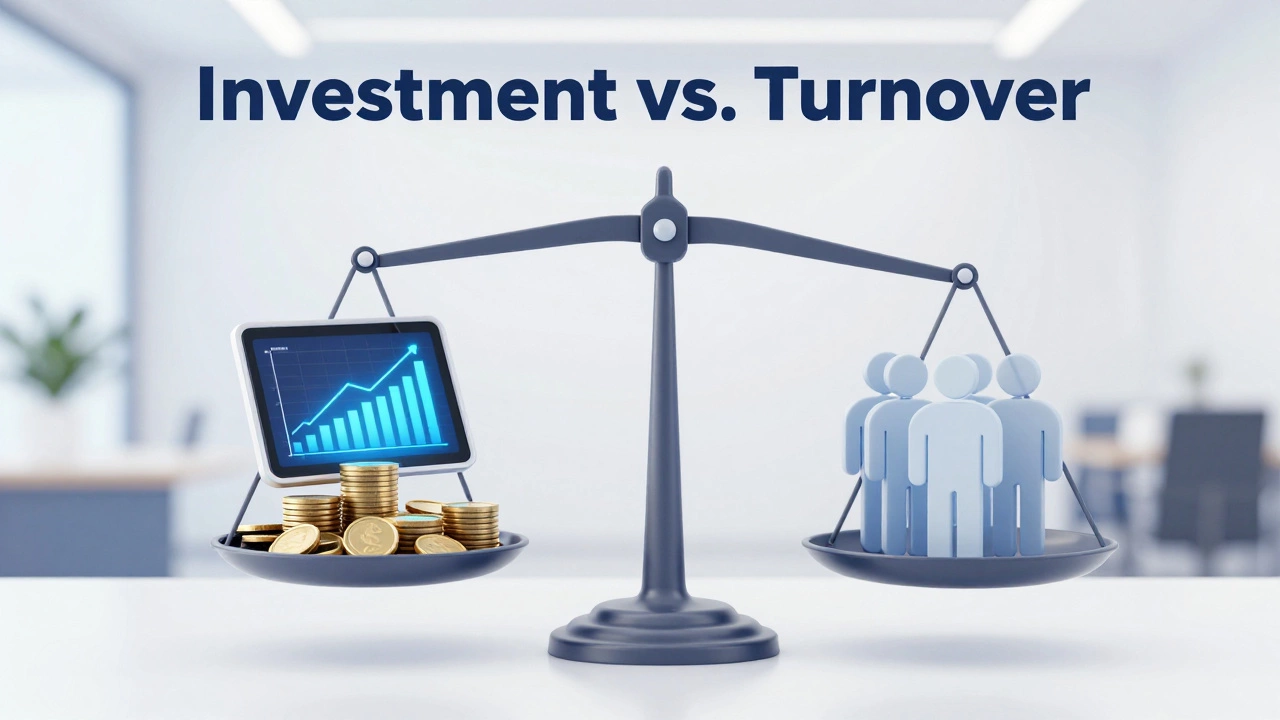
The Core Definition: Investment vs. Turnover
Gone are the days when you could simply count heads to classify your enterprise. Today, the primary criteria for defining a small scale industry revolve around two hard numbers: the value of plant and machinery (investment) and annual turnover. This shift acknowledges that modern technology allows fewer workers to generate massive revenue, making headcount a poor indicator of scale.
For a manufacturing entity to be classified as "Small," it must stay within specific financial ceilings. In many jurisdictions following the post-2020 reforms, the threshold looks like this:
- Investment Limit: The combined value of plant, machinery, equipment, and land/buildings used for production must not exceed a set cap (e.g., $1.5 million or equivalent local currency).
- Turnover Limit: The total annual revenue generated from sales and services must remain below a higher cap (e.g., $15 million).
If you exceed either limit, you automatically graduate to "Medium Enterprise." If you fall well below both, you might qualify as "Micro." This dual-criteria system ensures that a high-tech automated workshop with only five employees isn't wrongly categorized as micro just because of its staff size, nor is a labor-intensive garment factory with 200 workers incorrectly labeled as large if its revenue remains modest.
Manufacturing vs. Services: Different Rules Apply
It is crucial to distinguish between manufacturing units and service providers, as they often face different classification slabs. A Small Scale Manufacturing Unit is a business engaged in the physical transformation of raw materials into finished goods using machinery and labor. Because manufacturing requires heavy capital expenditure on assets like CNC machines, injection molding presses, or assembly lines, the investment limits for manufacturers are typically higher than those for service firms.
Consider a software development agency versus a furniture maker. The software firm might have low physical asset costs but high intellectual property value and revenue. The furniture maker needs saws, sanders, and warehouse space. To balance this, regulatory bodies often set separate caps. For instance, a manufacturing small scale industry might allow an investment of up to $1.5 million, whereas a service-oriented small business might be capped at $500,000 in assets. Always check your specific sector's guidelines, as mixing these up can lead to disqualification from grants or loans.
| Category | Max Investment (Plant/Machinery) | Max Annual Turnover | Employee Count (Guideline Only) |
|---|---|---|---|
| Micro Enterprise | < $300,000 | < $3 Million | Usually < 10 |
| Small Enterprise | $300k - $1.5 Million | $3M - $15 Million | 10 - 75 |
| Medium Enterprise | $1.5M - $7.5 Million | $15M - $75 Million | 75 - 300 |
Note that employee counts are no longer the defining factor in most modern frameworks, but they still serve as a practical guideline for operational complexity. If your turnover spikes due to one big contract but your workforce remains tiny, you are still judged by the money, not the people.
Why Classification Matters: The Hidden Benefits
You might wonder why you should care about being officially labeled "small." The truth is, this tag unlocks doors that are locked for larger corporations. Being classified as a small scale industry provides immediate access to preferential treatment in government procurement. Many public sector projects mandate that a certain percentage of contracts go to small enterprises to ensure economic diversity.
Beyond contracts, there are significant financial advantages:
- Easier Credit Access: Banks often have dedicated lending windows for small industries with lower collateral requirements and subsidized interest rates.
- Tax Holidays: New small manufacturing units frequently enjoy tax exemptions for their first three to five years of operation.
- Subsidies on Machinery: Government schemes often offer capital subsidies ranging from 15% to 25% on the purchase of new industrial equipment.
- Delayed Payment Protection: Laws in many countries now enforce strict timelines for buyers to pay small suppliers, preventing large corporates from exploiting smaller vendors.
However, these benefits come with responsibility. You must maintain accurate records of your investment and turnover. Misclassification-whether intentional to grab benefits or accidental due to growth-can lead to penalties, clawbacks of subsidies, or legal scrutiny.
Sectors Dominating Small Scale Manufacturing
Not all industries play by the same rules, but some sectors are naturally suited to the small scale model. These industries benefit from localized production, lower logistics costs, and niche customization.
Textile Manufacturing is the process of producing fabrics and garments, often dominated by small units specializing in weaving, knitting, or embroidery. A small textile unit might focus solely on high-quality cotton bed sheets, serving regional retailers without competing with global fast-fashion giants. Similarly, Food Processing is an industry segment involving the preservation, packaging, and preparation of food products for consumption. Small-scale food processors thrive by leveraging local ingredients, creating artisanal brands that command premium prices.
Other common sectors include:
- Furniture Manufacturing: Custom woodwork and modular furniture require skilled labor more than massive automation.
- Plastic Manufacturing: Injection molding for specialized components like automotive clips or medical device housings.
- Electronics Assembly: PCB assembly for niche industrial controllers rather than consumer smartphones.
- Pharmaceutical Packaging: Blister packing and labeling for larger drug manufacturers.
These sectors share a common trait: they allow for agility. A small scale industry can pivot its product line faster than a conglomerate stuck with billion-dollar legacy systems.
Common Pitfalls: Growing Out of Your Category
The biggest risk for a small scale industry is success. As your business grows, your turnover and asset base will increase. One day, you might realize you've crossed the threshold into "Medium" or even "Large" territory. This isn't a failure; it's growth. However, failing to update your registration status can cause serious issues.
If you continue to claim small-enterprise benefits while operating as a medium enterprise, you may face audits and fines. Conversely, if you don't re-register as a larger entity, you lose access to broader markets and institutional investors who prefer dealing with established, larger-cap companies. Regularly audit your financials against the current year's thresholds. Keep a buffer zone in your planning-if you're close to the limit, consult a chartered accountant to structure your next phase of expansion strategically.
How to Register and Maintain Status
Registration is usually self-declaration based on your latest financial statements. In many regions, you register online through a dedicated portal for MSMEs or equivalent business registries. You’ll need to provide details about your GST (Goods and Services Tax) number, bank accounts, and nature of activity.
To maintain your status:
- Separate Accounts: Keep personal finances completely separate from business accounts to accurately track turnover.
- Asset Depreciation: Remember that the "investment" criterion is based on the original cost of assets, not their depreciated book value. Buying a new machine adds to your total investment ceiling usage.
- Annual Updates: Even if nothing changes, update your registration annually to confirm your compliance with the current thresholds.
Documentation is your shield. Keep invoices for all machinery purchases and detailed sales ledgers. If an auditor questions your classification, clear, organized records will prove your legitimacy instantly.
Future Trends: Automation and the Small Scale Model
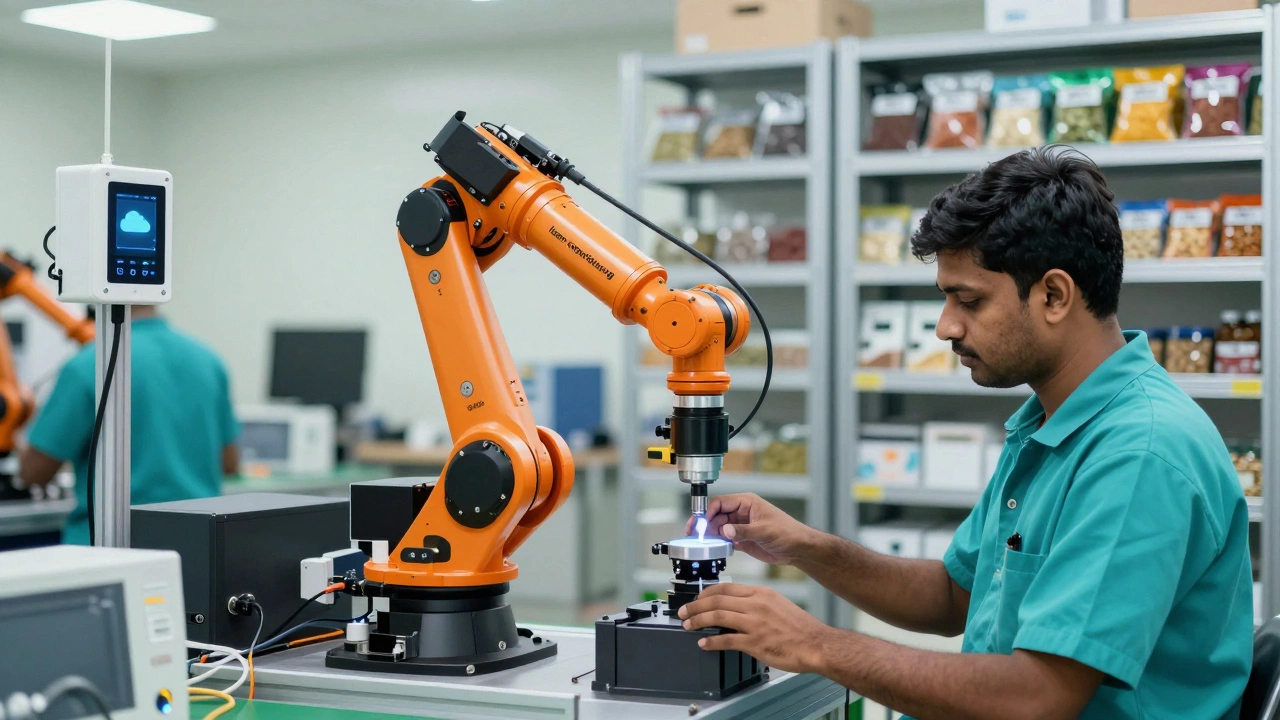
By 2026, the line between small and large is blurring due to technology. Cloud-based ERP systems, affordable robotics, and AI-driven inventory management allow a team of ten people to operate with the efficiency of a hundred. This means more businesses are staying "small" in headcount but achieving "medium" or "large" turnovers.
This trend reinforces why governments moved away from employee-counting. It also presents an opportunity for entrepreneurs. You no longer need a sprawling factory floor to compete. With lean manufacturing principles and smart tech, a small scale industry can achieve high margins and scalability without the overhead of a massive workforce. The key is leveraging tools that amplify productivity per dollar invested, keeping you firmly within the beneficial small-scale brackets while maximizing output.
Is a home-based business considered a small scale industry?
Yes, provided it meets the registration and turnover criteria. Many small scale industries start from home workshops, especially in crafts, food processing, or electronics repair. However, you must register the business formally and comply with local zoning laws regarding commercial activities in residential areas.
What happens if I accidentally exceed the small scale limits?
You automatically transition to the next category (e.g., from Small to Medium). You must update your registration immediately. There are usually no penalties for growing out of the category, but continuing to claim small-specific benefits after crossing the threshold can lead to legal consequences and repayment demands.
Does the investment limit include land and building costs?
In many updated frameworks, yes. The definition of "plant and machinery" often extends to the land and buildings used for the purpose of the business. However, leased properties are typically excluded from the investment calculation since you don't own the asset. Always verify the specific wording in your local regulations.
Can a partnership firm be registered as a small scale industry?
Absolutely. Sole proprietorships, partnerships, private limited companies, and LLPs can all register as small scale industries. The classification depends on the financial metrics of the entity, not its legal structure.
Are there specific benefits for women-owned small scale industries?
Yes, many governments offer enhanced benefits for women-led enterprises. This can include higher investment and turnover thresholds (allowing them to grow larger before reclassifying), additional subsidies, and priority in government tender allocations. Check for specific "Women Entrepreneurship" schemes in your region.