
Manufacturing Health Score Calculator
Rate your current status for each pillar (1 = Needs Improvement, 10 = World Class).
P1 People
P2 Process
P3 Product
Your Manufacturing Score
Ready to Analyze
Adjust the sliders to evaluate how well your People, Process, and Product are aligned.
Immediate Action Plan:
Walk into any factory floor, from a small workshop in Manchester to a massive automotive plant in Detroit, and you will see chaos if you look closely enough. Machines hum, workers rush, materials move. But why do some factories run like clockwork while others drown in delays and waste? The answer usually comes down to three simple letters: P, P, and P.
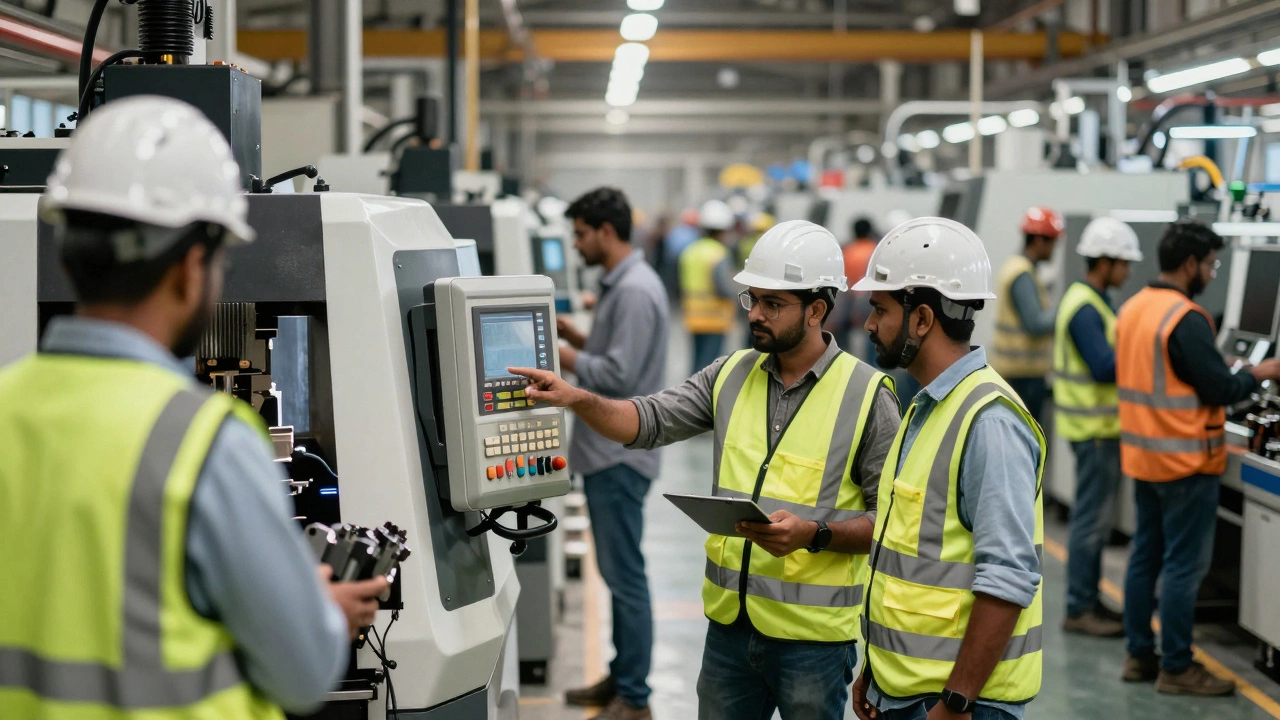
When people ask about the 3 P's of manufacturing, they are looking for the foundational pillars that keep production stable. These aren't just buzzwords thrown around by consultants; they are the practical elements that determine whether a business survives or fails. We are talking about People, the workforce that operates machinery and solves problems on the floor, Process, the standardized methods and workflows that ensure consistency, and Product, the final good being created, including its design and quality specifications.
If one of these legs breaks, the whole stool falls over. You can have the best product in the world, but if your process is messy and your people are unmotivated, you will never ship it on time. Let’s break down each P to see how they interact and what you need to do to get them right.
The First P: People - The Heart of Production
It is easy to forget this because we live in an age of automation and robotics. You might think machines do all the work now. But machines don’t fix themselves when they break. They don’t notice a slight change in sound that indicates a bearing is failing. And they certainly don’t innovate new ways to save five seconds per cycle.
People are the variable that makes or breaks manufacturing. This isn't just about having enough bodies on the shift. It is about skill, engagement, and safety. A skilled operator can run a CNC machine with 98% efficiency, while an untrained one might drop that number to 70%. That 28% difference is pure profit lost.
- Skill Development: Cross-training employees so they can handle multiple stations prevents bottlenecks when someone calls in sick.
- Safety Culture: Accidents stop production instantly. Investing in safety gear and training reduces downtime and legal risks.
- Feedback Loops: The person tightening the bolt knows more about the bolt than the manager sitting in the office. Listen to them.
In modern manufacturing, "people" also includes leadership. If managers create a culture of blame rather than problem-solving, workers hide mistakes. Hidden mistakes become defective products shipped to customers. That is how brands die.
The Second P: Process - The Skeleton of Efficiency
Processes are the rules of the game. Without them, every worker does things their own way. One day you get a perfect widget; the next day, it doesn’t fit. Consistency is the holy grail of manufacturing, and processes deliver it.
This is where methodologies like Lean Manufacturing and Six Sigma come into play. These aren't abstract theories; they are toolkits for stripping away waste. Think about the last time you waited for a part that was stuck in quality control because no one defined who had the authority to approve it. That delay is a process failure.
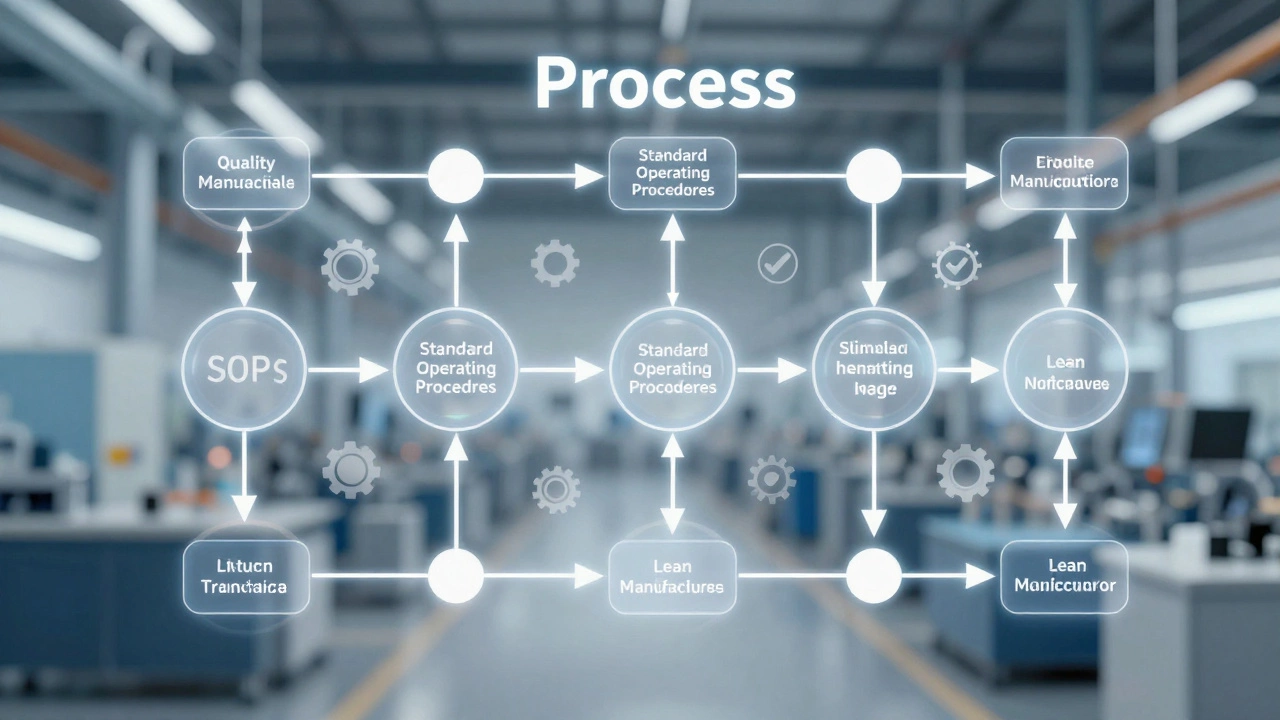
A robust process includes clear Standard Operating Procedures (SOPs). An SOP should be so clear that a new hire could follow it without guessing. It should cover:
- Step-by-step instructions for assembly or operation.
- Quality checkpoints at specific intervals.
- Troubleshooting steps for common errors.
- Safety warnings relevant to that specific task.
But here is the catch: processes must evolve. If you wrote your SOP in 2015 and haven’t updated it since, you are likely wasting time. Regular audits help identify where the process drifts from reality. If workers are bypassing a step because it is unnecessary, change the process, don’t just punish the worker.
The Third P: Product - The Reason You Exist
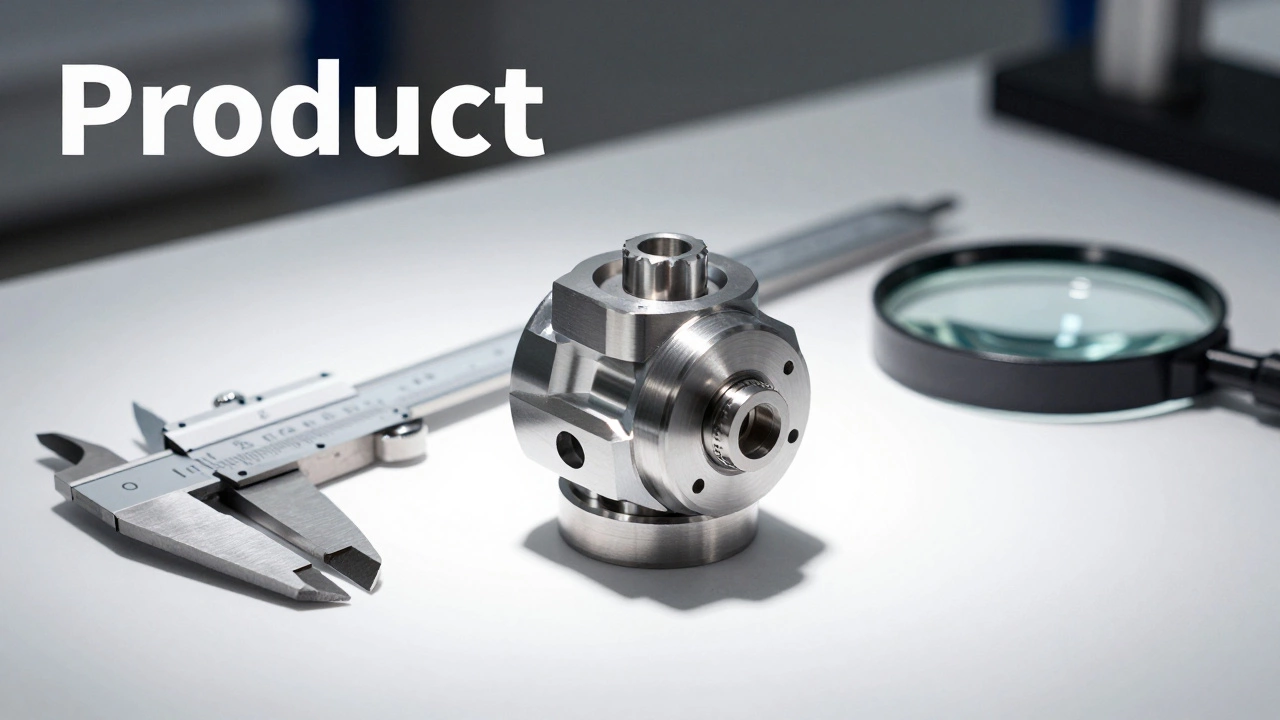
Why are you manufacturing anything in the first place? To sell a product. The third P is not just the physical item; it is the design, the quality standards, and the market fit. You can have amazing people and flawless processes, but if the product is obsolete or poorly designed, you are efficiently producing junk.
Product design directly impacts manufacturability. This concept, known as Design for Manufacturing (DFM), means engineers should talk to production teams before the prototype is finished. If an engineer designs a part that requires three impossible-to-reach screws, the assembly line will slow down. Every complex feature adds cost and potential failure points.
Quality is non-negotiable. In today’s connected world, a single bad batch can trend on social media overnight. Your product must meet strict tolerances. This requires tight feedback loops between the quality assurance team and the production floor. Defects caught early cost pennies to fix. Defects caught by the customer cost thousands in returns, refunds, and reputation damage.
How the 3 P's Interact: The Golden Triangle
You cannot optimize one P in isolation. They are deeply interconnected. Here is how they affect each other:
| Element | Impact on Others | Risk if Neglected |
|---|---|---|
| People | Execute processes and build products | High turnover, inconsistent quality, safety incidents |
| Process | Guides people and defines product specs | Bottlenecks, waste, variability in output |
| Product | Determines process complexity and skill needs | Market rejection, high rework costs, low margins |
For example, if you launch a new product with tighter tolerances (Product), your existing workers (People) may struggle unless you update the training and inspection steps (Process). If you skip the process update, defect rates will spike. If you ignore the people factor, morale will drop as workers feel set up to fail.
Common Mistakes Manufacturers Make
I have seen many businesses fall into the same traps. Recognizing them early can save you months of headache.
Over-automating too soon: Companies often buy expensive robots to solve a process problem. But if the underlying process is flawed, the robot will just make mistakes faster. Fix the process manually first, then automate.
Ignoring the "Why": Workers often follow steps without understanding why they matter. When something goes wrong, they freeze. Explain the purpose behind each step. Engaged brains solve problems; disengaged ones just wait for instructions.
Siloed departments: Engineering, production, and sales often operate in bubbles. Sales promises delivery dates that production can’t meet. Engineering designs parts that procurement can’t source cheaply. Break down these silos. Regular cross-functional meetings are essential.
Applying the 3 P's to Small Scale Manufacturing
You don’t need a billion-dollar budget to apply these principles. Whether you are running a small textile unit or a custom furniture shop, the logic holds.
For small manufacturers, flexibility is key. Your "process" might be less rigid than a car factory, but it still needs structure. Document your best practices. Train your core team thoroughly. Focus on products that have high margin and repeatable demand. Avoid custom jobs that require constant retooling unless you charge a premium for it.
Government schemes often support small manufacturers in upgrading technology or training staff. Look for grants related to skill development or energy efficiency. These investments strengthen your "People" and "Process" pillars without draining your cash flow.
Measuring Success: Key Metrics for Each P
You can’t manage what you don’t measure. Here are simple metrics to track for each pillar:
- People: Employee turnover rate, safety incident frequency, hours of training per employee.
- Process: Overall Equipment Effectiveness (OEE), cycle time, scrap rate, on-time delivery percentage.
- Product: Customer return rate, first-pass yield, defect cost per unit.
Review these metrics weekly. Don’t just look at the numbers; dig into the stories behind them. Why did OEE drop on Tuesday? Was it a machine breakdown (Process), a lack of trained operators (People), or a material flaw (Product)?
Future Trends: How the 3 P's Are Evolving
Manufacturing is changing fast. Industry 4.0 brings IoT sensors, AI, and data analytics to the floor. This changes the role of each P.
People are shifting from manual laborers to data interpreters and machine supervisors. They need digital literacy alongside mechanical skills.
Process is becoming dynamic. Instead of static SOPs, real-time data adjusts parameters automatically. If a sensor detects heat buildup, the system slows the machine down before it breaks.
Product design is increasingly driven by customer data. Mass customization allows factories to produce unique items at scale, blurring the line between standard and bespoke.
Even with these high-tech advances, the core truth remains: you need skilled people, smart processes, and great products. Technology amplifies these elements; it does not replace them.
What are the 3 P's of manufacturing?
The 3 P's of manufacturing are People, Process, and Product. People refer to the workforce and their skills. Process refers to the standardized methods and workflows used to create goods. Product refers to the final item, including its design, quality, and market fit. These three elements must work together for a manufacturing operation to be efficient and profitable.
Why is 'People' considered the most important P?
While all three are critical, People are often seen as the most important because they execute the processes and build the products. Machines can break, and processes can be outdated, but skilled, engaged employees can troubleshoot issues, improve workflows, and maintain quality. Without motivated people, even the best technology and plans will fail.
How do I improve my manufacturing process?
Start by mapping your current workflow and identifying bottlenecks or areas of waste. Implement Standard Operating Procedures (SOPs) to ensure consistency. Use Lean Manufacturing principles to eliminate non-value-added steps. Involve your workers in the improvement process, as they know the daily challenges best. Finally, measure key metrics like cycle time and scrap rate to track progress.
Can small manufacturers use the 3 P framework?
Absolutely. The 3 P's apply to businesses of all sizes. For small manufacturers, focus on cross-training your limited staff (People), documenting your best practices even if informally (Process), and ensuring your product meets customer expectations consistently (Product). Simplicity and clarity are more important than complex systems.
What is the relationship between Product design and Process?
Product design dictates the complexity of the manufacturing process. A well-designed product (using Design for Manufacturing principles) is easier to assemble, requires fewer tools, and has fewer defects. Poor design leads to complicated processes, higher labor costs, and increased waste. Engineers and production teams should collaborate early in the design phase to align these two P's.