
Plastic Pollution Impact Explorer
Click on a company below to view detailed information about their role in global plastic production and pollution.
Select a Company
Choose one of the top manufacturers from the list to see their specific contribution to plastic pollution.
Why They Matter
You might think the biggest source of plastic pollution is that single-use bottle you toss in the bin. But here’s the uncomfortable truth: the real heavy hitters are massive industrial giants. When we ask who pollutes the most, we aren't just looking at litter; we're looking at production volume and polymer output. The answer isn't a single villain but a handful of petrochemical titans whose names likely appear on your receipt for everything from car parts to food packaging.
Recent data points to a clear leader. While many companies contribute to the crisis, one name consistently tops the list in terms of raw plastic production and subsequent leakage into the environment. Understanding this hierarchy matters because it shifts the blame from consumer behavior to industrial policy. If you’re trying to grasp the scale of the issue, you need to look at who makes the stuff, not just who throws it away.
The Uncomfortable Leader: ExxonMobil
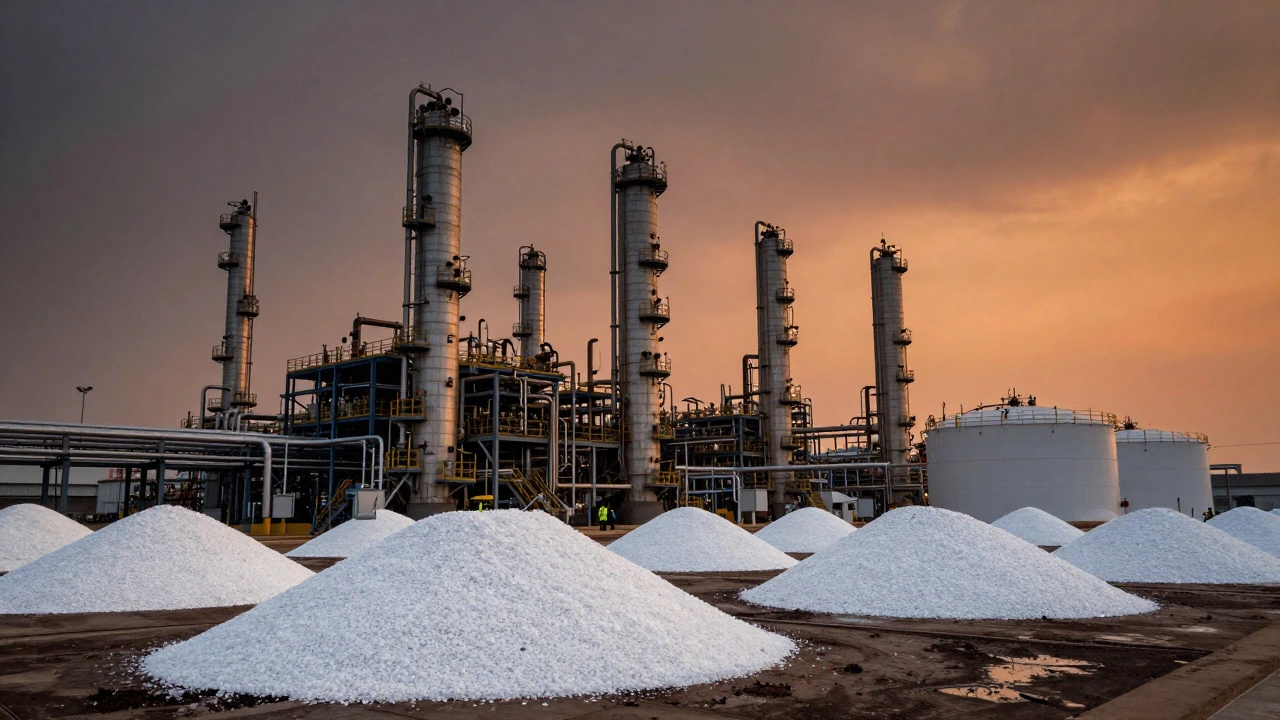
If you had to pick one company to point the finger at, ExxonMobil is the largest producer of single-use plastics globally. It’s an American multinational oil and gas corporation, but its footprint extends far beyond fuel. In recent years, they have been identified as the top contributor to global plastic waste. Why? Because they produce more virgin plastic resin than any other entity on the planet.
It’s not just about quantity; it’s about trajectory. Despite public commitments to sustainability, ExxonMobil has continued to expand its plastic production capacity aggressively. They argue that plastics are essential for modern life-lighter cars save fuel, sterile packaging saves lives. That’s fair. But when you calculate the lifecycle impact, their contribution to oceanic microplastics and landfill overflow is staggering. They don’t just make bottles; they make the polymers that become everything else.
The Chemical Giants Behind the Crisis
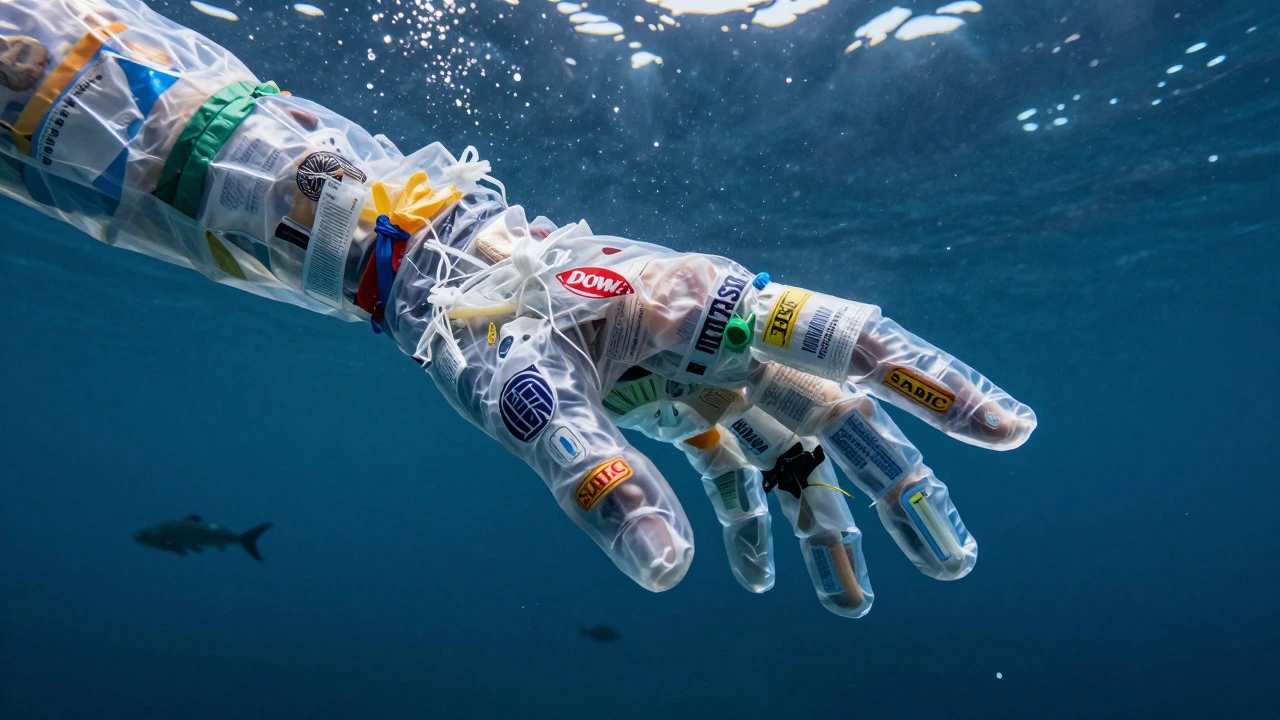
While ExxonMobil takes the crown for sheer volume, they aren’t alone. The landscape of Dow Inc. is a major chemical company specializing in materials science and plastic manufacturing. Based in Midland, Michigan, Dow produces a vast array of polyethylene and polypropylene products. These are the workhorses of the plastic world, found in grocery bags, agricultural films, and medical devices.
Then there’s SABIC, which is a Saudi Arabian global innovative chemicals, industrial, and agri-food enterprise. As one of the largest producers of thermoplastics, SABIC plays a critical role in the supply chain. Their reach is global, with facilities spanning from Europe to Asia. They often position themselves as innovators in circular economy solutions, investing in chemical recycling technologies. Yet, like their peers, their primary revenue stream remains tied to producing new, virgin plastic.
These companies form what environmentalists call the "Big Oil" plastics sector. They control the feedstock-natural gas and naphtha-and turn it into pellets that flow down the supply chain. If you buy a plastic toy, a water pipe, or a phone case, the raw material likely originated from one of these three entities.
| Company Name | Primary Role | Key Products | Pollution Rank |
|---|---|---|---|
| ExxonMobil | Oil & Gas / Petrochemicals | Virgin Resin, Polyethylene | #1 (Highest) |
| Dow Inc. | Materials Science | Polyurethanes, Plastics | #2 |
| SABIC | Chemicals / Industrial | Thermoplastics, Polymers | #3 |
| PetroChina | State-owned Energy | Ethylene, Propylene | #4 |
| LyondellBasell | Refining & Chemicals | Polyolefins, Performance Plastics | #5 |
Why Production Volume Equals Pollution
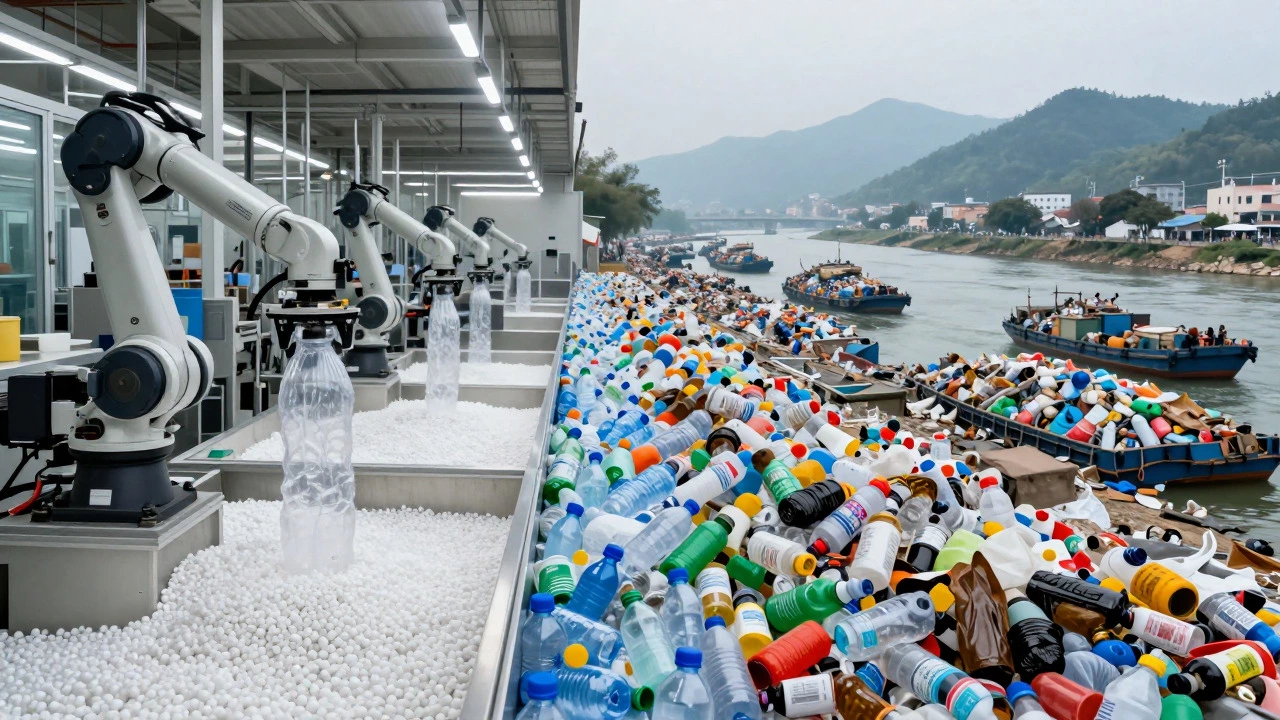
You might wonder why we focus so much on manufacturers rather than consumers. It comes down to physics and economics. Once plastic is made, its fate is largely out of the manufacturer's hands unless they design for end-of-life. Currently, less than 10% of all plastic ever produced has been recycled. That means over 90% becomes waste.
When LyondellBasell is a leading global producer of olefins, polyolefins, and fuels, they create millions of tons of material annually. This material doesn't disappear. It fragments into microplastics, enters the food chain, and persists for centuries. The problem isn't just that these companies make plastic; it's that they make it faster than our infrastructure can handle disposal.
Consider the concept of "leakage." Not all plastic ends up in a controlled landfill. A significant portion leaks into rivers and oceans due to poor waste management in developing nations where much of this plastic is consumed. However, the root cause is the overproduction of cheap, durable, single-use materials. If manufacturers slowed down production or shifted to biodegradable alternatives, the leakage rate would drop dramatically.
The Rise of Asian Manufacturing Hubs
We can’t ignore the geographic shift in plastic production. While Western companies like ExxonMobil and Dow dominate headlines, PetroChina is a Chinese state-owned national oil and gas company and one of the largest plastic producers in Asia. China is both the world’s largest producer and consumer of plastics. The sheer speed of industrialization there has led to massive accumulation of waste.
This isn't just about export goods. Domestic consumption in China, India, and Southeast Asia has exploded. Local manufacturers often lack the advanced filtration and waste processing systems found in Europe or North America. Consequently, the environmental damage per ton of plastic produced can be higher in these regions, even if the total volume is comparable to Western firms. This complicates the narrative of "who pollutes most"-is it the maker or the disposer? Usually, it’s a toxic partnership between both.
What About Consumer Brands?
Let’s address the elephant in the room: Coca-Cola, Nestlé, and Unilever. You often see them named in beach cleanups. Are they the polluters? Technically, no. They are users. They buy plastic from companies like Dow and SABIC. However, their demand drives production. If Coca-Cola switched entirely to aluminum or glass, the market for PET plastic would shrink, forcing manufacturers to adapt.
But blaming brands alone misses the structural issue. These brands rely on cheap, lightweight packaging to maximize profit margins. Until regulations force changes in material sourcing, the cycle continues. The manufacturers provide the cheap option; the brands use it; the consumer discards it; the environment pays the price.
Taking Action Beyond Blame
So, what do you do with this information? Knowing that ExxonMobil leads the pack doesn't mean you stop buying plastic. It means you understand where the pressure needs to go. Advocacy should target upstream policies-taxing virgin plastic production, mandating recycled content, and supporting extended producer responsibility laws.
For individuals, reducing reliance on single-use items helps, but systemic change is key. Support companies that invest in genuine circularity, not just greenwashing. Look for certifications that verify recycled content. And remember, every piece of plastic you refuse sends a tiny signal to the market, but collective regulatory pressure moves mountains.
Which company produces the most plastic globally?
According to multiple environmental reports, including those by Break Free From Plastic, ExxonMobil is consistently ranked as the top global producer of single-use plastics. They produce more virgin plastic resin than any other company, making them the largest contributor to plastic pollution at the source.
Are oil companies responsible for plastic pollution?
Yes, significantly. Major oil and gas companies like ExxonMobil, Shell, and Chevron are also major plastic manufacturers. They use natural gas and oil derivatives as feedstock to create polymers. As demand for fuel declines due to electric vehicles, these companies are increasingly pivoting toward plastics to maintain profits, thereby increasing plastic production volumes.
Does recycling solve the problem caused by big manufacturers?
Recycling alone does not solve the problem. Less than 10% of all plastic ever made has been recycled. Manufacturers continue to produce virgin plastic because it is cheaper than recycled resin. Without reducing overall production and improving collection infrastructure, recycling cannot keep pace with the volume generated by companies like Dow and SABIC.
Is China the biggest polluter of plastic?
China is the largest producer and consumer of plastics, contributing significantly to global waste streams. State-owned enterprises like PetroChina are among the top producers. However, much of the plastic waste attributed to Asia originates from exports of waste from Western countries, though domestic consumption in Asia is now the primary driver of new pollution.
What is the difference between plastic manufacturers and consumer brands?
Plastic manufacturers (like ExxonMobil, Dow) produce the raw resin and pellets. Consumer brands (like Coca-Cola, Nike) buy these materials to create final products. Manufacturers are responsible for the creation of the material, while brands are responsible for product design and end-of-life management. Both play crucial roles in the pollution cycle.