
Global Plastic Demand Explorer
How is Global Plastic Demand Distributed?
Click on a sector below to see the primary plastics used and the top companies driving that demand.
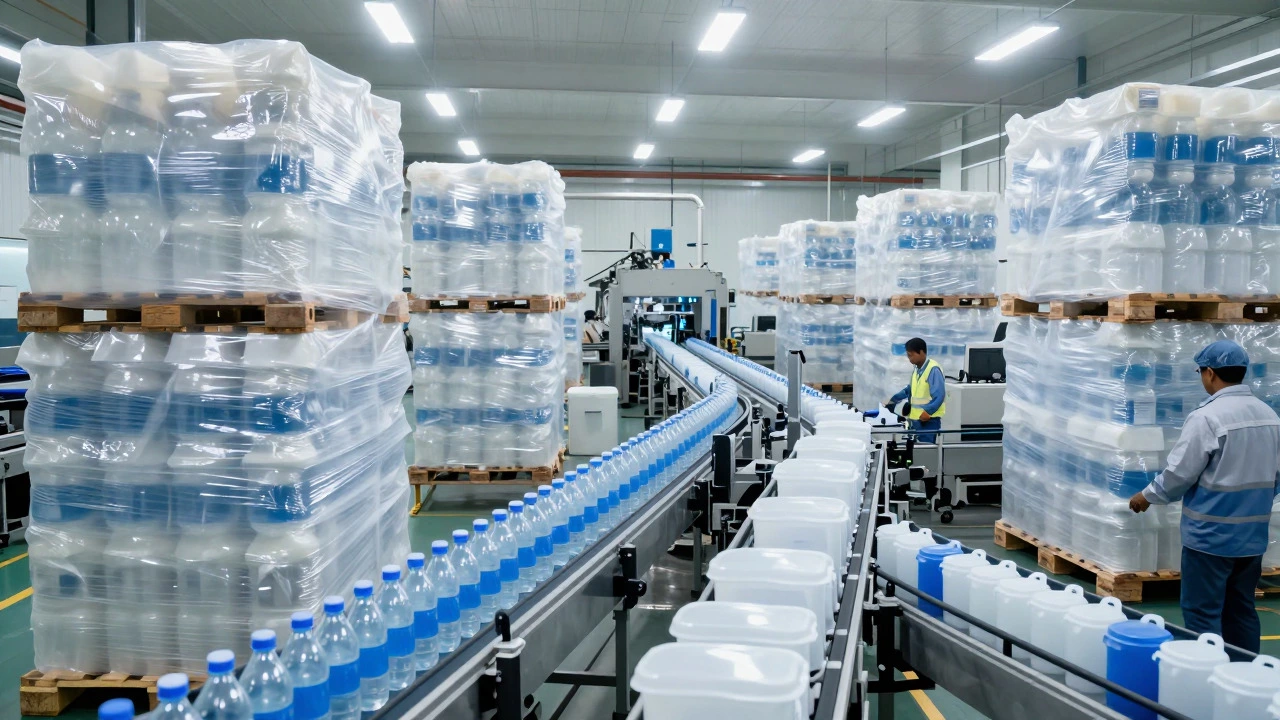
Walk into any supermarket in Manchester or New York, and you’ll notice one thing: almost everything is wrapped in plastic. But who actually buys all this stuff? It’s not just the consumer grabbing a bag of chips. The real heavy hitters are industrial giants. Packaging is the single largest sector consuming plastic globally, accounting for roughly 40% of total production. If you want to understand where plastic goes, you have to look at the companies that buy it by the ton, not the person buying a bottle of water.
The answer isn't one single company. It's a network of massive corporations across food, automotive, construction, and electronics. Let’s break down exactly who these buyers are and why they need so much material.
The Packaging Powerhouses
If we’re talking about volume, the food and beverage industry is the undisputed king. Why? Because shelf life matters. A banana rots in days; a potato chip bag stays fresh for months thanks to barrier films. Companies like Nestlé and Coca-Cola purchase millions of tons of polyethylene (PE) and polypropylene (PP) annually. For them, plastic isn’t just a container; it’s a logistics tool that prevents waste and keeps products moving from factory to fridge efficiently.
But it’s not just food. Think about e-commerce. Since the boom in online shopping, courier services and retail giants like Amazon and Walmart have become massive buyers of protective packaging. Bubble wrap, void fill, and corrugated boxes lined with plastic film are now standard. This shift has created a new tier of plastic buyers who didn’t exist twenty years ago. They aren’t making the product; they’re just keeping it safe during transit.
Automotive and Construction: The Hidden Giants
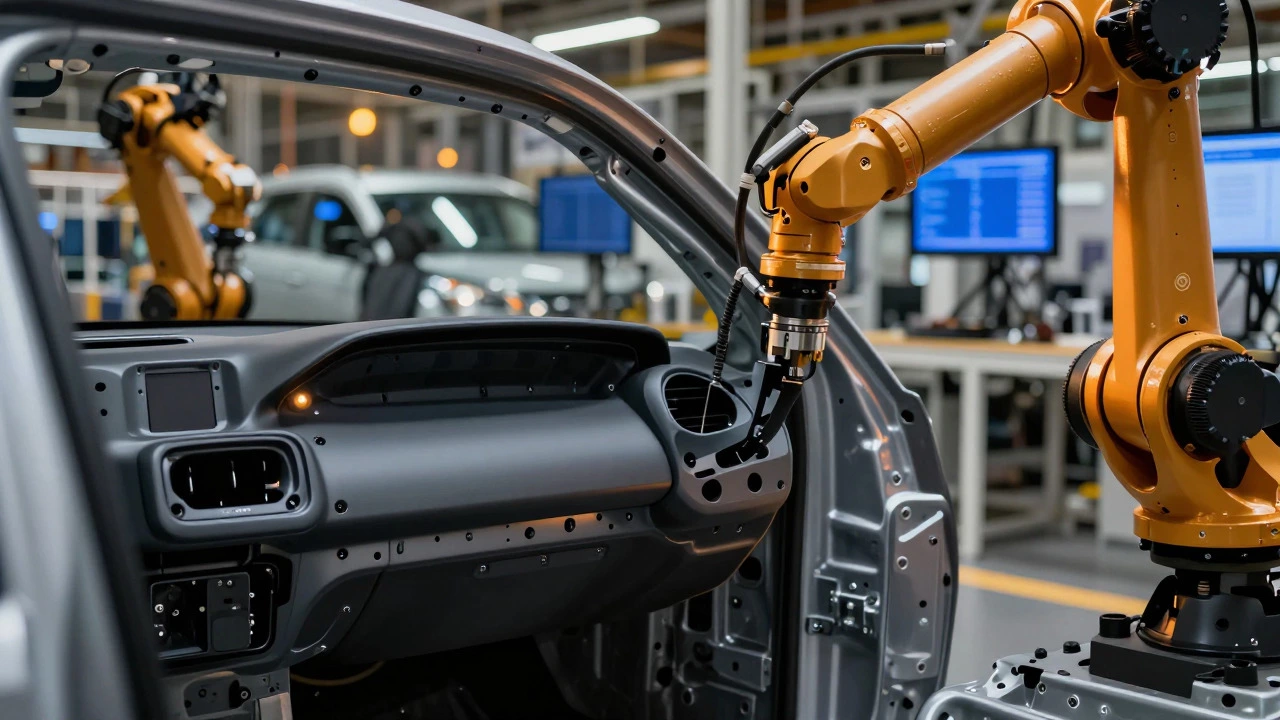
You might think cars are made of steel, but modern vehicles are surprisingly light. That’s because manufacturers use plastic to reduce weight and improve fuel efficiency. Toyota and Volkswagen buy huge quantities of acrylonitrile butadiene styrene (ABS) and polyamide (nylon) for dashboards, bumpers, and engine covers. One car can contain over 100 kilograms of plastic. When you multiply that by millions of units produced yearly, the demand becomes staggering.
Construction is another silent giant. Pipes, insulation, window frames, and flooring all rely on PVC (polyvinyl chloride) and HDPE (high-density polyethylene). Infrastructure projects in developing nations, particularly in Asia and Africa, drive enormous demand here. A single highway project might require thousands of kilometers of drainage pipes. These materials don’t end up in landfills quickly; they last decades, locking in the plastic supply chain for long-term stability.
Electronics and Medical Devices
Your smartphone is mostly plastic. The casing, the internal connectors, the battery housing-most of it is polycarbonate or ABS. Tech giants like Apple and Samsung are consistent, high-volume buyers. They prioritize precision and durability, often specifying custom grades of plastic that resist heat and impact.
In healthcare, sterility is non-negotiable. Single-use syringes, IV bags, and surgical masks are made from medical-grade plastics. The pandemic accelerated this demand significantly. Hospitals buy these items in bulk, and because many are disposable, the turnover rate is incredibly fast. This makes the medical sector a reliable, recurring buyer for plastic manufacturers.
Who Buys the Most by Region?
Geography plays a huge role. China remains the world’s largest consumer of plastic, driven by its massive manufacturing base and population. However, India and Southeast Asian countries are catching up fast as their middle classes grow and urbanization spreads. In Europe, regulations push buyers toward recycled content, changing *what* they buy rather than *how much*. In North America, convenience drives consumption, especially in single-use applications.
| Sector | Primary Plastics Used | Key Buyers | Approximate Share of Global Demand |
|---|---|---|---|
| Packaging & Food | PE, PP, PET | Nestlé, Coca-Cola, Unilever | ~40% |
| Construction | PVC, HDPE | Local infrastructure firms, builders | ~18% |
| Automotive | ABS, PA, PC | Toyota, VW, GM | ~15% |
| Electronics | PC, ABS | Apple, Samsung, Dell | ~10% |
| Agriculture | LDPE, PE | Farm cooperatives, agribusinesses | ~8% |
Why Do These Companies Buy So Much?
It comes down to three factors: cost, performance, and scalability. Plastic is cheap to produce compared to glass, metal, or wood. It’s lightweight, which cuts shipping costs. And it’s versatile-you can mold it into almost any shape. For a multinational corporation, switching to an alternative material often means redesigning entire supply chains. That’s risky. So, they stick with what works, even as sustainability pressures mount.
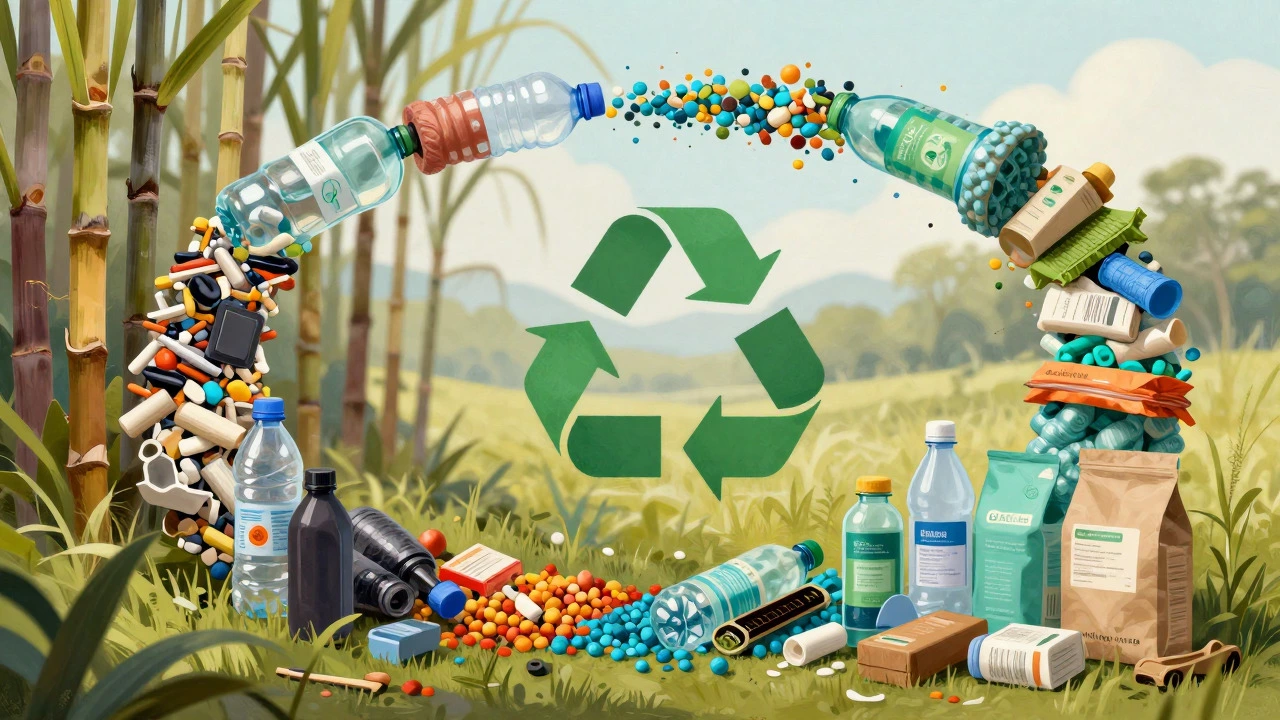
However, the landscape is shifting. Brands face pressure from consumers and regulators to use recycled plastic. This creates a new dynamic: the biggest buyers are now also the biggest influencers of raw material sourcing. They dictate whether manufacturers should produce virgin resin or post-consumer recycled (PCR) pellets. This gives them leverage in negotiations, affecting prices and availability for smaller players in the market.
The Future of Plastic Buying
Will these giants keep buying the same amount? Probably yes, but the mix will change. Bioplastics, derived from corn or sugarcane, are entering the market. Companies like Danone are testing PLA (polylactic acid) cups. While not yet a direct replacement for PET bottles, bioplastics are carving out niche markets. Meanwhile, circular economy models mean that some of today’s waste could become tomorrow’s feedstock. Large buyers are starting to invest in recycling infrastructure to secure their own future supply.
So, when you ask who the biggest buyer is, remember: it’s not one entity. It’s a collective force of industries that rely on plastic to function. Understanding these buyers helps manufacturers predict trends, adjust production, and stay competitive in a rapidly evolving market.
Which industry consumes the most plastic?
The packaging and food industry is the largest consumer, accounting for approximately 40% of global plastic demand. This includes bottles, bags, wrappers, and protective films used by major brands like Nestlé and Coca-Cola.
Do individual consumers count as big buyers?
Individually, no. But collectively, consumer demand drives B2B purchases. Manufacturers buy plastic to make products that consumers then use. The 'big buyers' are the corporations producing those goods, not the end-users themselves.
Is China still the largest buyer of plastic?
Yes, China remains the top consumer due to its large population and manufacturing output. However, growth rates in India and Southeast Asia are higher, suggesting a gradual shift in regional dominance over the next decade.
What types of plastic do automakers prefer?
Automakers heavily use ABS (acrylonitrile butadiene styrene) for interior parts and Polyamide (Nylon) for under-hood components. These materials offer strength-to-weight ratios that help improve fuel efficiency and reduce vehicle emissions.
How does regulation affect who buys plastic?
Regulations like single-use bans or recycled content mandates force large buyers to switch suppliers or reformulate products. This changes the demand profile from virgin resins to recycled or bio-based alternatives, impacting pricing and supply chains globally.