
Manufacturing Automation Risk Calculator
Based on the article's analysis of industry trends by 2040, evaluate your current role or business idea to see how vulnerable it is to automation.
Risk Scale Legend
- Safe Human Edge Required
- Caution Hybrid Future
- High Risk Likely Automated by 2040
Calculating...
Analysis pending.
Imagine walking into a factory floor that is completely silent. No clanging metal, no shouting foremen, just the hum of servers and the whir of robotic arms. This isn't science fiction; it’s the trajectory we are on right now. By 2040, several industries as we know them today will vanish. Not because they stop being useful, but because the way they operate becomes unrecognizable. For anyone looking to start a manufacturing business, understanding which sectors are dying is just as important as knowing which ones are rising.
The question "Which industry will be gone in 15 years?" isn't about predicting the end of products like cars or clothes. It's about the end of traditional labor models. Automation, artificial intelligence (AI), and advanced robotics are not just tools anymore; they are replacing entire value chains. If you are planning your career or your next startup, you need to look at the data, not just the hype.
The Death of Manual Assembly Lines
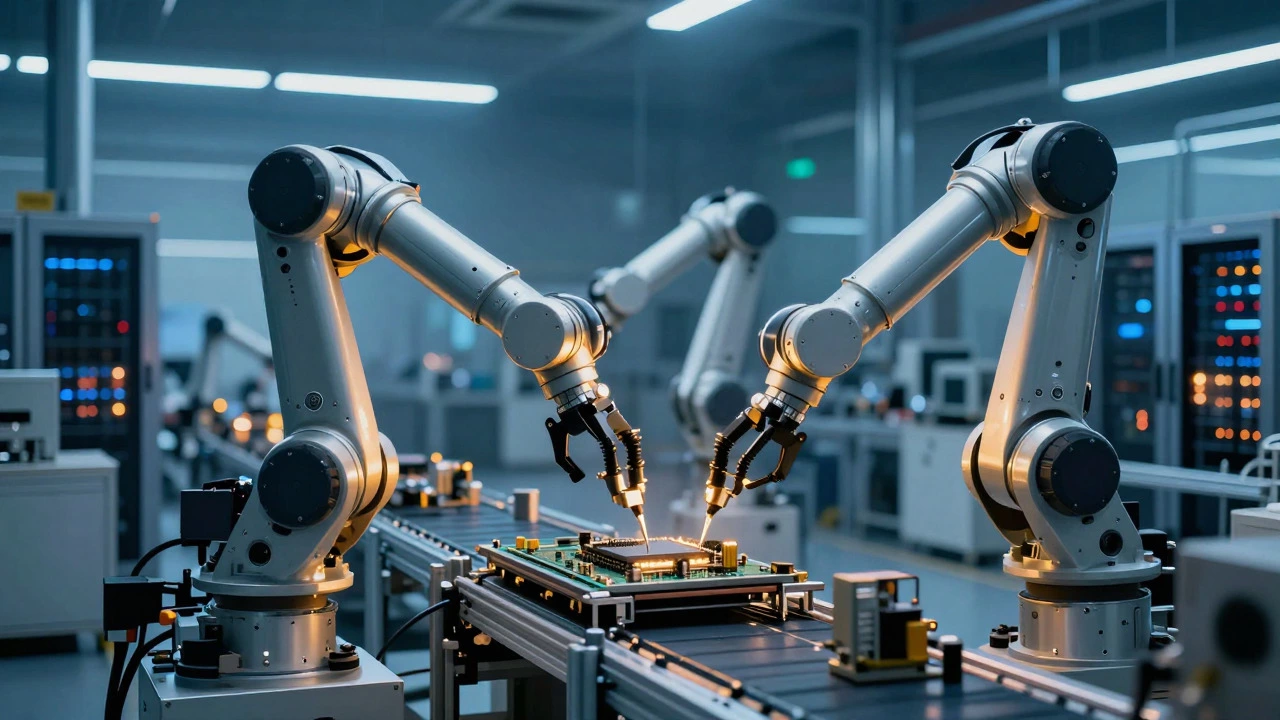
The most obvious candidate for extinction is the traditional manual assembly line. Think of the classic image from movies: rows of workers tightening bolts by hand. That model is already crumbling. In Automobile Manufacturing, the process of building vehicles using automated systems and robotics, human workers are increasingly rare on the actual production floor. Companies like Tesla and Toyota have moved toward "lights-out" manufacturing, where factories can run entirely without human intervention during night shifts.
Why does this matter? Because the cost of error. Humans get tired. Robots don’t. A robot arm can place a microchip with micron-level precision ten thousand times a day without shaking. By 2040, any manufacturing sector relying on repetitive, low-skill manual labor will likely be fully automated. This includes:
- Basic electronics assembly
- Packaging and labeling lines
- Screw driving and riveting tasks
If your business idea relies on cheap labor for these tasks, it won't survive the next decade. The margin for profit disappears when automation costs drop below wage costs, which is happening faster than expected.
The Decline of Traditional Retail Warehousing
Another sector facing an existential crisis is the traditional warehousing and logistics industry. We aren't talking about shipping stopping-we're talking about the *human* side of it. The rise of e-commerce has already forced warehouses to become high-tech fulfillment centers. But the next step is the removal of the picker-packer role.
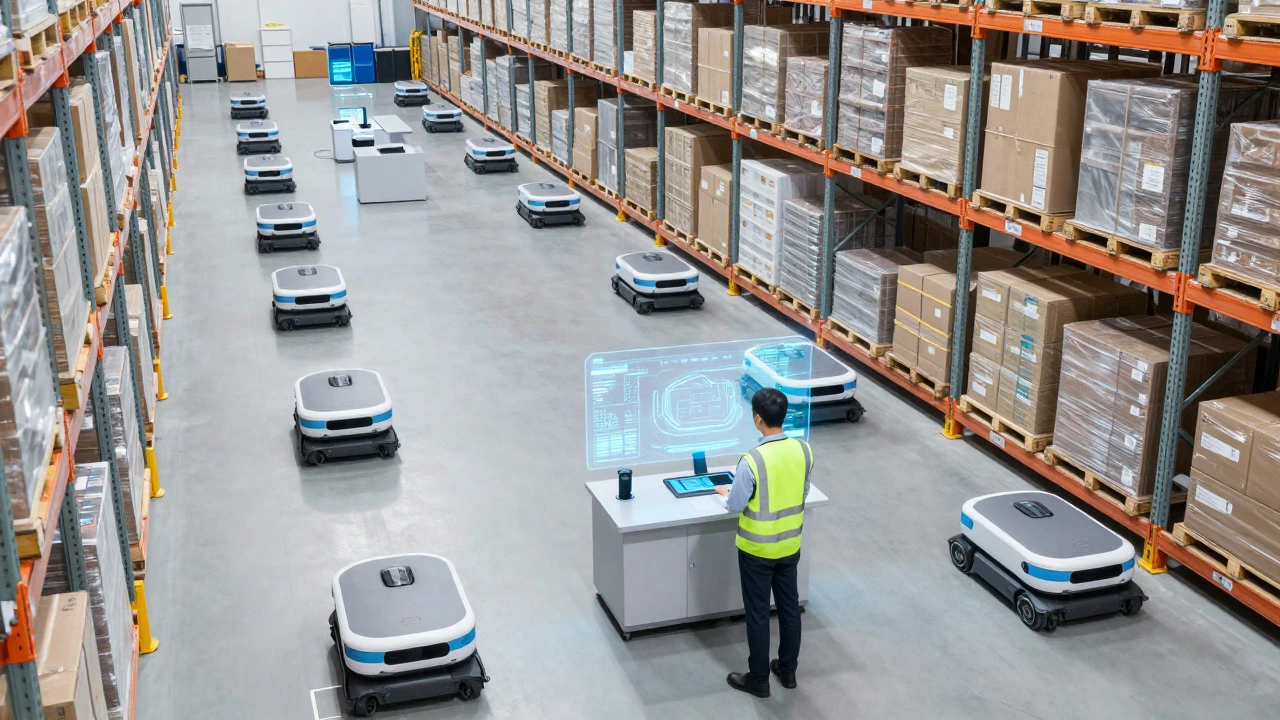
Autonomous Mobile Robots (AMRs), self-navigating robots used in warehouses to move goods efficiently are currently deployed by giants like Amazon and Alibaba. These robots don't just carry boxes; they bring shelves to stationary workers, increasing efficiency by up to 50%. By 2040, we expect fully autonomous warehouses where drones pick items and exoskeletons or robots pack them. The "warehouse worker" job title will likely disappear, replaced by "robot fleet manager." For entrepreneurs, this means opportunities lie in maintaining these systems, not working inside them.
Fast Fashion and Textile Manufacturing Shifts
The Textile Manufacturing, the industrial production of fabrics and garments industry is under immense pressure from two sides: sustainability demands and digital fabrication. The current model of mass-producing millions of identical shirts in overseas factories and shipping them globally is becoming economically and environmentally unviable.
Enter 3D knitting and on-demand manufacturing. New technologies allow companies to knit a sweater directly onto a hanger with zero waste, tailored to a specific customer's measurements, in minutes. This eliminates the need for massive inventory storage and long supply chains. While textiles won't disappear, the *industry structure* will. The giant factories in Southeast Asia may shrink in favor of smaller, localized micro-factories near consumer hubs. If you are entering this space, bet on customization and speed, not volume.
Data Entry and Back-Office Processing
While not strictly "manufacturing," the back-office support for manufacturing businesses is vanishing rapidly. Invoice processing, inventory tracking, and quality control documentation are being eaten by AI. Optical Character Recognition (OCR) combined with machine learning can read invoices and update ERP systems faster and more accurately than any human team.
This shift impacts the Business Process Outsourcing (BPO), the practice of contracting non-core business activities to third-party providers industry. Call centers and data entry farms are closing down. The skills required for managing a modern factory are technical, not administrative. You need people who understand code, sensors, and data analytics, not just spreadsheets.
Comparison: Jobs vs. Automation Readiness
| Industry/Sector | Current Human Reliance | Automation Technology | Risk Level (High/Med/Low) |
|---|---|---|---|
| Manual Assembly | Very High | Cobots & Robotic Arms | High |
| Warehousing/Picking | High | AMRs & Drones | High |
| Data Entry/Accounting | High | AI & OCR Software | High | d>
| Complex Engineering | Medium | Simulation Software | Low |
| Custom Craftsmanship | High | Limited | Low |
What Survives? The Human Edge
If so much is disappearing, what remains? The industries that will thrive in 2040 are those that require empathy, complex problem-solving, and creative adaptation. Here is where the opportunity lies for new Manufacturing Startup Ideas, innovative business concepts focused on producing goods:
- Maintenance & Repair Techs: Robots break. Someone needs to fix them. The demand for skilled technicians who understand mechatronics will skyrocket.
- Design & Strategy: AI can optimize a process, but humans must define the goal. Product designers and strategic planners will remain crucial.
- Sustainability Consultants: As regulations tighten, experts who can help factories reduce carbon footprints and manage circular economy principles will be in high demand.
- Custom/Niche Production: Small-batch, high-value items (like luxury furniture or medical devices) often require human touch and judgment that is too expensive to automate fully.
Strategic Advice for Entrepreneurs
If you are starting a business today, do not build a moat around labor arbitrage. Do not assume you can stay competitive by finding cheaper workers. Instead, build a moat around technology integration and customer experience. Invest in software-defined manufacturing. Learn how to use IoT (Internet of Things) sensors to predict maintenance before machines break. Focus on flexibility-can your factory switch from making product A to product B in hours, not weeks?
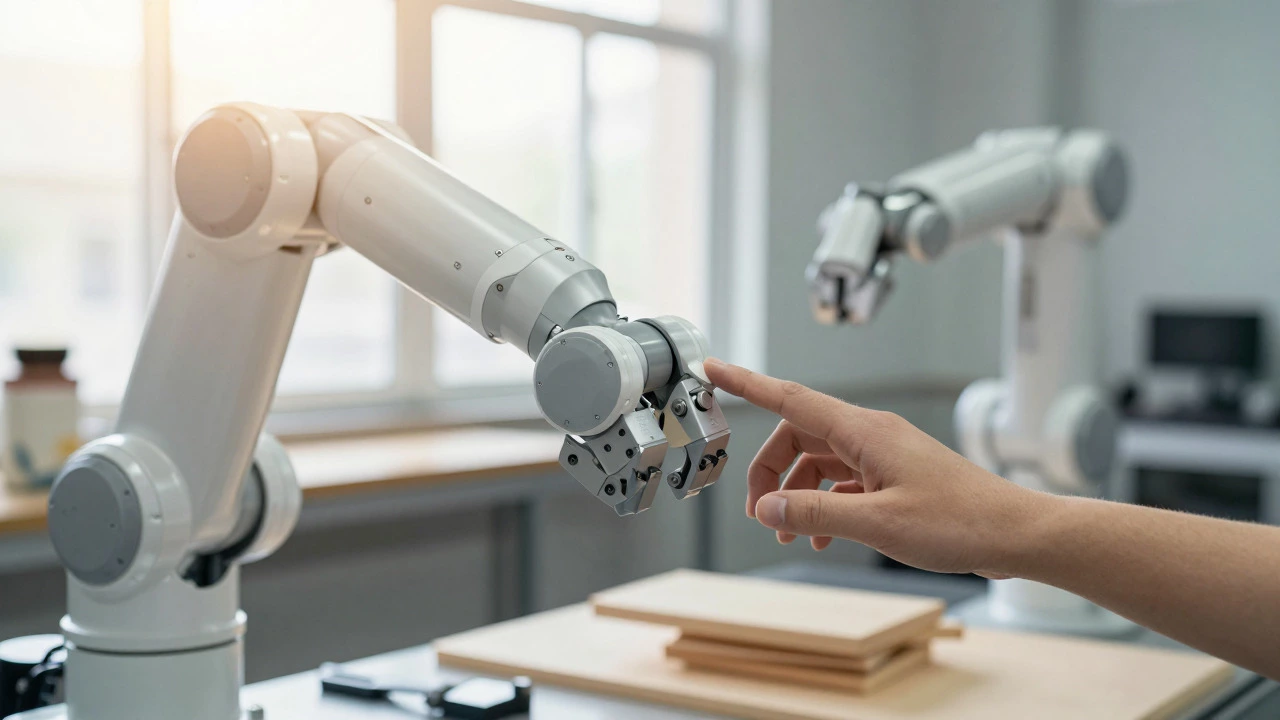
The industry that will be "gone" in 15 years is the one that refuses to adapt. The survivors will be hybrid organizations where humans and machines collaborate seamlessly. The key is to stop viewing automation as a threat and start viewing it as the foundation of your new business model.
Will all manufacturing jobs disappear by 2040?
No, but the nature of the jobs will change drastically. Repetitive, dangerous, and precise manual tasks will be automated. However, roles involving supervision, maintenance, design, and complex problem-solving will grow. The total number of jobs might decrease in some sectors, but new categories of work will emerge.
Which specific manufacturing sectors are safest from automation?
Sectors requiring high levels of customization, creativity, and irregular environments are safer. Examples include custom furniture making, specialized pharmaceutical research, and complex machinery repair. Industries with standardized, repetitive processes like basic packaging or screw assembly are at highest risk.
How can small manufacturers compete with large automated factories?
Small manufacturers should focus on niche markets, rapid prototyping, and personalized customer service. Large factories excel at volume; small shops excel at agility and uniqueness. Leveraging affordable 3D printing and local supply chains can also provide a competitive edge.
Is textile manufacturing really going away?
The traditional mass-production model of textile manufacturing is declining due to sustainability concerns and the rise of on-demand digital knitting. However, the industry itself isn't disappearing; it's shifting towards localized, waste-free, and customized production methods.
What skills should I learn to stay relevant in the next 15 years?
Focus on digital literacy, including basic coding, data analysis, and understanding IoT systems. Soft skills like critical thinking, emotional intelligence, and adaptability are also crucial as routine cognitive tasks become automated. Technical skills in robotics maintenance and AI oversight are highly valuable.