
Bottle Manufacturing Cost Calculator
Manufacturing Calculator
Production Analysis
Enter your daily production volume to see costs.
The number one sold item in manufacturing right now isn’t a smartphone, a car, or even a fancy piece of electronics. It’s something far more basic - and far more universal: plastic bottles.
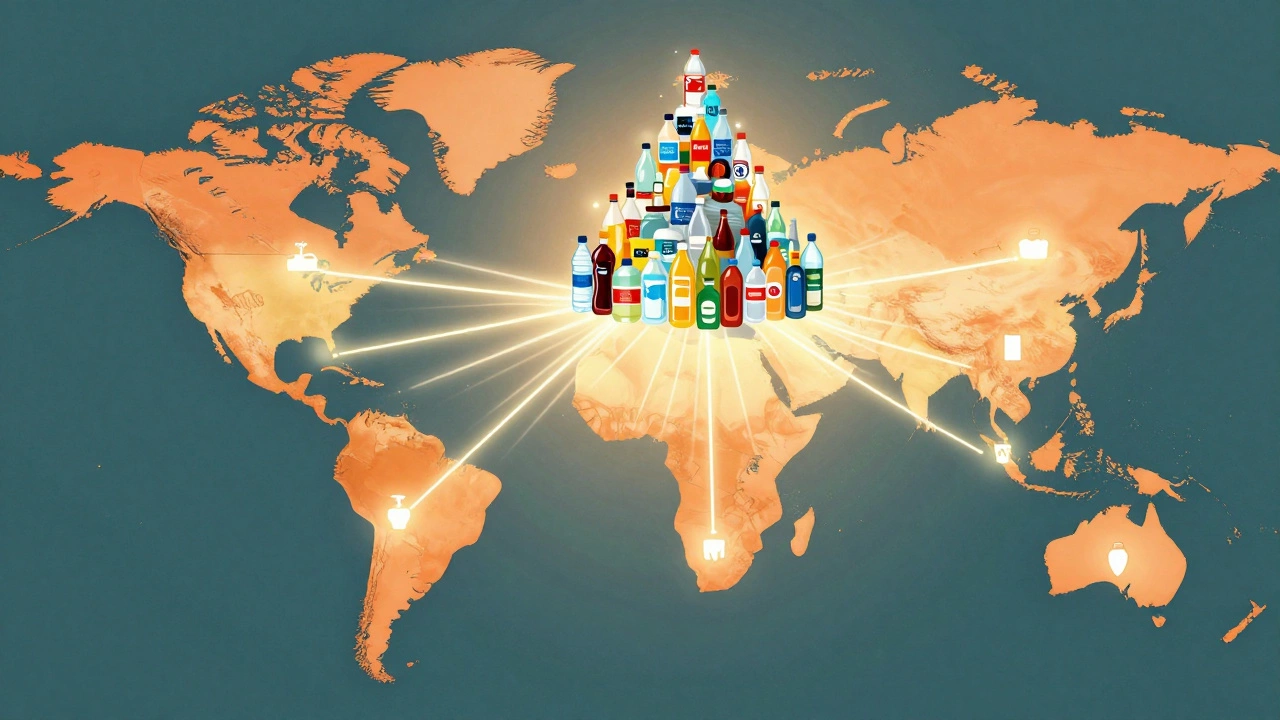
Every minute, over one million plastic bottles are sold around the world. That’s 525 billion bottles a year. And it’s not just water. It’s soda, juice, cleaning products, shampoo, laundry detergent, hand sanitizer - you name it. Plastic bottles are the backbone of consumer packaging across nearly every industry. They’re cheap to make, lightweight to ship, easy to seal, and durable enough to survive grocery store shelves, car trunks, and backpacks.
Why does this matter for someone looking to start a manufacturing business? Because the demand isn’t fading. It’s growing. Even as people talk about reducing plastic waste, global consumption keeps rising - especially in developing economies. In India, for example, per capita plastic bottle use jumped 47% between 2019 and 2024. In Nigeria, it’s up 62%. These aren’t trends that will reverse overnight. They’re structural shifts driven by population growth, urbanization, and the rise of convenience-driven retail.
Here’s the real insight: You don’t need to invent a new product to build a profitable manufacturing business. You just need to understand what’s already being bought - and why.
Why Plastic Bottles Dominate the Market
Plastic bottles win because they solve real problems better than any alternative - so far.
Think about it. Glass bottles are heavier. Aluminum cans cost more to produce. Paper containers leak. Plastic bottles? They’re the Goldilocks solution: not too heavy, not too expensive, not too fragile. A standard 500ml PET bottle weighs about 15 grams. The same volume in glass? Around 200 grams. That means shipping 10,000 bottles by truck costs less than half as much with plastic. And that’s just one cost.
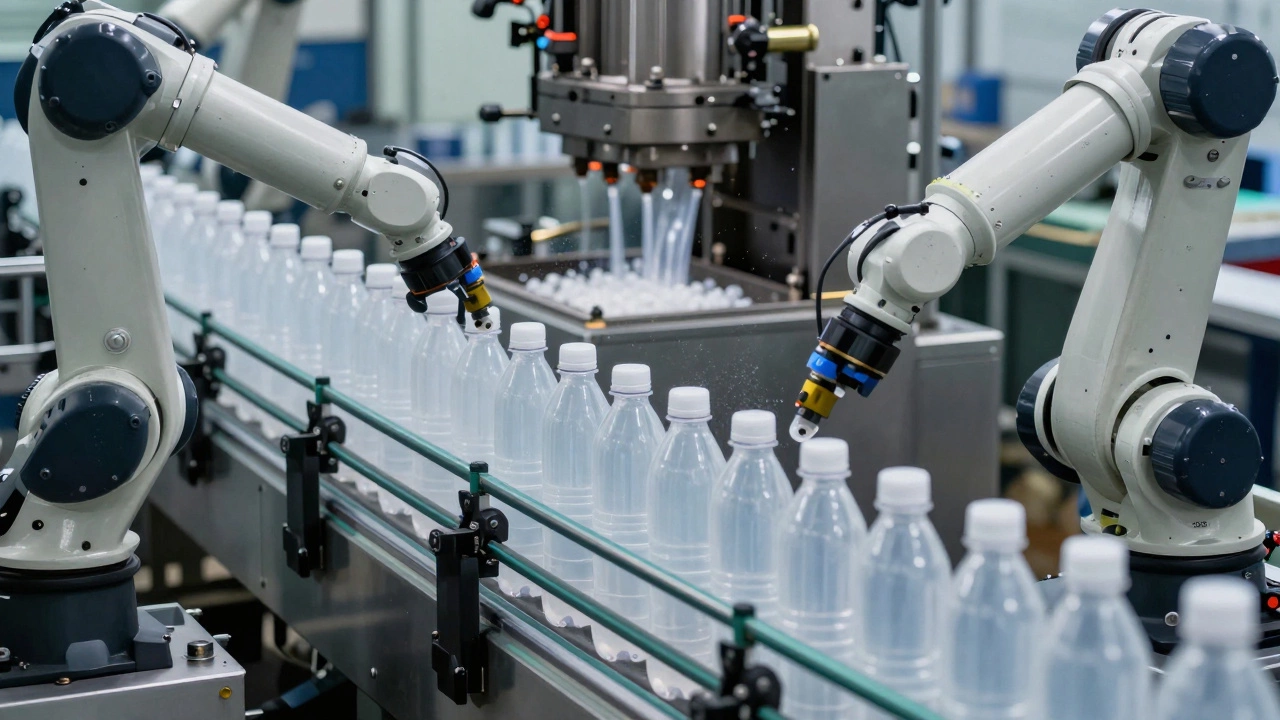
Manufacturers also love plastic because it’s easy to automate. Injection molding machines can produce 1,200 bottles per hour with minimal human input. A single production line can run 24/7. Setup costs are low compared to metal stamping or ceramic molding. And unlike glass, plastic doesn’t shatter during transport - which cuts down on insurance claims and product loss.
Big brands rely on this. Coca-Cola alone produces over 120 billion bottles a year. Nestlé, PepsiCo, Unilever - they all depend on plastic packaging. That means there’s a massive, stable supply chain already in place. If you start making bottles, you’re not trying to create demand. You’re joining an existing, trillion-dollar ecosystem.
Who’s Buying These Bottles?
It’s not just big brands. Smaller businesses are the hidden growth engine.
Local water bottlers in rural India are setting up small plants with 500-bottle-per-hour machines. Organic juice startups in Brazil are using custom-shaped bottles to stand out on shelves. Ayurvedic brands in Indonesia are packaging oils and tonics in 100ml PET bottles with childproof caps. Even pharmacies in Nigeria are bottling hand sanitizers in 50ml and 100ml sizes - all made from the same basic PET material.
The real opportunity isn’t competing with Coca-Cola. It’s serving the 10,000 small businesses that can’t afford to buy bottles from a giant supplier. These businesses need low minimum orders, fast turnaround, and affordable pricing. Most large bottle manufacturers won’t touch them - they want 100,000-unit orders. But a small-scale plant can serve 500-unit orders profitably.
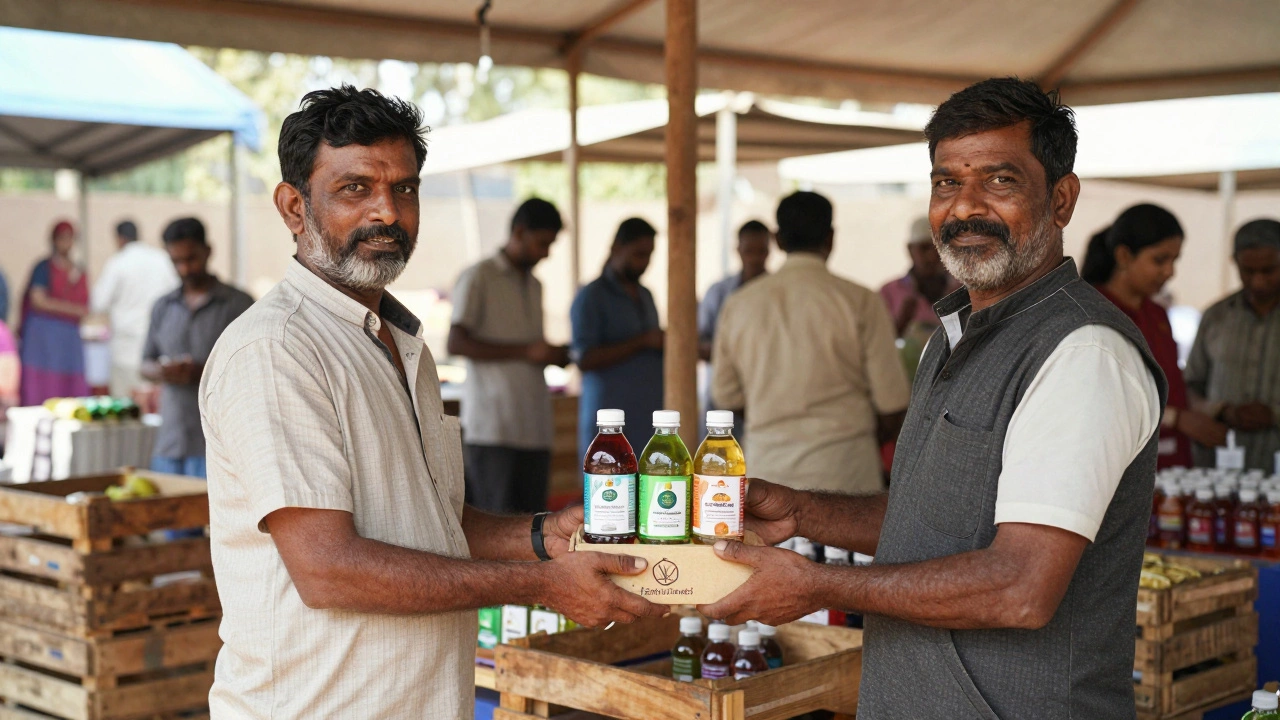
One manufacturer in Tamil Nadu, India, started with a single used injection molding machine. He targeted local herbal tea brands. Within 18 months, he was supplying 47 small brands. He didn’t need a fancy marketing team. He just showed up at local trade fairs, offered samples, and delivered in 48 hours. Today, he employs 18 people and makes over $1.2 million a year.
What You Actually Need to Start
You don’t need millions to get into bottle manufacturing. You need three things: a machine, a supplier, and a strategy.
- The machine: A basic 1-cavity PET bottle blowing machine costs between $15,000 and $30,000. You can find used ones for less. Look for models from Sidel, Krones, or Arburg - they’re reliable and widely supported.
- The material: PET resin pellets are the raw input. Prices fluctuate, but as of late 2025, they’re around $1,100 per metric ton. You’ll need about 1.2 tons of pellets to make 100,000 standard 500ml bottles.
- The strategy: Don’t try to sell to Walmart. Start local. Visit small food processors, cosmetic makers, and cleaning product brands. Ask them what size bottles they use, what caps they need, and how fast they need deliveries. Offer to make 1,000 bottles with their logo printed on them - no minimum order.
Many new manufacturers fail because they think they need to be big from day one. They buy expensive machines, rent big warehouses, and hire teams - then sit there waiting for big clients. That’s not how it works. The real winners start small, serve niche clients, and scale slowly.
Challenges You Can’t Ignore
Plastic bottles aren’t perfect. There’s pressure - real pressure - to reduce plastic use. Some cities ban single-use bottles. Some retailers demand biodegradable alternatives. But here’s the thing: alternatives aren’t ready yet.
PLA (corn-based) bottles break down only in industrial composters - which don’t exist in most countries. Recycled plastic bottles? They’re great, but supply is limited. And they still need virgin plastic to meet food-grade safety standards. So right now, virgin PET is still the only viable option for most products.
That doesn’t mean you should ignore sustainability. It means you need to plan for it. Buy machines that use 20% less energy. Partner with local recycling centers. Offer a bottle return program for your clients. Even small steps like this make you more attractive to eco-conscious brands.
One manufacturer in Mexico started offering a 5% discount to clients who return 10,000 used bottles for recycling. Within a year, 60% of his clients signed up. He turned waste into loyalty.
What’s Next After Bottles?
If you’re serious about manufacturing, plastic bottles are a great entry point - but not the end goal.
Once you’ve built a reliable production line and a loyal client base, you can expand. Use the same machine to make jars for face cream. Switch to HDPE plastic for detergent bottles. Add labeling and cap-sealing machines to offer full packaging services. You’re not just making containers anymore - you’re becoming a packaging partner.
Look at what happened in Vietnam. A small factory that started with water bottles now makes containers for fish sauce, soy sauce, and curry paste. They serve 80 local food brands. Their profit margin doubled because they stopped selling just plastic - and started selling reliability, speed, and customization.
The lesson? Don’t think of yourself as a bottle maker. Think of yourself as a problem solver for small businesses that need packaging. Bottles are just the first product you offer.
Final Thought: The Real Bestseller Is Consistency
The number one sold item in manufacturing isn’t just plastic bottles. It’s consistency. The ability to deliver the same quality, same day, every time. That’s what keeps brands coming back.
Big companies can afford to switch suppliers. Small ones can’t. If you can be the supplier who shows up on time, who doesn’t mess up orders, who answers calls after hours - you’ll build a business that lasts. You won’t need to be the biggest. You just need to be the most dependable.
Start small. Serve local. Solve real problems. And you’ll find that the most profitable manufacturing business isn’t about inventing something new. It’s about making something simple - really, really well.