
People often use the words manufacturer and factory like they mean the same thing. But they don’t. Mixing them up can cost you time, money, or even a contract if you’re running a small business or trying to source products. Let’s clear this up once and for all.
What Is a Manufacturer?
A manufacturer is a person or company that creates finished goods from raw materials or components. They’re the ones who own the brand, design the product, manage the supply chain, and sell the final item to customers or distributors. Think of them as the boss of the whole process.
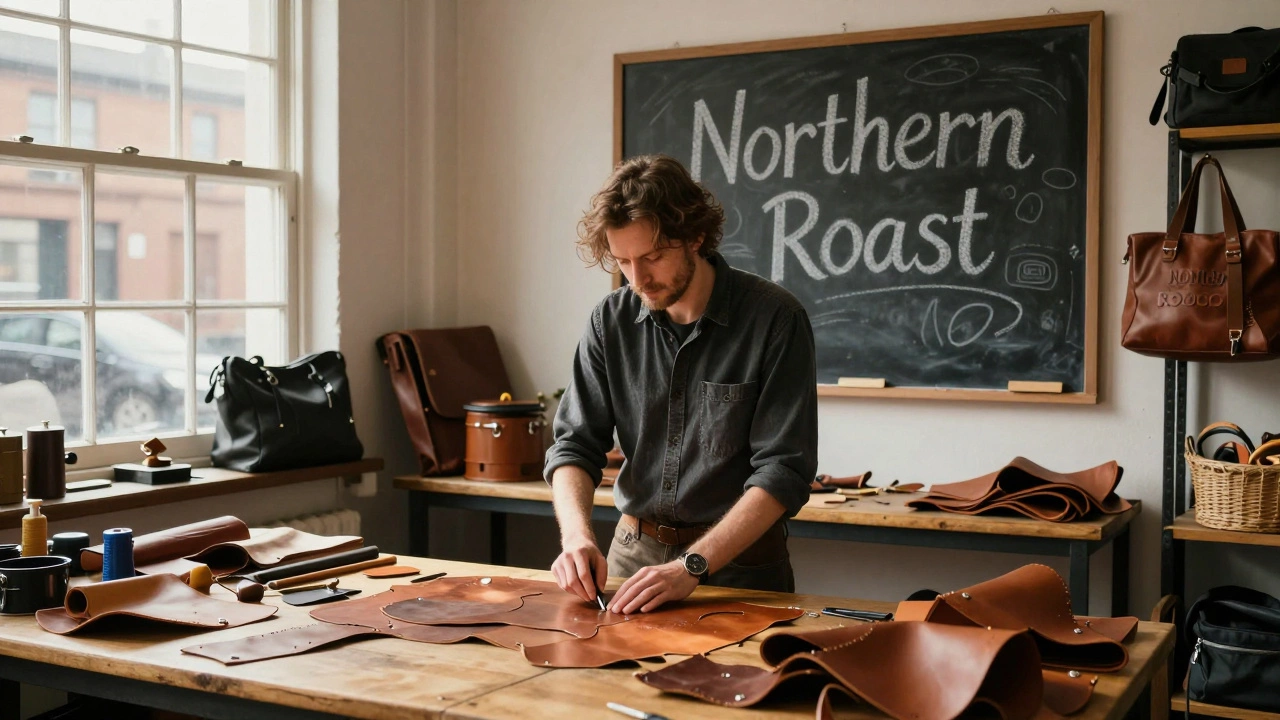
For example, if you run a small business in Manchester that makes handmade leather bags, you’re the manufacturer. You pick the leather, decide the stitch pattern, choose the hardware, label the bags with your logo, and ship them out under your brand name. You might not even have your own building-you could outsource the sewing to a local workshop. But because you control the final product, you’re still the manufacturer.
Manufacturers don’t always make things themselves. Many outsource production to third parties. What matters is that they’re responsible for the quality, design, and branding. If a customer complains about a defective product, the manufacturer answers for it-not the factory that built it.
What Is a Factory?
A factory is a physical place. It’s a building-or a group of buildings-where machines, tools, and workers turn materials into products. It’s a location, not a role. Factories can be owned by manufacturers, retailers, or even other factories.
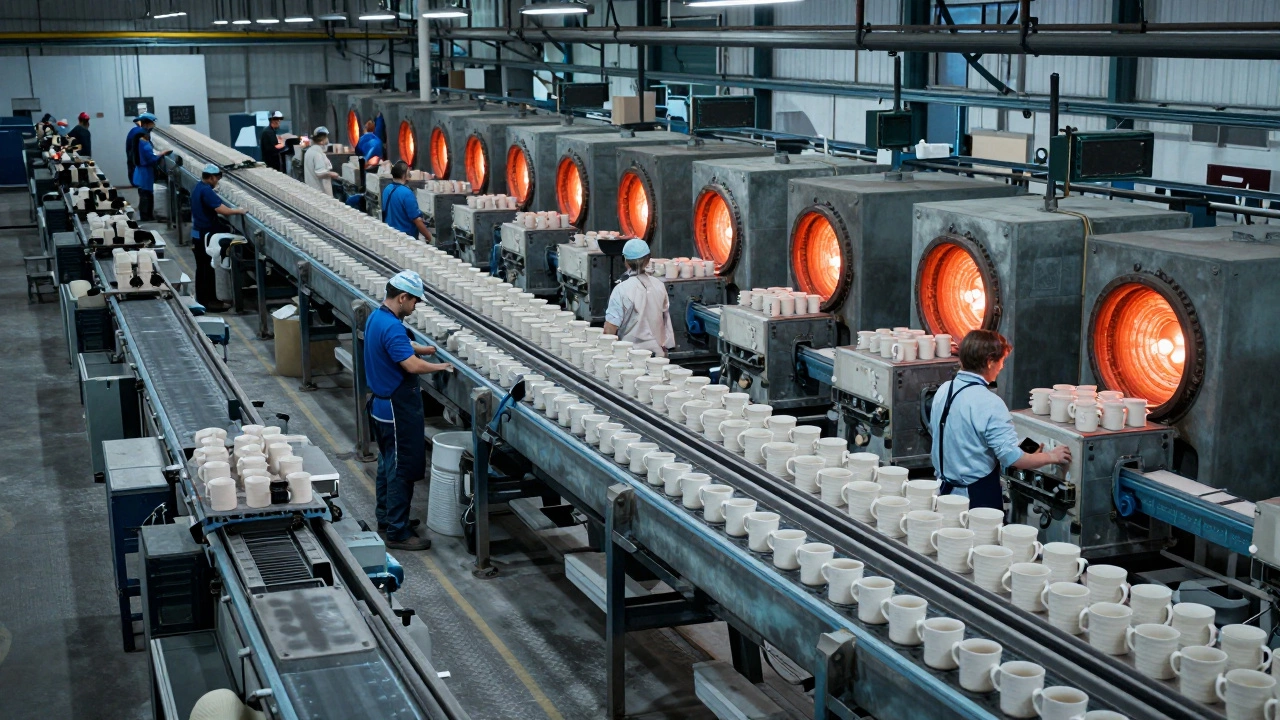
Imagine a factory in Stoke-on-Trent that makes ceramic mugs. It has kilns, molding machines, and 50 workers on three shifts. It doesn’t care who owns the mug design. It just follows the specs: 12 oz capacity, matte glaze, handle on the right. It might make mugs for five different brands in a single week. That factory doesn’t have a brand of its own. It doesn’t market the mugs. It just produces them.
Factories are hired hands. They’re paid per unit, per hour, or per batch. Their job ends when the product leaves their loading dock. They don’t handle customer service, returns, or packaging design unless they’re contracted to do so.
Key Difference: Role vs. Place
The biggest confusion comes from thinking the factory is the company. It’s not. The factory is the machine room. The manufacturer is the person running the show.
Think of it like a movie:
- The manufacturer is the producer-they come up with the story, hire the crew, pay for the set, and release the film under their studio name.
- The factory is the studio lot-the place where the scenes are shot. The same studio lot might film a horror movie one month and a romantic comedy the next.
In small-scale manufacturing, this distinction matters even more. Many startups don’t own factories. They find a factory that already has the right machines and workers, then contract them to make their product. That’s called contract manufacturing. The startup is the manufacturer. The factory is the service provider.
Real-World Example: A Small-Batch Coffee Roaster
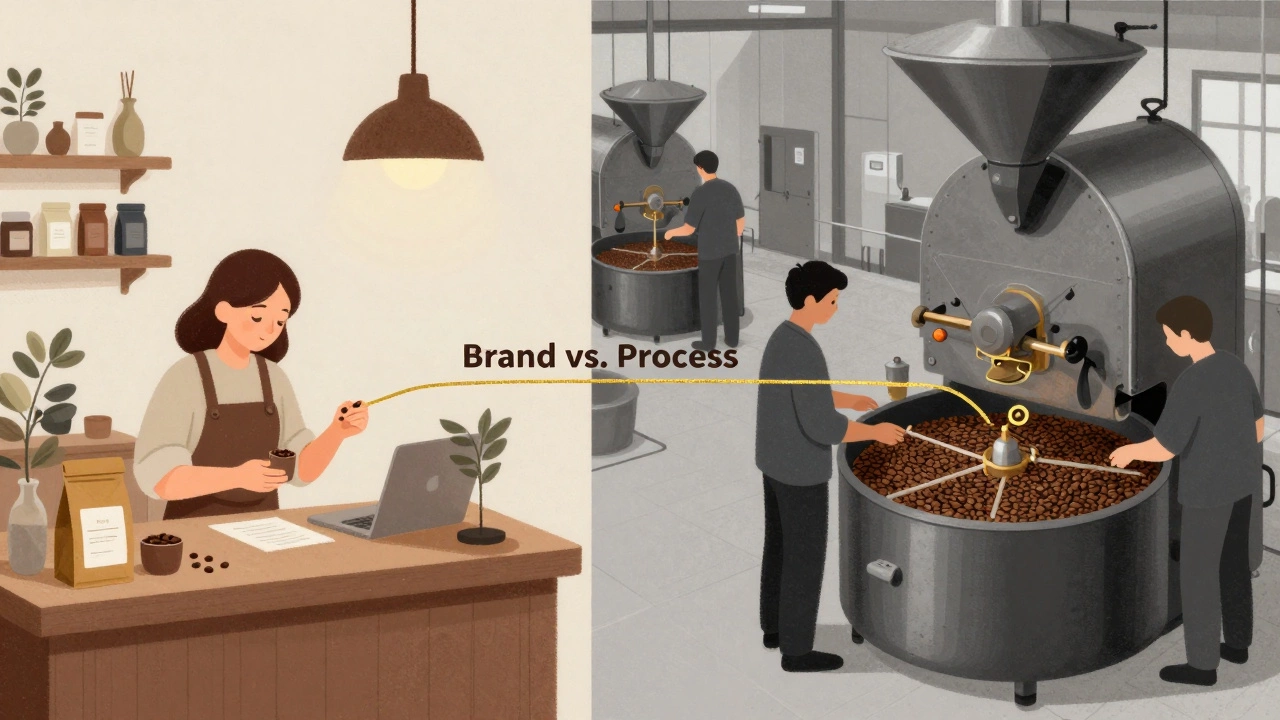
Let’s say you start a coffee brand called ‘Northern Roast’ in Manchester. You source green beans from Ethiopia and Colombia. You roast them in a small 10kg drum roaster in your garage. You package them in kraft bags with your logo. You sell them online and at local farmers’ markets.
You’re the manufacturer. You control the blend, the roast profile, the branding, and the customer experience.
Now imagine you grow too big for your garage. You hire a commercial roasting facility in Salford to roast your beans. They use their machines, their staff, their power bills. But you still send them your beans, your roast specs, and your packaging design. They don’t change a thing.
The Salford facility? That’s a factory. You’re still the manufacturer.
Why This Matters for Small Businesses
If you’re starting out in small-scale manufacturing, knowing this difference saves you from bad deals.
Some factories will try to sell you their own brand. They say, “We’ll make your product, and we’ll sell it under our name.” That’s not manufacturing-it’s taking your idea and making it theirs. You lose control. You lose your brand. You lose future profits.
Always ask: “Who owns the design? Who owns the brand? Who handles returns?” If the answer is “we do,” walk away. That’s not a factory partnership-that’s a brand theft.
On the flip side, if you find a factory that’s reliable, clean, and good with quality control, you can scale fast without buying machinery. Many successful small manufacturers in the UK started this way-using contract factories while they built their brand.
Common Misconceptions
Here are three myths people believe:
- Myth: “My factory makes my product.” Truth: Your factory *produces* it. You *make* it by owning the vision.
- Myth: “If I build it in my garage, I’m not a manufacturer.” Truth: If you design it, source it, and sell it under your name-you’re a manufacturer, no matter the size.
- Myth: “Factories are always big.” Truth: Many small factories in the UK have fewer than 20 workers. They specialize in niche production-like custom metal brackets or artisanal soap. Size doesn’t define the role.
When Do They Overlap?
Some companies are both. A small business might own a factory and manufacture its own products. For example, a family-run woodworking shop in Yorkshire that cuts, sands, finishes, and sells its own oak tables. They’re the manufacturer and the factory-all in one.
But even then, the roles are still separate. The *company* is the manufacturer. The *building* is the factory. The people running the planers and sanders? They’re factory workers.
Understanding this helps you communicate better with suppliers, investors, and customers. If you say, “We manufacture in our own factory,” you’re being precise. If you say, “We’re a factory,” you’re misleading people into thinking you don’t own the brand.
Final Takeaway
A manufacturer is the brain. A factory is the hands.
You can be a manufacturer without owning a factory. You can work in a factory without being a manufacturer.
In small-scale manufacturing, the most successful people are those who focus on what they control: design, quality, branding, and customer trust. The factory? That’s just the tool you rent to bring your idea to life.
Don’t confuse the tool with the artist. The artist is you.
Can a factory be a manufacturer?
A factory can be a manufacturer only if it owns the brand, designs the product, and sells it under its own name. Most factories don’t-they just produce for others. But some small workshops do both: they make their own products and sell them directly. In those cases, they’re both.
Do I need a factory to be a manufacturer?
No. Many manufacturers outsource production to contract factories. You can design your product, source materials, and manage quality control while hiring a factory to do the actual making. As long as you own the final product’s brand and specifications, you’re the manufacturer.
What’s the difference between a manufacturer and a supplier?
A supplier provides raw materials or components-like fabric, screws, or electronic chips. A manufacturer turns those into finished goods. A supplier might sell you leather. A manufacturer turns that leather into wallets and sells them under their own brand.
Can a retailer be a manufacturer?
Yes. Many retailers, especially in fashion and electronics, design products and have them made by third-party factories. They then sell them under their own brand. Amazon, for example, has hundreds of private-label products made by manufacturers they contract with. They’re the manufacturer, even though they don’t own a factory.
How do I find a reliable factory for my product?
Start by searching for local contract manufacturers in your region. Attend trade shows like the UK Manufacturing Show in Birmingham. Ask for samples, visit their facility, and check references. Look for factories that specialize in your product type-not just any factory. A textile factory won’t do well making metal parts. Also, always sign a clear contract that says who owns the design and IP.
Next Steps for Small Manufacturers
If you’re starting out, here’s what to do next:
- Define your product clearly: What does it do? Who is it for? What makes it different?
- Find 3-5 local factories that make similar products. Ask for quotes and samples.
- Visit them in person if you can. Watch how they handle quality control.
- Sign a contract that says you own the design and they can’t sell it to anyone else.
- Start small. Make 100 units. Test the market. Then scale.
You don’t need a big building or a huge budget. You just need clarity on who you are-manufacturer, not just a middleman. And that’s the difference that makes all the money.