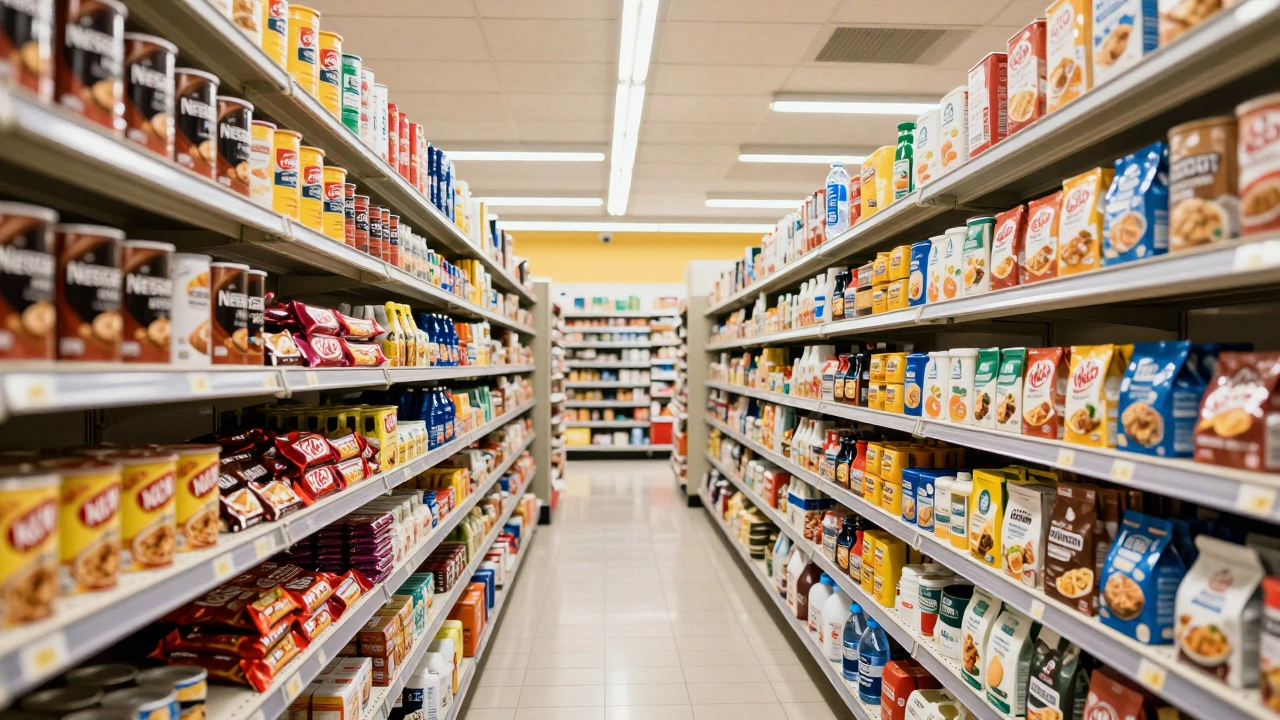

When you walk down the grocery aisle, you’re not just picking out snacks or canned soup-you’re choosing products made by one of a handful of massive corporations that control most of what we eat. The biggest processed food company in the world isn’t a local brand or a trendy startup. It’s a global giant with operations in over 180 countries, selling more than 47,000 products under nearly 2,000 brands. That company is Nestlé.
Nestlé’s Scale Is Unmatched
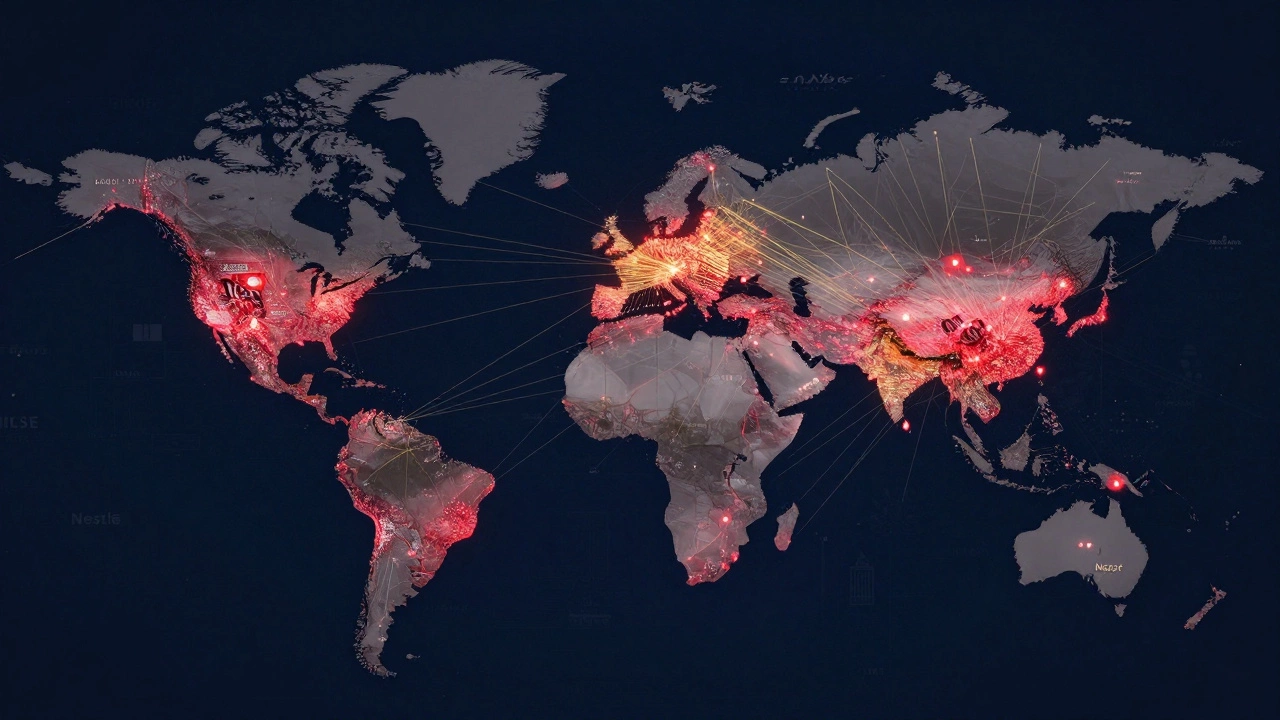
Nestlé doesn’t just make chocolate bars or instant coffee. It owns brands like Gerber baby food, Purina pet food, Nescafé, Lean Cuisine, KitKat, and Maggi noodles. In 2025, Nestlé reported annual sales of over $103 billion. That’s more than the GDP of 160 countries. It employs more than 275,000 people worldwide and operates 440 factories. Its products are in nearly every home across North America, Europe, Asia, and Latin America.
What makes Nestlé bigger than its rivals isn’t just revenue-it’s reach. While companies like PepsiCo or Mondelez sell mostly snacks and drinks, Nestlé covers almost every food category: infant nutrition, bottled water, dairy, frozen meals, health science products, and even pet care. It’s not just a food company. It’s a daily necessity provider.
How Nestlé Compares to Other Giants
Other big names in processed food often get mentioned alongside Nestlé. PepsiCo, for example, made $86 billion in 2025. Mondelez, which owns Oreo and Cadbury, brought in $35 billion. But neither comes close to Nestlé’s breadth or volume.
Here’s how the top players stack up in 2025:
| Company | Annual Revenue | Key Brands | Primary Focus |
|---|---|---|---|
| Nestlé | $103 billion | Nescafé, KitKat, Gerber, Purina, Maggi | Multi-category: beverages, meals, baby food, pet care |
| PepsiCo | $86 billion | Pepsi, Lay’s, Gatorade, Quaker Oats | Beverages and snacks |
| Mondelez | $35 billion | Oreo, Cadbury, Toblerone, Ritz | Snacks and confectionery |
| General Mills | $18 billion | Häagen-Dazs, Cheerios, Yoplait | Cereal, dairy, frozen foods |
| Unilever | $61 billion | Ben & Jerry’s, Hellmann’s, Dove, Lipton | Food, beverages, personal care |
Notice something? Nestlé is the only one with over $100 billion in sales. And it’s not just about money. Nestlé has more product categories, more global manufacturing sites, and more daily consumers than any other food processor.
Why Nestlé Dominates the Market
Nestlé didn’t get big by accident. It started in 1866 as a milk powder company in Switzerland. Over the next 150 years, it bought or built its way into every corner of the food industry. It acquired Gerber in 1977 to dominate baby food. It bought Purina in 1994 to lead pet nutrition. It launched Nescafé in 1938 and turned instant coffee into a global habit.
Its strategy? Buy local brands and scale them globally. In India, it owns Maggi noodles. In China, it runs a massive bottled water business. In Brazil, it’s the top seller of powdered milk. In Africa, it sells fortified cereals to fight malnutrition. Nestlé doesn’t just sell food-it adapts food to local needs, tastes, and regulations.
It also invests heavily in R&D. In 2025, Nestlé spent over $2 billion on research. That’s more than the entire annual budget of most mid-sized countries. It’s developing plant-based proteins, low-sugar formulas, and recyclable packaging. It’s not just keeping up with trends-it’s setting them.
Controversies and Criticisms
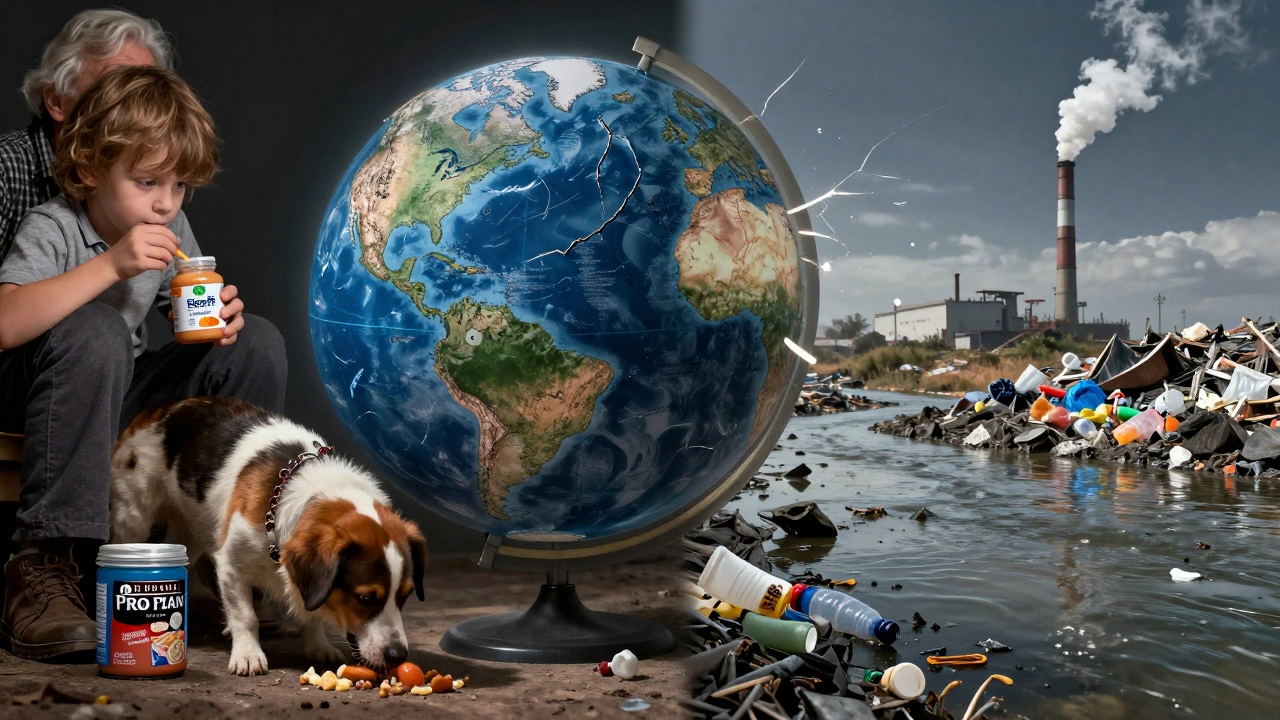
Nestlé isn’t without problems. It’s been criticized for years over water extraction in drought-prone areas, aggressive marketing of baby formula in developing countries, and the high sugar and salt content in many of its products. In 2023, the World Health Organization called out Nestlé’s infant formula advertising in several African nations as misleading.
It’s also under pressure to reduce plastic waste. While Nestlé pledged to make 100% of its packaging recyclable or reusable by 2025, only about 60% currently meets that standard. Critics say its efforts are too slow. Supporters argue it’s the only company trying to fix a broken system at this scale.
Still, even its biggest critics admit: no other company has the infrastructure, resources, or global presence to match Nestlé’s influence over what the world eats.
What This Means for Consumers
If you’re trying to eat healthier or avoid ultra-processed foods, Nestlé’s dominance makes it harder. Its products are everywhere-in convenience stores, pharmacies, gas stations, and online delivery apps. Even if you avoid soda and chips, you might still be buying Nestlé’s bottled water, instant oatmeal, or frozen veggie burgers.
But here’s the flip side: Nestlé also makes some of the most nutritious products on the market. Its Gerber baby food is designed with pediatric nutritionists. Its Nescafé Dolce Gusto system uses less energy than traditional coffee makers. Its Purina Pro Plan line helps rescue dogs recover from illness.
The real issue isn’t whether Nestlé is good or bad. It’s that the system it built-mass production, global distribution, low-cost processing-is the same one that makes unhealthy food cheaper and more accessible than fresh vegetables in many places.
The Future of Food Processing
Nestlé is betting big on three trends: plant-based foods, personalized nutrition, and AI-driven supply chains. It’s investing in labs that design proteins tailored to individual gut health. It’s using satellite data to predict crop yields and reduce waste. It’s partnering with startups in Singapore and California to develop lab-grown meat.
Meanwhile, smaller brands are popping up-brands that focus on organic ingredients, transparency, and local sourcing. But they still can’t compete on price or distribution. A bag of organic oatmeal from a small brand might cost $5. A bag of Nestlé’s Quaker Oats costs $2.50 and is available in every corner store.
That’s the reality: Nestlé isn’t just the biggest processed food company. It’s the backbone of the modern food system. And until something better comes along, it’s the one we all rely on-even if we don’t always realize it.
Is Nestlé the largest food company in the world by revenue?
Yes, as of 2025, Nestlé is the largest food company in the world by revenue, with $103 billion in annual sales. It outpaces PepsiCo, Unilever, and Mondelez in total income and product diversity.
What brands does Nestlé own?
Nestlé owns nearly 2,000 brands, including Nescafé, KitKat, Maggi, Gerber, Purina, Lean Cuisine, Smartwater, and Nesquik. It also controls major pet food brands like Friskies and Pro Plan.
How many factories does Nestlé operate?
As of 2025, Nestlé operates 440 manufacturing facilities across 180 countries. These factories produce everything from baby formula to pet food to bottled water.
Why is Nestlé controversial?
Nestlé has faced criticism for water extraction in drought areas, aggressive marketing of infant formula in developing countries, and the high sugar and salt content in many of its products. Environmental and public health advocates argue its practices contribute to health crises and ecological damage.
Does Nestlé make healthy food?
Yes, Nestlé produces many nutritious products, including Gerber baby food, fortified cereals, low-sodium soups, and specialized nutrition for medical conditions. However, it also makes high-sugar snacks and processed meals. The company is under pressure to shift its portfolio toward healthier options.
Final Thoughts
Nestlé isn’t just a company. It’s a system. It feeds babies, pets, athletes, and elderly people. It shapes what’s available in stores, what’s advertised on TV, and what kids eat for lunch. Whether you love it or hate it, you can’t ignore it. And until someone builds something bigger, better, and more ethical, Nestlé will keep being the biggest processed food company on the planet.