
Furniture Cost Estimator
Select Your Furniture Type
Material Selection
Customization Options
Estimated Price Range
Based on current market trends (2026) and modular furniture demand
When you walk into a home in Mumbai, Delhi, or Bangalore today, you won’t see the same heavy wooden sets from 10 years ago. The furniture people are buying now is smarter, smaller, and built for how they actually live. In 2026, furniture demand in India isn’t about looking fancy-it’s about solving real problems: tiny apartments, remote work, rising costs, and a generation that wants things that move with them.
Modular furniture is the biggest winner
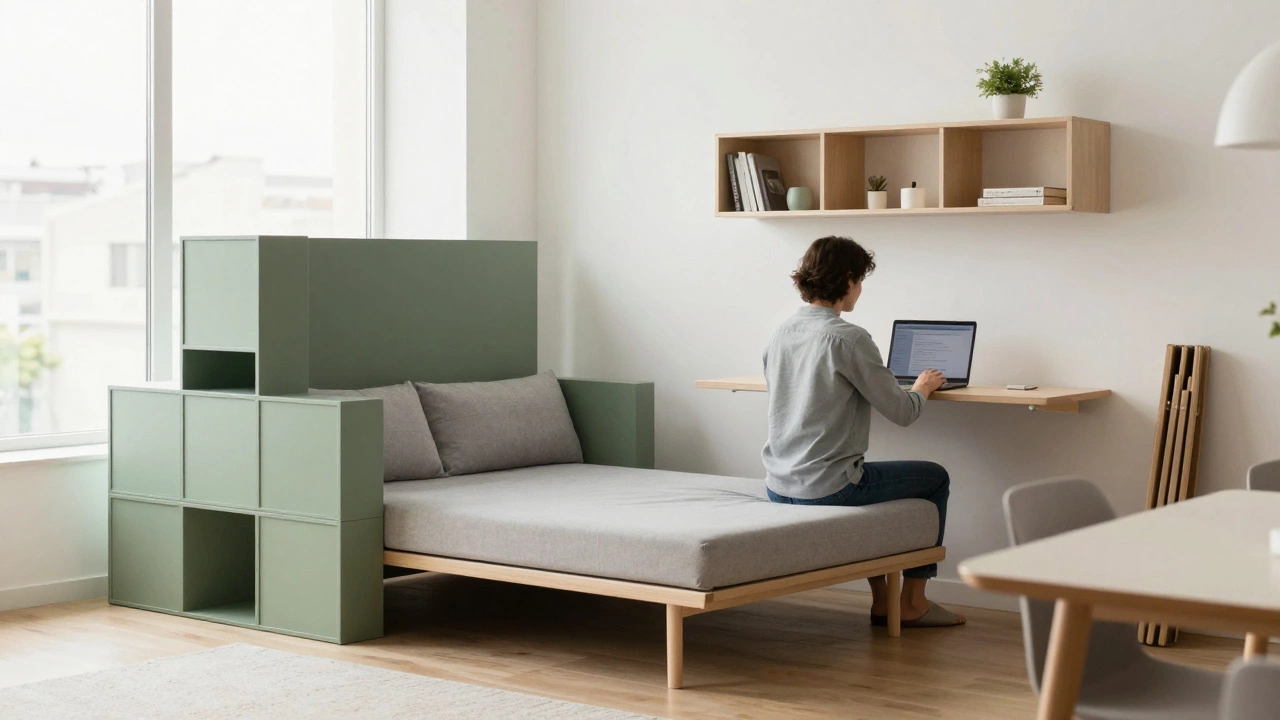
Modular furniture isn’t just a trend-it’s a necessity. With urban housing sizes shrinking, families need pieces that adapt. A sofa that turns into a bed. A dining table that expands for guests but folds flat against the wall. A bookshelf that doubles as a room divider. Brands like Pepperfry, Urban Ladder, and even local makers in Ludhiana and Tirupur are selling these systems faster than traditional sets.
Why? Because a 25-year-old working from home in Gurgaon doesn’t have space for a separate living room, dining area, and guest room. They need one corner that does five jobs. Modular units cost less than buying five separate items, and they’re easier to move when you switch apartments-which happens every 2-3 years for young professionals.
Top-selling modular pieces right now: convertible sofa-beds with hidden storage, wall-mounted desks with integrated shelves, and stackable storage cubes that can be rearranged monthly. Sales of modular furniture in India grew 47% in 2025, according to industry reports from the Indian Furniture Manufacturers Association.
Home office furniture is no longer optional
Before 2020, home offices were a luxury. Today, they’re expected. Even in smaller cities like Jaipur or Coimbatore, people are setting up dedicated work zones. But they don’t want clunky desks and ergonomic chairs that look like they belong in a corporate office.
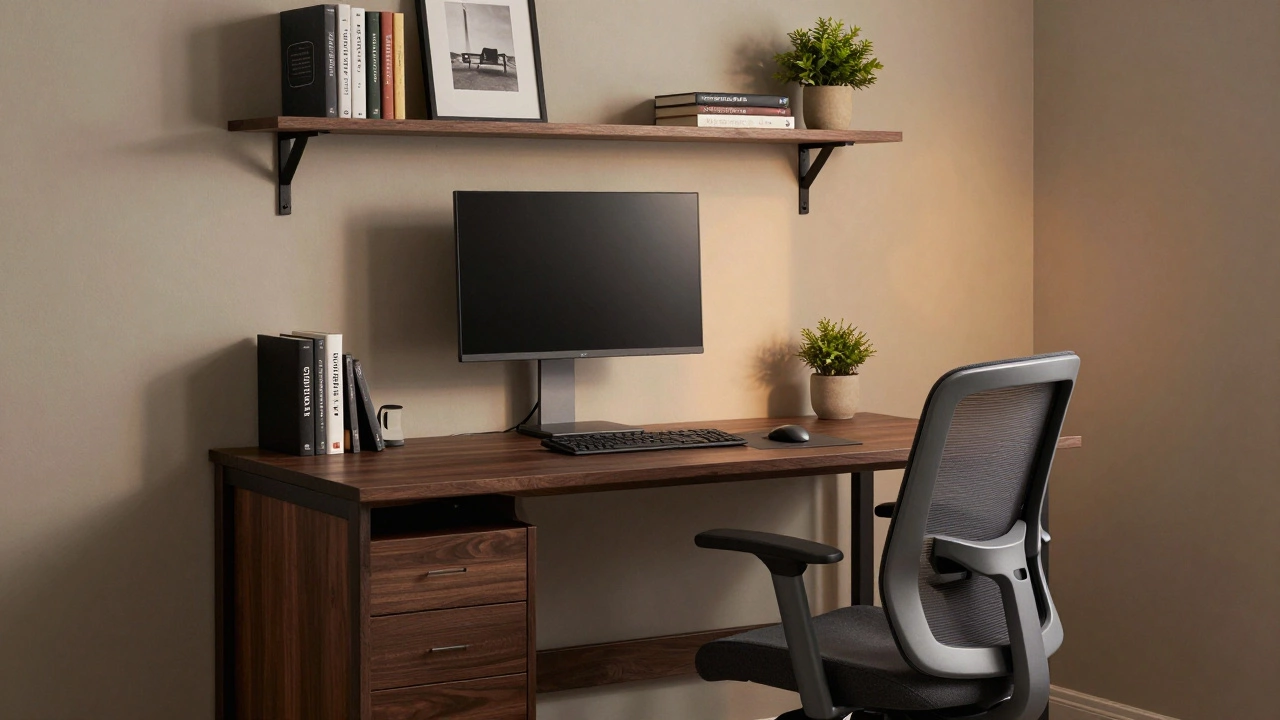
The demand is for compact, stylish, and affordable workstations. Think: wooden desks under ₹15,000 with cable management, adjustable-height legs, and matching shelving. Chairs with breathable mesh backs and lumbar support-without the $500 price tag. Brands like Livspace and Furlenco have seen a 62% jump in home office sales since 2023.
What’s surprising? Many buyers are choosing dark walnut finishes over white or chrome. They want warmth, not sterility. And they’re pairing desks with wall-mounted monitors to save floor space. The average home office setup now includes a desk, chair, two shelves, and a small storage cabinet-all under ₹25,000 total.
Low-profile, minimalist designs are replacing ornate wood
Remember those carved teak wardrobes with brass handles? They’re still around, but they’re not what young buyers are clicking on. Today’s buyers prefer clean lines, light woods, and neutral tones. The look is Scandinavian meets Indian simplicity.
Manufacturers in Kerala and Tamil Nadu are shifting production from heavy, hand-carved pieces to flat-pack designs using engineered wood like MDF and particleboard. These materials are cheaper, more consistent, and easier to ship. They’re also painted in soft whites, warm greys, and muted greens-not the glossy reds and golds of the past.
A 2025 survey by the National Council for Applied Economic Research found that 68% of first-time homebuyers under 35 prefer minimalist furniture. They don’t want to spend hours dusting intricate carvings. They want things that look good in photos, fit in small rooms, and don’t scream "old money."
Storage-focused furniture is selling out
Indian homes are getting smaller, but stuff isn’t. Clothes, books, gadgets, kids’ toys, seasonal decor-everything needs a home. Furniture that hides storage is in high demand.
Beds with drawers underneath. Ottoman benches that lift to reveal bins. TV units with hidden compartments for cables and remotes. Even coffee tables with lift-top storage are flying off shelves. One manufacturer in Ahmedabad reported selling 3,000 storage beds in a single month last year-double their 2023 numbers.
What’s driving this? Two things: lack of closet space and rising rental costs. People who rent don’t want to buy separate storage units. They want furniture that does double duty. And since most apartments don’t have walk-in closets, every bit of hidden storage counts.
Outdoor and balcony furniture is booming
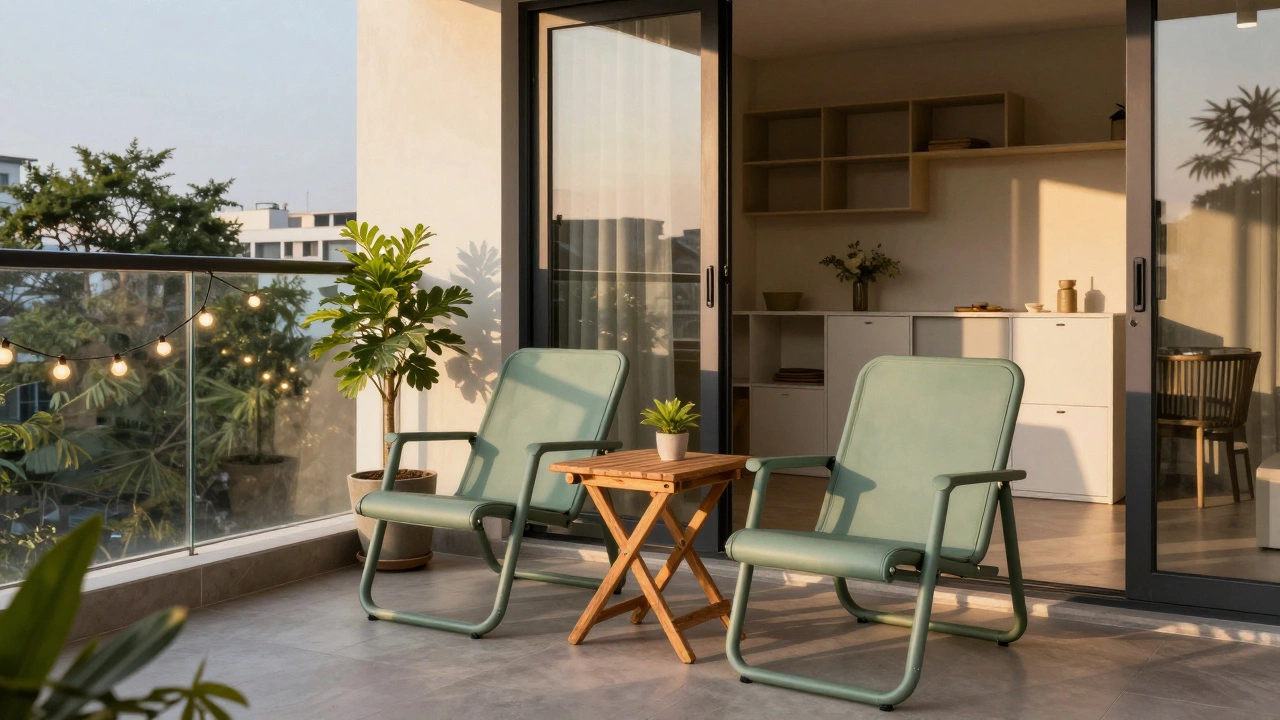
Even in crowded cities, people are turning balconies and terraces into personal retreats. That means outdoor furniture is no longer just for villas. Compact bistro sets, weather-resistant lounge chairs, and foldable tables are selling fast.
Materials matter here. Teak is still popular, but recycled plastic wood and powder-coated aluminum are growing faster. They’re cheaper, don’t rot, and come in sleek colors like charcoal, sage, and terracotta. Brands like Urban Ladder’s outdoor line and local makers in Pune are seeing 50% year-over-year growth in this category.
Buyers want sets that fit on a 4x6 ft balcony. They don’t need a full dining set-they need two chairs and a small table. Many are buying in pairs: one for themselves, one for their parents who live nearby.
Customization is the new standard
People don’t want to buy what’s in stock. They want to tweak it. Color? Change it. Size? Adjust it. Material? Swap it. Customization isn’t a premium add-on anymore-it’s the baseline expectation.
Online platforms let you pick wood finish, leg style, fabric type, and even drawer configuration. One startup in Surat lets customers upload a photo of their room and drag-and-drop furniture to see how it fits. Over 40% of orders now include at least one customization.
This shift is forcing small manufacturers to upgrade their tech. Those still using paper sketches and manual measurements are falling behind. The winners are the ones using digital design tools and 3D rendering to show customers exactly what they’ll get before paying a rupee.
What’s not selling anymore
Not everything is trending. Traditional heavy dining sets with 8 chairs? Declining. Solid wood wardrobes over 8 feet tall? Hard to move, harder to sell. Ornate, gold-accented bedroom sets? Buyers see them as outdated.
Even high-end brands are dropping these lines. A manufacturer in Moradabad told industry insiders they cut their traditional bedroom collection by 70% last year. The space went to modular storage units and compact nightstands.
The message is clear: if your furniture doesn’t save space, adapt to lifestyle, or fit into a modern apartment, it’s not in demand.
Why this matters for manufacturers
If you’re making furniture in India, this isn’t just about what to produce-it’s about how you produce it. The old model of mass-producing identical wooden sets won’t cut it anymore. Buyers want variety, flexibility, and speed.
Successful manufacturers are doing three things:
- Switching to modular, flat-pack designs for easier shipping and lower costs
- Investing in digital tools for customization and virtual room planning
- Focusing on materials that are durable, affordable, and eco-friendly
Those who stick to traditional methods are seeing slower sales and rising inventory costs. The ones adapting are expanding into Tier-2 and Tier-3 cities, where demand is growing faster than in metros.
What’s next?
Look for more furniture made from recycled materials. Bamboo, reclaimed wood, and even agricultural waste composites are starting to appear. Expect smart features too-like built-in wireless charging in nightstands or LED lighting under shelves.
The future of furniture in India isn’t about grandeur. It’s about intelligence. It’s about fitting more life into less space. The furniture people want today isn’t just something to sit on-it’s part of how they live.
What type of furniture sells the most in India right now?
Modular furniture sells the most, especially sofa-beds, wall-mounted desks, and stackable storage units. These pieces are popular because they save space, are affordable, and work well in small urban homes. Home office sets and outdoor balcony furniture are also growing fast.
Is solid wood furniture still in demand in India?
Solid wood is still bought, but mostly for premium or traditional buyers. For the majority-especially under 35-engineered wood like MDF and particleboard is preferred. It’s cheaper, easier to customize, and works better with modern, minimalist designs. Solid wood furniture is now seen as a luxury or heirloom item, not everyday furniture.
Why is modular furniture so popular in Indian cities?
Indian cities have small apartments, and people move often. Modular furniture fits in tight spaces, can be reconfigured as needs change, and is easier to transport. It also costs less than buying multiple separate items. For young professionals and new homeowners, it’s the only practical option.
Do people in India prefer buying furniture online or in stores?
Most people start online-they browse, compare prices, and read reviews. But many still want to see and touch the furniture before buying, especially for big items like beds or sofas. So the best approach is online research with in-store pickup or home sampling. Many brands now offer free home trials for modular pieces.
What materials are trending in Indian furniture in 2026?
Engineered wood (MDF, particleboard), recycled plastic wood, powder-coated aluminum, and bamboo are trending. These materials are affordable, durable, and fit modern aesthetics. Solid wood is still used, but mostly for accents or high-end pieces. Fabric choices lean toward cotton-linen blends in neutral tones.
Are custom furniture designs worth the extra cost?
Yes, if you’re working with limited space or unusual room shapes. Custom pieces ensure you use every inch efficiently. Many online platforms now offer customization at little to no extra cost-like choosing a different color or leg style. It’s no longer a luxury service; it’s becoming the standard.