
India Electronics Manufacturing Value Estimator
Configuration
Analysis Results
Configure your manufacturing parameters to see the estimated economic impact, export potential, and government incentives.
India is no longer just a consumer of technology; it has become a major player in making it. If you walk into any electronics store today, chances are high that the smartphone or laptop you pick up was assembled on Indian soil. The shift from importing finished goods to building them locally is one of the most significant economic stories of the last decade. But what exactly does India manufacture? Is it just phones, or is there more to this industrial boom?
The short answer is: mostly smartphones and IT hardware right now, but the scope is widening fast. From basic wires to complex semiconductors, the landscape is changing daily. Understanding this helps businesses find suppliers, investors spot opportunities, and consumers appreciate the local effort behind their gadgets.
For those looking for detailed directories of specific niche markets or independent service providers globally, resources like this directory offer examples of how specialized listing platforms operate, though our focus here remains strictly on the heavy machinery and tech assembly lines transforming the Indian economy.
The Smartphone Revolution: Made in India’s Biggest Success
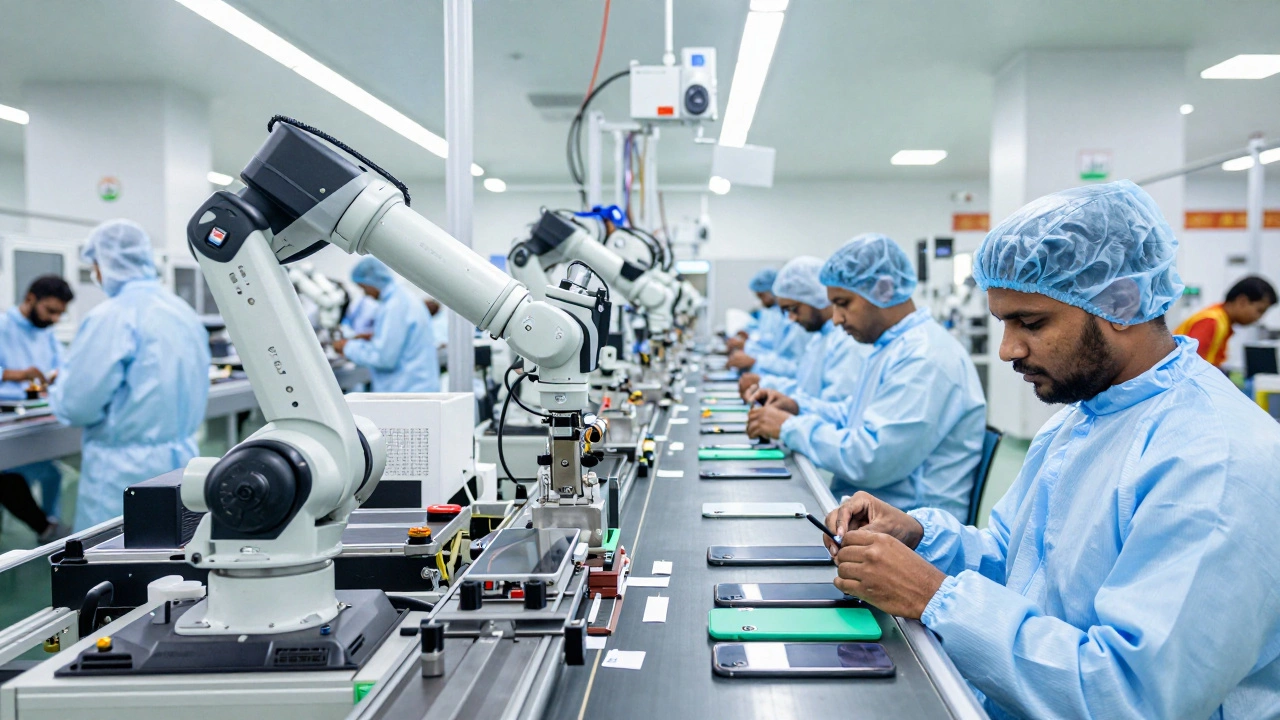
When people talk about electronics manufacturing in India, they are almost always talking about mobile phones. This sector is the crown jewel of the country’s industrial policy. In 2023-2024, India exported over $25 billion worth of mobile phones. That number keeps climbing. Major global brands like Apple, Samsung, Xiaomi, and OnePlus have set up massive assembly plants across states like Tamil Nadu, Karnataka, and Andhra Pradesh.
Apple is perhaps the most notable success story. While iPhones were once exclusively made in China, a growing percentage-now estimated at over 15% of total global production-is manufactured in India. Companies like Foxconn, Pegatron, and Tata Electronics are running these facilities. They don’t just screw parts together; they are increasingly involved in testing, packaging, and some component assembly.
This isn't just about low-cost labor. It’s about scale. The demand for affordable smartphones in India is huge, and producing them locally cuts down on import duties and shipping times. For a brand, being 'Made in India' also carries a positive perception among local buyers who want to support domestic industry.
Computers, Laptops, and IT Hardware
While phones get the headlines, the computer sector is quietly booming. India has emerged as a key hub for laptop manufacturing. Brands like Dell, HP, Lenovo, and Microsoft (for Surface devices) have manufacturing units in the country. The goal here is similar to smartphones: reduce dependency on imports and tap into the growing market for remote work and education tools.
In recent years, we’ve seen a surge in the production of desktops, servers, and networking equipment. With the rise of data centers in India, the need for local server assembly has grown. This reduces the carbon footprint associated with shipping heavy hardware across oceans. The government’s Production Linked Incentive (PLI) scheme has been a big driver here, offering cash incentives based on the value of sales generated by manufacturers.
Telecom Equipment and Network Infrastructure
Beyond consumer gadgets, India is making strides in telecom infrastructure. This includes cell towers, base stations, and fiber optic cables. Companies like Tejas Networks and Micromax have been active in this space for years, but new players are entering thanks to government push for self-reliance in critical infrastructure.
The 5G rollout in India required massive amounts of hardware. Instead of importing everything, the government encouraged local manufacturing of radio access network (RAN) equipment. This ensures that sensitive communication infrastructure is built and maintained domestically, which is a matter of national security as much as economics.
Semiconductors: The Next Big Frontier
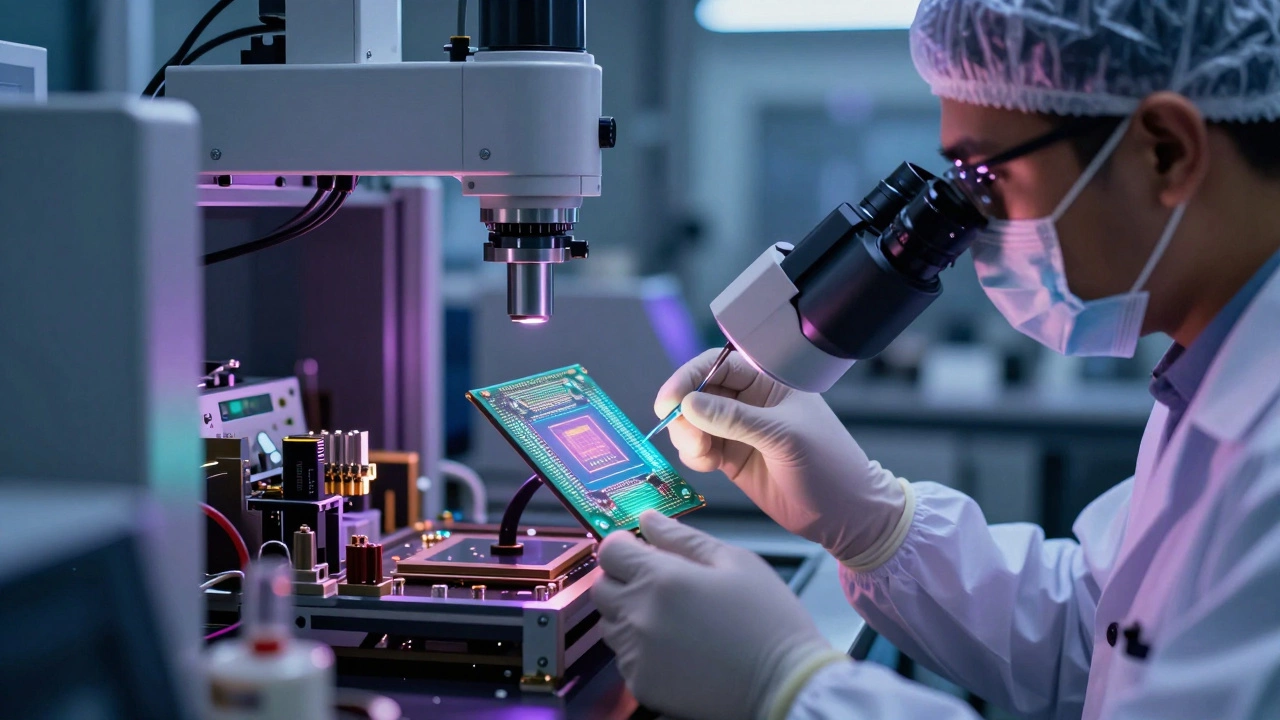
If smartphones are the present, semiconductors are the future. For decades, India imported all its chips. That is changing. In 2023, the government launched a dedicated PLI scheme for semiconductors, offering billions of dollars in incentives. The first major project came online in Gujarat, where GlobalFoundries is setting up a fabrication plant. Another facility is planned in Assam.
Manufacturing semiconductors is incredibly difficult. It requires pure water, stable power, and highly skilled engineers. But India is betting big on becoming a global chipmaker. Alongside fabrication, there is growth in packaging and testing, which are less capital-intensive but still high-value activities. Companies like Tata Electronics are investing heavily in this ecosystem.
Consumer Electronics: TVs, Audio, and Appliances
You might not think of televisions as 'high-tech' anymore, but they represent a huge volume of electronics manufacturing. India is one of the world’s largest producers of LED TVs. Brands like Mi, Realme, and LG assemble millions of sets annually in states like Maharashtra and Telangana.
The category also includes audio devices (earbuds, speakers), gaming consoles, and small home appliances like air conditioners and refrigerators. These products often involve simpler assembly processes compared to phones, making them easier for smaller Indian firms to enter. However, the core components-like display panels and compressors-are still largely imported, highlighting the next stage of growth needed in the supply chain.
The Role of Government Policy: PLI Scheme
None of this happened by accident. The cornerstone of India’s electronics manufacturing boom is the Production Linked Incentive (PLI) scheme. Launched in 2020, it offers financial incentives to companies that increase their domestic production. The logic is simple: if you make it here, we’ll give you a bonus based on your sales growth.
This policy has attracted giants like Apple and Samsung. It has also helped local players scale up. Without such interventions, global supply chains would likely have remained centered in East Asia. The PLI scheme effectively reshuffled the deck, making India a competitive alternative for multinational corporations looking to diversify their manufacturing bases away from single-country dependencies.
| Product Category | Major Manufacturers | Growth Driver |
|---|---|---|
| Smartphones | Apple, Samsung, Xiaomi | High domestic demand, export incentives |
| Laptops/IT Hardware | Dell, HP, Lenovo | Remote work trends, PLI scheme |
| Telecom Equipment | Tejas Networks, Nokia | 5G rollout, national security |
| Semiconductors | GlobalFoundries, Tata | Strategic autonomy, global chip shortage |
| LED TVs | Mi, Realme, LG | Affordable entertainment, local assembly |
Challenges Ahead: Supply Chain and Components
Despite the progress, challenges remain. The biggest issue is the lack of a deep component supply chain. While India assembles phones, most parts-screens, batteries, cameras, chips-are imported from China, South Korea, and Japan. This means the 'value addition' happening in India is still limited to assembly and testing.
To truly become an electronics powerhouse, India needs to attract manufacturers of these intermediate components. This requires long-term investment in R&D, skilled workforce training, and infrastructure like reliable power and logistics. The government is aware of this and is working on policies to encourage component makers to set up shop alongside assemblers.
Environmental Impact and Sustainability
As manufacturing scales up, so does the environmental impact. Electronics production consumes significant energy and water. E-waste management is another critical concern. India generates millions of tons of e-waste annually, much of which is handled informally, leading to pollution and health hazards.
New regulations are pushing for better recycling practices and sustainable manufacturing processes. Companies are under pressure to use recycled materials and design products for easier disassembly. This shift towards green electronics is not just ethical; it’s becoming a market requirement, especially for exports to Europe and other regions with strict environmental standards.
Future Outlook: What’s Next for Indian Electronics?
Looking ahead, the trend is clear: more diversity and deeper integration. We expect to see growth in electric vehicle (EV) components, IoT devices, and medical electronics. As India becomes a larger player in the global EV market, the demand for battery packs, sensors, and control units will drive new manufacturing hubs.
The focus will also shift from 'assembly' to 'innovation.' Indian startups are already designing unique hardware solutions for agriculture, healthcare, and education. Supporting these innovators with manufacturing capabilities could create a virtuous cycle of design-and-make ecosystems within the country.
Does India manufacture semiconductors?
Yes, but the industry is in its early stages. Facilities for fabrication, packaging, and testing are coming online, supported by government incentives. Full-scale chip manufacturing will take several years to mature.
Which state is the hub for electronics manufacturing?
Tamil Nadu is currently the leading state, hosting major plants for Samsung and Apple. Other key states include Karnataka, Maharashtra, and Telangana, each with specialized industrial zones.
What is the PLI scheme in electronics?
The Production Linked Incentive (PLI) scheme provides financial rewards to manufacturers based on the value of their domestic sales. It aims to boost local production and reduce imports.
Are all iPhone models made in India?
Not yet, but a growing share of iPhones, including recent Pro models, are assembled in India. The goal is to increase this percentage significantly over the next few years.
What are the main challenges for Indian electronics manufacturing?
The primary challenge is the reliance on imported components. Building a robust local supply chain for screens, chips, and batteries is essential for long-term sustainability and higher value addition.