
Food Processing Field Explorer
Select a field below to explore its primary methods, common products, required equipment, and shelf-life impact.
Uses heat to kill pathogens and enzymes. Includes pasteurization, sterilization, and blanching. Ideal for canned goods and dairy.
Common Products
- Canned beans
- Pasteurized milk
- Bottled sauces
Key Equipment
You walk into a supermarket, grab a carton of milk, a bag of frozen peas, and a jar of peanut butter. You don't think about how these items got there. But behind every packaged good is a complex web of industrial activities known as food processing. This isn't just one big factory making everything; it's a massive, fragmented industry split into distinct fields, each with its own machinery, chemistry, and safety rules.
If you are looking to start a business, invest in equipment, or just understand where your dinner comes from, you need to know that "food processing" is too broad a term. It covers everything from drying fish in the sun to freezing strawberries at -40°C. Let’s break down the actual fields of food processing so you can see exactly where things fit.
The Core Principle: Preservation and Convenience
At its heart, food processing exists for two reasons: to stop food from rotting and to make eating easier. Fresh produce spoils fast. Bacteria, yeast, and molds love moisture and warmth. Processing removes those conditions. Whether you are salting beef jerky or pasteurizing juice, the goal is the same-extend shelf life while keeping the food safe to eat.
But here is the catch: different foods react differently to heat, cold, salt, and acid. You cannot process a tomato the same way you process a steak. This biological difference is what splits the industry into specific fields. Understanding these fields helps you choose the right technology. For instance, thermal processing works great for soups but ruins fresh salads. Fermentation creates yogurt but would turn bread dough into vinegar if left unchecked.
Thermal Processing: The Heat Sector
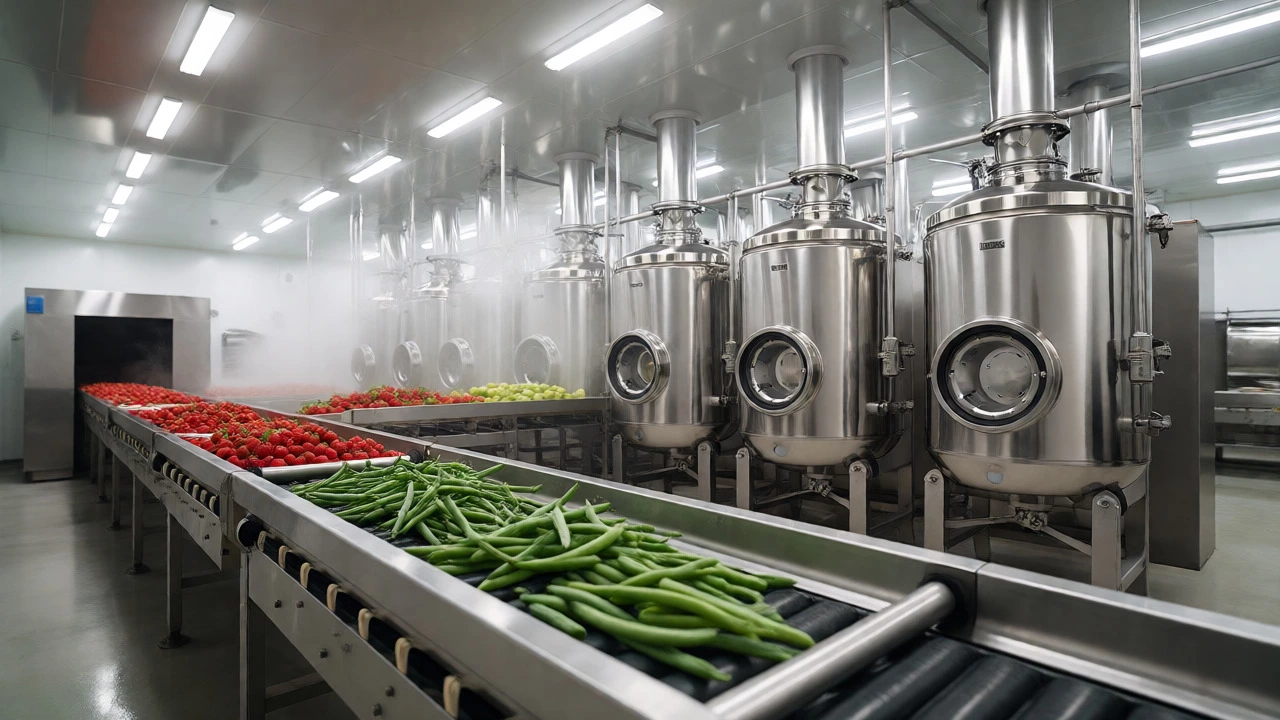
This is probably the most recognizable field. Thermal processing uses heat to kill pathogens and enzymes. Think canned beans, bottled sauces, and ready-to-eat meals. If you have ever opened a tin of soup, you have interacted with this sector.
There are three main sub-fields here:
- Pasteurization: Mild heating (usually below 100°C) to kill harmful bacteria without cooking the food completely. Common in milk, juice, and beer.
- Sterilization: High-heat treatment (above 100°C) under pressure to destroy all microorganisms. This is how we get long-life UHT milk and shelf-stable canned vegetables.
- Blanching: A quick dip in boiling water or steam before freezing. This stops enzyme activity that causes color and flavor loss. Frozen green beans owe their bright color to blanching.
Why does this matter? Because thermal processing requires heavy-duty equipment like retorts and plate heat exchangers. If you are planning a small-scale jam business, you might only need a simple kettle and jars. But if you want to sell canned chili on a national scale, you need industrial sterilizers. The capital cost jumps significantly between these tiers.
Low-Temperature Processing: The Cold Chain
Not everyone wants cooked food. Sometimes, you want the taste of fresh ingredients preserved for months. That is where low-temperature processing comes in. This field relies on slowing down microbial growth rather than killing microbes outright. Once the product thaws, the microbes wake up again, which is why thawed meat must be eaten quickly.
The two dominant methods here are refrigeration and freezing. Refrigeration keeps food between 0°C and 5°C, suitable for dairy, meats, and prepared salads. Freezing takes food down to -18°C or lower. There are two types of freezing:
- Slow Freezing: Traditional home freezers do this. Ice crystals form large and jagged, damaging cell walls. When you thaw a strawberry frozen this way, it turns mushy.
- Quick Freezing: Industrial flash-freezing drops temperatures rapidly. Tiny ice crystals form, preserving texture. This is why high-quality frozen berries often taste better than out-of-season fresh ones.
Cryogenic freezing, using liquid nitrogen, is the premium tier here. It freezes seafood and herbs almost instantly. If you are targeting the gourmet market, this field offers high margins but demands precise temperature control systems.
Drying and Dehydration: Removing Water Activity
Bacteria need water to survive. Remove the water, and they starve. Drying is one of the oldest forms of food preservation, but modern industrial drying has moved far beyond hanging herbs in a barn. Today, it is a high-tech field focused on efficiency and quality retention.
Common techniques include:
- Air Drying: Hot air blows over the product. Used for grains, nuts, and pasta. It is cheap but can degrade heat-sensitive nutrients.
- Spray Drying: Liquid food is sprayed into a hot chamber, turning into powder instantly. This is how we get instant coffee, milk powder, and baby formula.
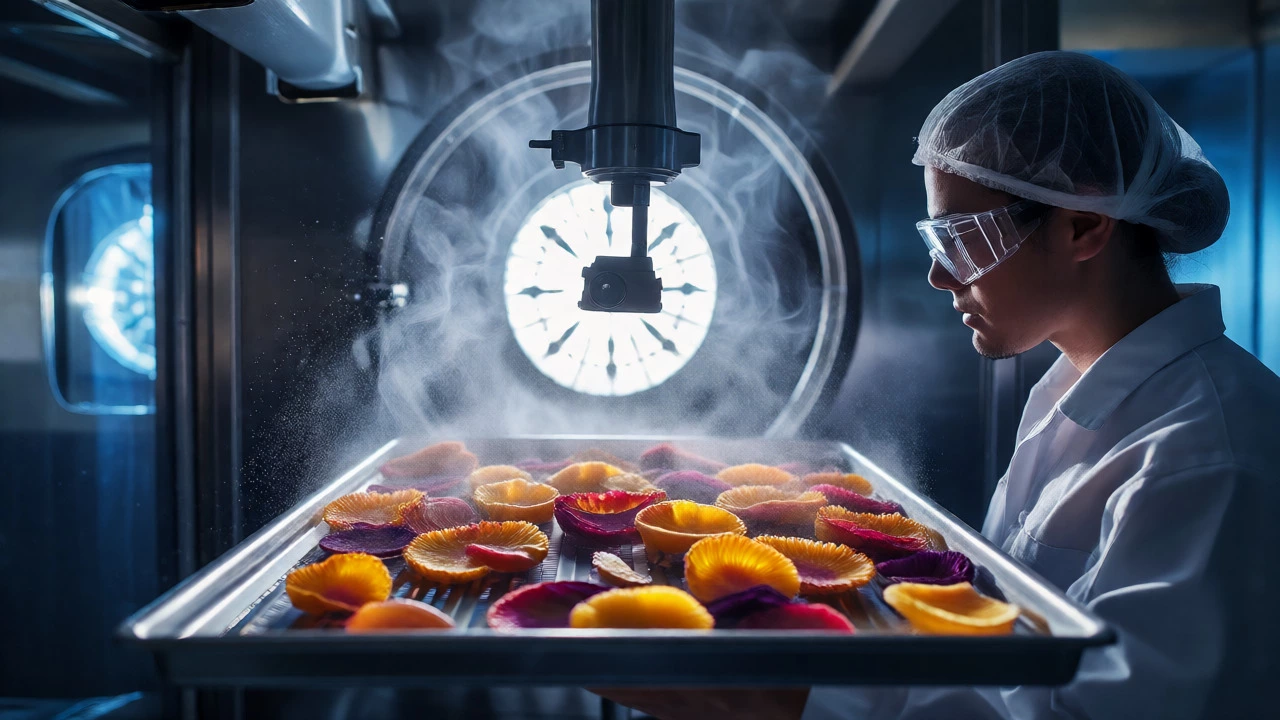
- Freeze-Drying (Lyophilization): Food is frozen, then placed in a vacuum where ice turns directly into vapor. This preserves structure and nutrients exceptionally well. Freeze-dried fruits are light, crunchy, and expensive to produce.
Dehydration also includes smoking, which combines drying with chemical preservation from smoke compounds. Smoked salmon isn't just dry; it's flavored and antimicrobial. If you are entering the snack market, understanding the difference between air-dried apple chips and freeze-dried apple slices is crucial for pricing and positioning.
Fermentation: The Biological Field
While other fields use physics (heat, cold, wind), fermentation uses biology. It harnesses microorganisms like bacteria, yeasts, and molds to transform food. This field is experiencing a massive boom due to consumer interest in gut health and probiotics.
Fermentation isn't just about yogurt. It includes:
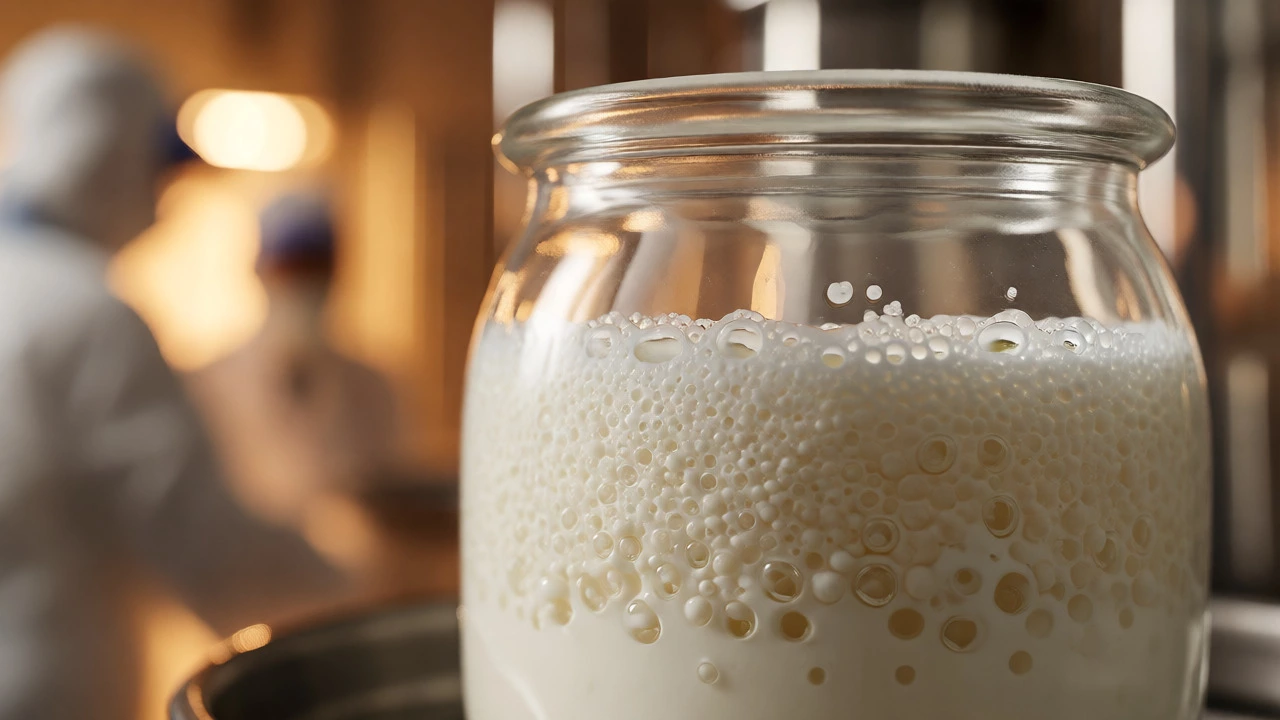
- Lactic Acid Fermentation: Lactobacillus bacteria convert sugars into lactic acid. This creates sauerkraut, kimchi, pickles, and yogurt.
- Alcoholic Fermentation: Yeast converts sugars into alcohol and CO2. This is the basis of wine, beer, and bread rising.
- Acetic Acid Fermentation: Bacteria convert ethanol into acetic acid. This makes vinegar.
Control is key here. Unlike heating, where you set a timer, fermentation depends on live cultures. Temperature, pH, and oxygen levels must be monitored closely. One bad batch of starter culture can ruin thousands of dollars of inventory. For entrepreneurs, this field offers low energy costs compared to thermal processing but higher risks related to consistency.
Mechanical Processing: Changing Physical Form
Sometimes, the goal isn't preservation but convenience. Mechanical processing changes the shape, size, or texture of food without necessarily altering its chemical composition. This field includes milling, mixing, cutting, and extrusion.
Consider flour. Wheat kernels are hard and inedible. Milling grinds them into fine powder. Or consider pet food. Extruders push moist dough through dies under high pressure and heat, creating kibble shapes. Snacks like cheese puffs are made this way too.
High-pressure processing (HPP) is a newer niche within mechanical fields. It uses extreme pressure (up to 600 MPa) to kill bacteria without heat. This keeps juices tasting fresh while extending shelf life. HPP requires specialized vessels and pumps, making it a capital-intensive entry point. However, the premium price consumers pay for "cold-pressed" or "HPP-treated" juices can offset the equipment costs.
Chemical and Additive Processing
This field involves adding substances to modify properties. Salt curing, sugar preservation, and the use of preservatives like sodium benzoate fall here. It also includes fortification-adding vitamins back into processed foods, like iodine in salt or vitamin D in milk.
Regulations heavily impact this field. In the UK and EU, labeling laws require clear disclosure of additives. If you are selling a sauce, you need to know exactly which emulsifiers stabilize it and whether they are allowed in organic products. Mislabeling an additive can lead to recalls. This field requires less heavy machinery but more attention to regulatory compliance and supply chain traceability.
| Field | Primary Method | Common Products | Key Equipment | Shelf Life Impact |
|---|---|---|---|---|
| Thermal | Heat application | Canned goods, pasteurized milk | Retorts, Pasteurizers | Months to Years |
| Low-Temp | Cold application | Frozen veg, chilled meats | Freezers, Blast Chillers | Weeks to Months |
| Drying | Moisture removal | Powders, snacks, jerky | Spray Dryers, Dehydrators | Months to Years |
| Fermentation | Microbial action | Yogurt, cheese, beer | Vats, Incubators | Days to Weeks |
| Mechanical | Physical change | Flour, kibble, juices | Mills, Extruders, Presses | Varies widely |
Choosing Your Path: Scale and Investment
So, which field should you enter? It depends on your budget and market goals. Thermal and drying fields generally require significant upfront investment in stainless steel tanks, boilers, and packaging lines. They suit businesses aiming for mass distribution.
Fermentation and chemical processing can start smaller. A craft brewery or artisanal cheese maker needs vats and climate control, not necessarily million-dollar retorts. However, these fields demand more skilled labor because biological processes are harder to automate perfectly.
Remember, many products cross fields. Cheese involves thermal processing (pasteurization), fermentation (cultures), and mechanical processing (pressing). Knowing the primary field helps you source the right core machinery, but expect to integrate multiple technologies.
Frequently Asked Questions
What is the difference between food processing and food preparation?
Food preparation happens in kitchens for immediate consumption, like chopping vegetables or boiling eggs. Food processing is an industrial operation that transforms raw ingredients into packaged products with extended shelf life, typically involving specialized machinery and standardized recipes for mass distribution.
Is all processed food unhealthy?
No. Processing ranges from minimal (washing and cutting salad) to ultra-processed (high-sugar snacks). Many processed foods, like fortified cereals, pasteurized milk, and frozen vegetables, retain high nutritional value and improve food safety by eliminating pathogens.
Which field of food processing is growing fastest?
Fermentation and plant-based protein processing are currently seeing rapid growth. Consumer demand for probiotics, gut-health-focused foods, and sustainable alternatives to meat drives innovation in these sectors, alongside advancements in non-thermal technologies like High-Pressure Processing (HPP).
Do I need a license to start a food processing business?
Yes, in almost all jurisdictions. You will need registration with local food authorities (such as the FSA in the UK or FDA in the US), adherence to HACCP (Hazard Analysis Critical Control Point) principles, and regular inspections to ensure hygiene and safety standards are met.
What is the role of packaging in food processing fields?
Packaging is integral to processing. It protects the product from environmental factors like light, oxygen, and moisture, which can reverse the effects of preservation methods. For example, vacuum packaging extends the life of dried meats, while opaque bottles protect pasteurized milk from light-induced degradation.