
Textile Competitiveness Analyzer
Operational Readiness Assessment
Compare your mill's current state against global industry benchmarks.
Competitiveness Score:
0/40| Factor | Status | Strategic Advice |
|---|
Quick Takeaways
- Outdated machinery is making production slower and more expensive than in competing nations.
- Heavy reliance on fragmented, small-scale units prevents the 'economies of scale' needed for global contracts.
- A critical gap exists between raw cotton production and high-value garment finishing.
- Strict environmental regulations and the shift toward sustainable fashion are catching many old mills off guard.
- Rising labor costs are clashing with a lack of skilled workers who can operate modern automated looms.
The Technology Gap and the 'Old Mill' Problem
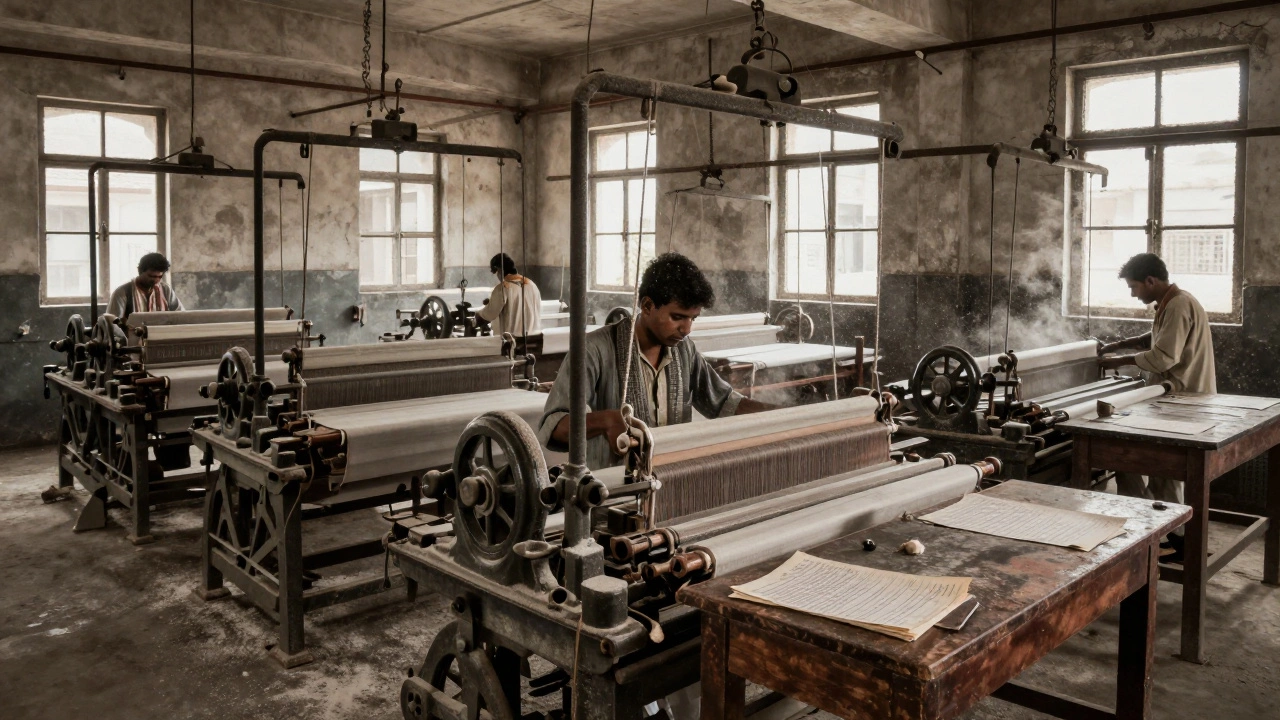
Walk into a medium-sized textile mill in Ludhiana or Tirupur, and you'll often find machines that have been running for decades. Many owners are hesitant to invest in new tech because the upfront cost of Automation is staggering. When a factory in Vietnam uses the latest AI-driven cutting machines to reduce fabric waste to nearly zero, an Indian mill using manual cutting simply can't compete on price.
This isn't just about buying a new machine; it's about the entire ecosystem. Modern Industry 4.0 standards require digital integration from the loom to the warehouse. Most Indian units are still using paper logs and manual inventory tracking. This lack of digitalization leads to massive delays in the supply chain, making it hard for Indian manufacturers to meet the tight deadlines required by "fast fashion" giants like Zara or H&M.
The Fragmentation Trap
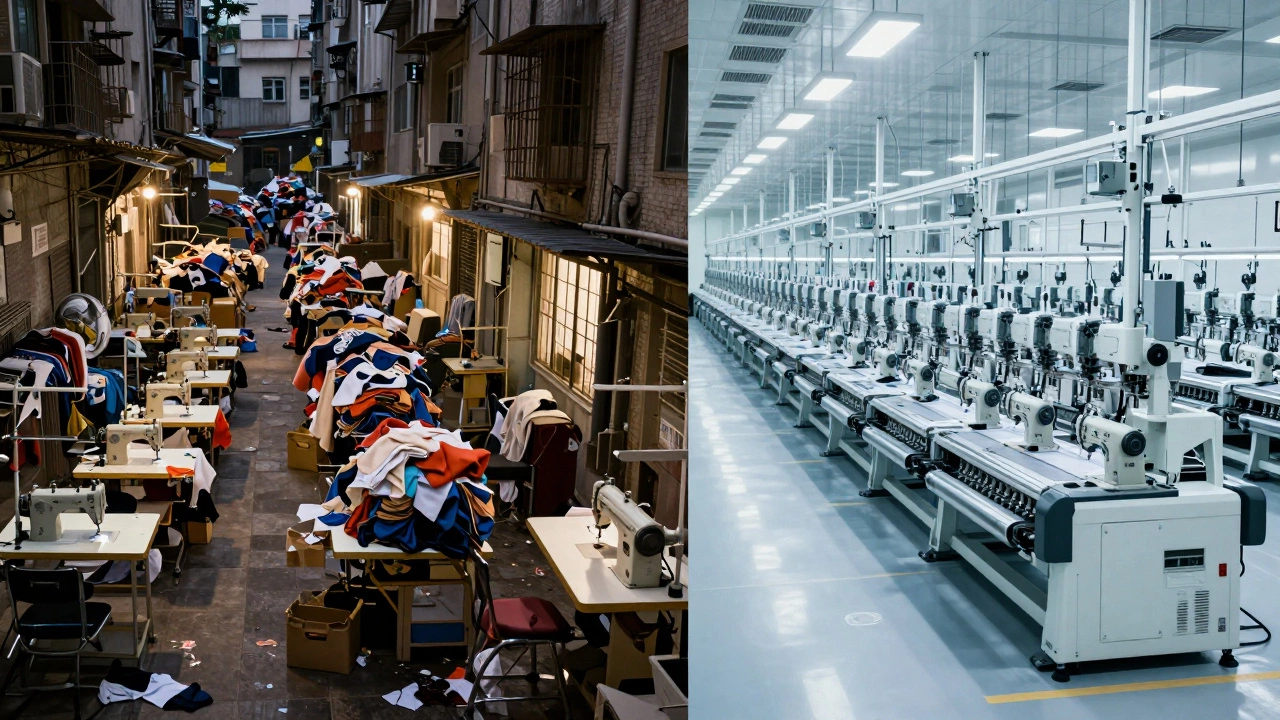
India's textile sector is a sea of small players. We have thousands of micro-enterprises and MSMEs (Micro, Small and Medium Enterprises) that operate in silos. While this creates a lot of local employment, it's a nightmare for global buyers. If a US brand wants 1 million t-shirts by next month, they don't want to coordinate with 50 small workshops; they want one massive factory that can guarantee quality and timing.
This fragmentation creates a 'missing middle.' We have tiny workshops and a few massive conglomerates, but very few mid-sized factories that are efficient and scalable. This structural weakness means that even though India produces a huge amount of Cotton, we often export the raw fiber or yarn and then import the finished high-value garments. We are essentially selling the ingredients cheaply and buying back the cake at a premium.
| Factor | India | Vietnam / Bangladesh | Impact on Growth |
|---|---|---|---|
| Unit Size | Highly Fragmented | Large Integrated Hubs | Lower scalability in India |
| Tech Adoption | Slow/Manual | High Automation | Higher waste and cost in India |
| Trade Agreements | Limited FTAs | Strong Preferential Access | Higher tariffs for Indian goods |
| Labor Model | Mixed/Unorganized | Streamlined Industrial Zones | Inconsistent quality control |
The Trade Policy Blindspot
It's not just about what happens inside the factory; it's about how the goods get to the customer. For years, India has lagged in signing Free Trade Agreements (FTAs). While Bangladesh enjoys duty-free access to the EU for many of its exports, Indian textiles often face higher import tariffs. When a buyer in Europe sees a shirt from Bangladesh that is 10% cheaper simply because of a tax treaty, the Indian manufacturer loses the contract regardless of the quality of the fabric.
Furthermore, the internal bureaucracy around GST (Goods and Services Tax) and textile refunds has historically been a headache for small manufacturers. The time it takes to get a tax refund can kill the cash flow of a small business, forcing them to take high-interest loans from private lenders just to keep the lights on.
The Sustainability Crisis and 'Green' Pressure
The world is moving away from cheap, disposable clothing. Concepts like Circular Economy and sustainable sourcing are now mandatory for big brands. India's textile industry, particularly the dyeing and printing sectors, has a legacy of heavy pollution. Many factories in clusters like Tirupur or Surat struggle with water treatment and chemical runoff.
Global brands now demand certifications like GOTS (Global Organic Textile Standard) or OEKO-TEX. For an old-school manufacturer, upgrading a plant to be 'green' is an expensive nightmare. Those who can't afford the transition are being phased out of the global supply chain. It's a harsh reality: if you can't prove your cotton was grown without toxic pesticides and your water was treated, the biggest buyers in the world simply won't talk to you.
The Labor Paradox: Costs vs. Skills
There is a common myth that India's labor is 'cheap.' While wages are lower than in the West, the cost of *productive* labor is rising. We are seeing a strange gap where there are plenty of unskilled workers but a severe shortage of technicians who can operate Computerized Numerical Control (CNC) machines or manage digital pattern-making software.
Younger generations are also moving away from the grueling environment of textile mills. They'd rather work in delivery services or retail than spend 12 hours a day in a noisy, dusty weaving shed. This labor flight, combined with the lack of vocational training, means that even when a company *does* buy new machinery, they often can't find anyone to run it properly, leading to expensive equipment sitting idle or being misused.

Can the Industry Pivot?
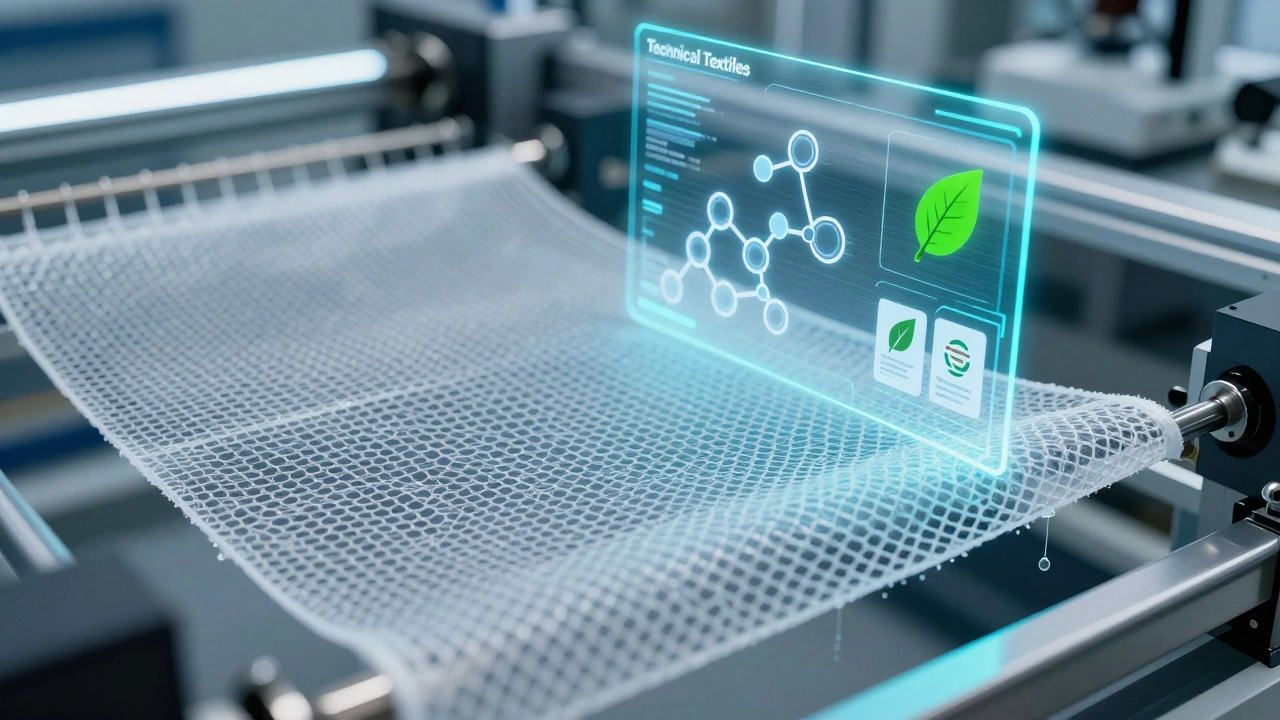
The decline isn't inevitable, but it requires a total shift in strategy. Moving from 'volume' to 'value' is the only way out. Instead of trying to beat Bangladesh at making basic t-shirts, India needs to lean into Technical Textiles-fabrics used in healthcare, automotive, and aerospace. These are high-margin products that require the engineering expertise India already has in other sectors.
The government's PLI Scheme (Production Linked Incentive) is a step in the right direction, encouraging the creation of larger, integrated parks. But the real victory will happen when the thousands of small workshops stop fighting each other and start forming cooperatives to share expensive tech and logistics. Only by aggregating their power can they survive the onslaught of global fast fashion.
Is the Indian textile industry completely dead?
No, it's not dead, but it's in a state of painful transition. While traditional garment manufacturing is struggling, sectors like technical textiles and sustainable ethnic wear are actually growing. The 'decline' is mostly seen in the low-end, mass-market apparel sector where India is being outpriced by competitors.
Why is Vietnam performing better than India?
Vietnam has focused on large-scale integrated factories and aggressive trade deals (like the EVFTA with the EU). Their infrastructure is more streamlined, and their factories are generally more automated, allowing them to produce higher volumes with better consistency and lower waste than India's fragmented workshop model.
What are 'Technical Textiles' and why do they matter?
Technical textiles are fabrics engineered for functionality rather than aesthetics. Examples include medical implants, fire-resistant clothing for firefighters, and geotextiles for road construction. Because these require high precision and engineering, they command much higher prices and have less competition than standard clothing.
Will the PLI scheme actually help small weavers?
The PLI scheme primarily targets larger players who can scale up production. However, small weavers can benefit indirectly if these larger hubs create a more efficient supply chain and provide better market access. For a direct impact, small weavers need different, localized support like credit clusters and digital marketing tools.
Does the shift to organic cotton help Indian manufacturers?
Yes, it's a huge opportunity. India is one of the largest producers of organic cotton. By moving toward certified sustainable production, Indian manufacturers can attract premium global brands that are willing to pay more for ethically sourced, eco-friendly fabrics.
Next Steps for Manufacturers
If you are running a textile business, the first move is a digital audit. Stop guessing your waste percentages and start tracking them with basic software. Look into forming a cluster or cooperative with nearby manufacturers to share the cost of a high-end machine or a shared quality-control lab.
For those looking to expand, pivot toward niche markets. Instead of competing on price for basic cotton shirts, explore antimicrobial fabrics for hospitals or UV-resistant gear for outdoor work. The future of the industry isn't in making more clothes, but in making smarter, more sustainable fabrics that the world is actually willing to pay for.