
Vehicle Eligibility & Compliance Checker
Quick Summary of the 15-Year Rule
- Petrol Vehicles: Generally face scrutiny/scrapping after 15 years in the National Capital Region (NCR).
- Diesel Vehicles: Strictly banned after 10 years in the NCR.
- The Goal: Reduce urban smog and promote the vehicle scrapping policy to recycle steel and aluminum.
- The Solution: Get a fitness certificate to extend registration or scrap the vehicle for a financial incentive.
What exactly is the 15-year car rule?
To put it simply, the 15-year rule is a set of guidelines enforced by the National Green Tribunal (NGT) and the Ministry of Road Transport and Highways. The NGT is an Indian judicial body established to handle environmental disputes and protect the natural environment. In the NCR-which includes Delhi, Gurugram, Noida, and Ghaziabad-the rule is quite brutal: petrol and CNG vehicles cannot ply once they hit the 15-year mark, and diesel vehicles are cut off at 10 years.
Outside the NCR, the rules are slightly more relaxed, but the central government's Vehicle Scrapping Policy is now creating a nationwide standard. This policy aims to phase out "end-of-life vehicles" (ELVs) that no longer meet safety or emission standards. If your car fails a fitness test after 15 years, you're basically told to scrap it or pay a heavy "green tax" to keep it on the road for a limited time.
Why is the government doing this?
It's not just about making you buy a new car. Older engines, especially those from the early 2000s, lack the efficiency of modern BS-VI (Bharat Stage 6) emission standards. A single 20-year-old diesel engine can emit as much particulate matter as ten modern cars. By forcing these vehicles off the road, the government reduces smog levels in densely populated cities.
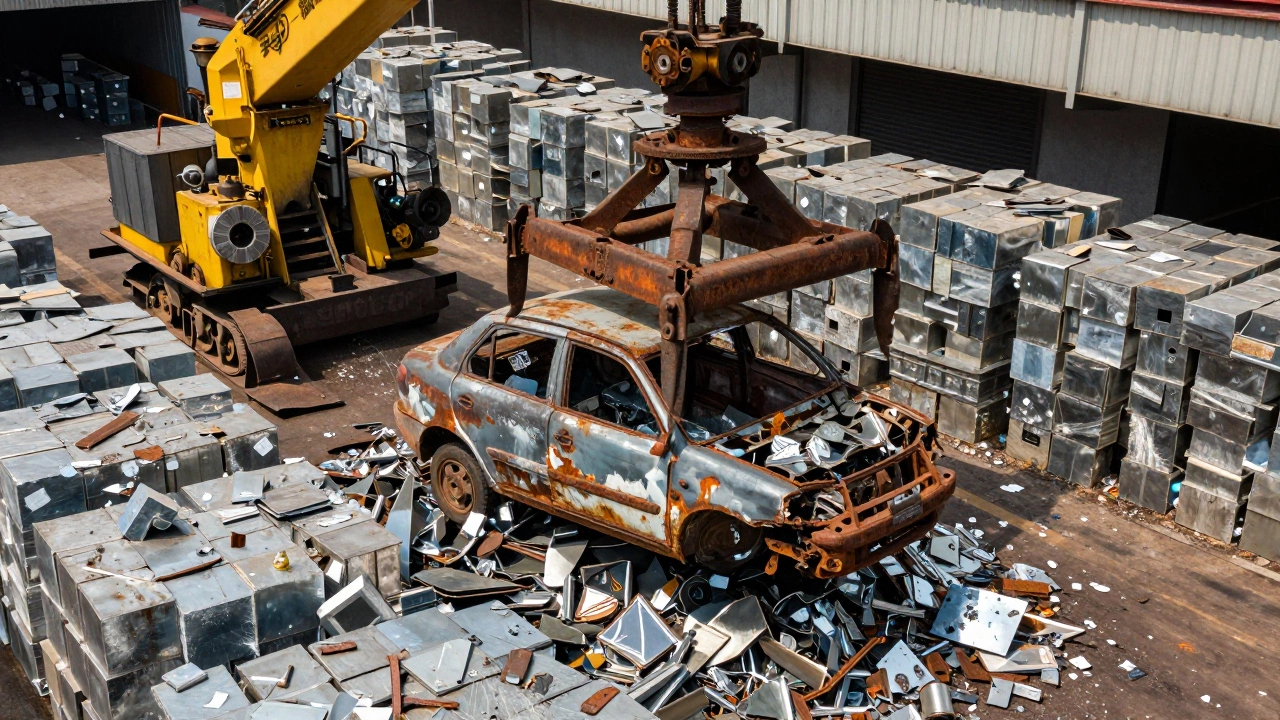
There is also a massive industrial play here. When you scrap a car at a Registered Vehicle Scrapping Facility (RVSF), the materials are broken down. This provides a steady stream of recycled steel and aluminum for the Automobile Manufacturing sector, reducing the need for mining and importing raw ores. It's a circular economy move that benefits the treasury and the environment.
How to tell if your car is actually affected
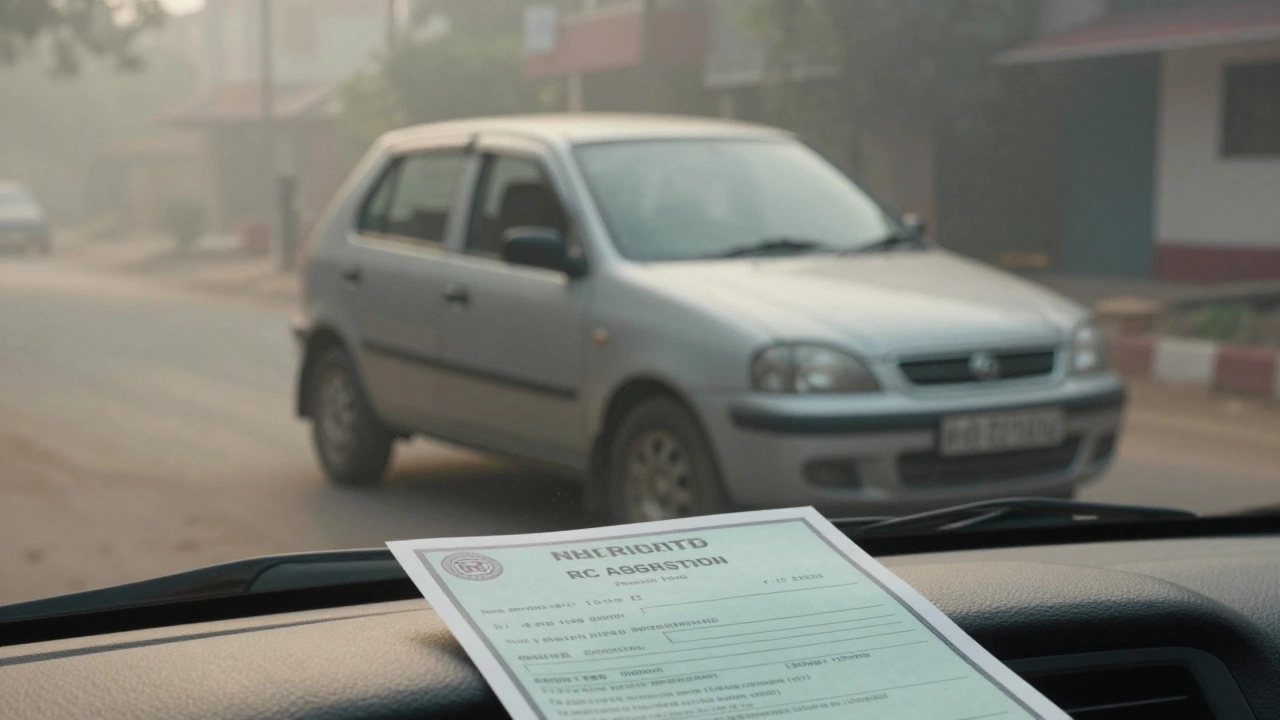
Not every car is treated the same. Your fate depends on where you live and what's under the hood. If you live in a small town in Kerala or a village in Bihar, the NGT's strict 10/15-year deadline doesn't apply to you in the same way it does to someone in Delhi. However, you will still encounter the Registration Certificate (RC) expiry.
In India, an RC is typically valid for 15 years. Once it expires, you must apply for a renewal. To get this renewal, your car must pass a fitness test. If the car is a "classic" or in pristine condition, you might get an extension. But for most average cars, the cost of repairing the vehicle to meet current emission norms is often higher than the car's actual market value.
| Vehicle Type | NCR Region Limit | Other Regions | Primary Action Required |
|---|---|---|---|
| Petrol/CNG | 15 Years | RC Renewal at 15y | Fitness Test / Green Tax |
| Diesel | 10 Years | RC Renewal at 15y | Scrapping or Fitness Test |
| Electric (EV) | No current limit | RC Renewal at 15y | Standard Fitness Test |
The process of renewing your RC after 15 years
If you're outside the NCR and want to keep your beloved old car, you have to go through the Parivahan portal. Parivahan is the centralized digital platform managed by the Ministry of Road Transport and Highways for all vehicle-related services in India.
- Apply for Fitness: You must book an appointment for a vehicle fitness test.
- Physical Inspection: An officer checks the chassis number, engine condition, and brake efficiency.
- Emission Test: Your car must pass a pollution check. If it's leaking oil or billowing black smoke, you'll fail instantly.
- Pay the Green Tax: This is a penalty-like tax for older vehicles that you pay to the RTO (Regional Transport Office).
- Receive New RC: If all goes well, your registration is extended, usually for another 5 years.
What happens if you scrap your car?
The government is trying to make scrapping more attractive than selling your old car to a local "kabadiwala" (scrap dealer). If you use a government-authorized scrapping center, you get a Certificate of Deposit. This certificate is a golden ticket that gives you several perks:
- Discount on New Car: Many manufacturers offer a discount (often 5% or more) if you show a scrapping certificate.
- Road Tax Waiver: Some states waive or reduce the registration tax on your new vehicle.
- Fair Market Value: You get a price based on the weight of the metal, which is often higher than what a private second-hand buyer would pay for a 15-year-old car.
Common pitfalls and mistakes to avoid
One big mistake people make is buying a used car that is 12 or 13 years old in the NCR. You might get it for a steal, but you're essentially buying a ticking time bomb. In two years, that car becomes illegal to drive, and its resale value will plummet to the price of scrap metal.
Another pitfall is ignoring the Fitness Certificate. Some owners think as long as they have insurance, they are fine. But insurance is useless if the police impound your car because the RC has expired. Always check the date on your RC and start the renewal process at least three months before it expires to avoid heavy fines.
The future of old cars in India
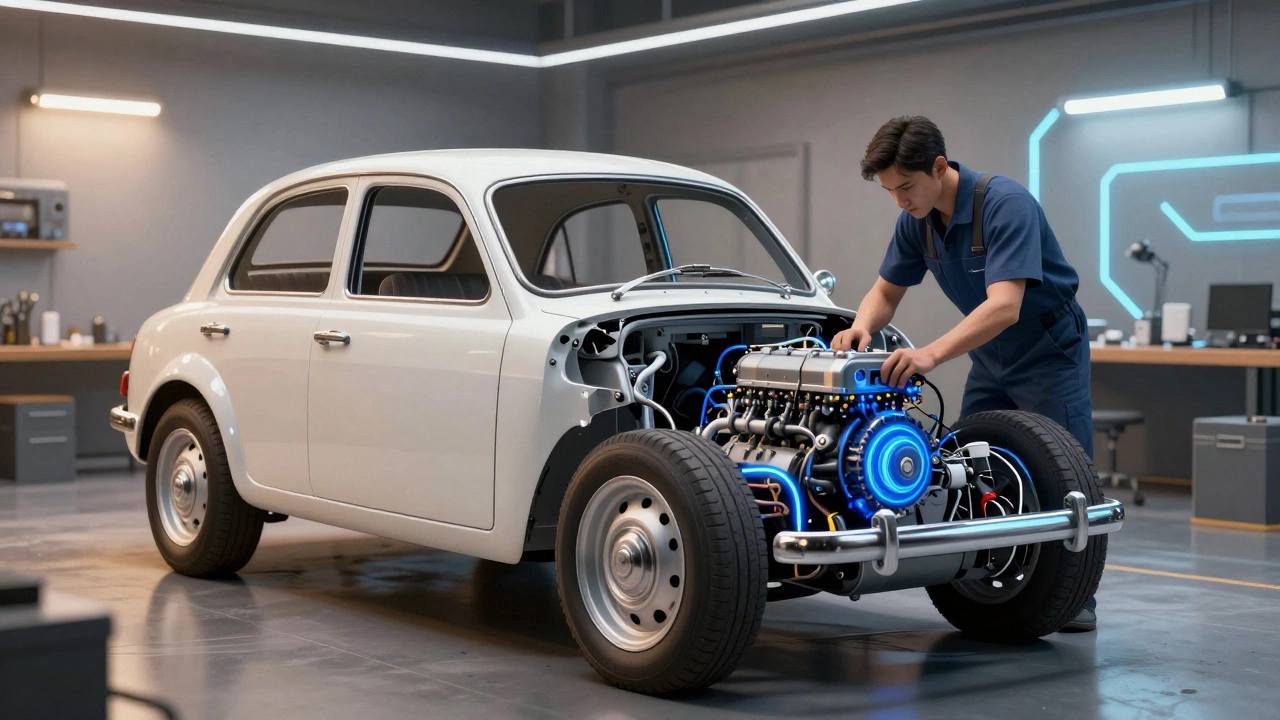
We are moving toward a world where Electric Vehicles (EVs) will be the norm. The 15-year rule is a catalyst to speed up this transition. While it feels harsh to car owners, the shift toward Sustainable Transport is inevitable. We are seeing more "retrofitting" kits enter the market, where people replace an old petrol engine with an electric motor. While this is legally a grey area in some states, it's becoming a popular way to save a classic car body from the crusher.
Can I move my 15-year-old car from Delhi to another state to avoid the ban?
Yes, this is a common practice. If you move the car to a state where the NGT ban isn't enforced (like Rajasthan or Himachal Pradesh) and get a new registration there, you can continue to drive it. However, you must obtain a No Objection Certificate (NOC) from the Delhi RTO first.
Is there any exemption for vintage cars?
Yes. Cars that are officially registered as "Vintage" by the RTO are usually exempt from these age-based bans. However, vintage cars have strict rules: they cannot be used for daily commuting and are mostly allowed for exhibitions or occasional drives.
What is the penalty for driving a car with an expired RC?
Penalties vary by state, but you can face heavy fines and the immediate impounding of your vehicle. More importantly, if you have an accident in a car with an expired RC, your insurance company will likely reject the claim, leaving you liable for all damages.
Do I have to scrap my car if it's in great condition?
Outside the NCR, no. If your car passes the fitness test and you pay the required green tax, you can renew the RC. Inside the NCR, however, the rule is based on age, not condition. Even a showroom-condition 16-year-old petrol car is legally banned from the roads.
How do I find an authorized scrapping center?
You can find a list of Registered Vehicle Scrapping Facilities (RVSF) on the official Parivahan website. It's crucial to use a registered center to ensure you get the Certificate of Deposit, which is required to claim discounts on new vehicles.
Next Steps and Troubleshooting
If you own a car approaching 15 years: Check your RC date immediately. If you're in the NCR, start looking for a new vehicle or look into the NOC process for moving the car to another state. If you're outside the NCR, schedule a pre-inspection with a trusted mechanic to ensure your car will pass the fitness test.
If your fitness test was rejected: Don't panic. The RTO usually gives you a window to fix the issues (like fixing oil leaks or replacing worn-out tires) and re-apply. If the engine is beyond repair, this is the perfect time to explore the scrapping policy to maximize your financial return.