
Small Manufacturing Success Rate & Niche Analyzer (2026)
Use this tool to calculate your potential startup capital range and identify the best manufacturing niche based on your skills and resources.
Recommended Niche
Why It Fits:
Estimated Startup Cost:
Most people think starting a factory is a gamble. You buy expensive machines, rent a warehouse, and hope someone buys your product. It’s scary. But what if I told you that some small manufacturing businesses have success rates that rival established service industries? The secret isn’t luck. It’s picking the right niche where demand is high, entry costs are manageable, and competition isn’t dominated by giants.
In 2026, the landscape of small-scale manufacturing has shifted. Automation tools are cheaper, supply chains are more transparent, and consumers crave personalized, locally made goods. This means you don’t need to build the next smartphone to succeed. You just need to solve a specific problem for a specific group of people using physical products.
The Truth About Manufacturing Success Rates
Let’s clear up a myth first. There is no single "highest" success rate number that applies to all manufacturing. According to data from the U.S. Small Business Administration (SBA) and similar bodies in Europe, about 20% of small businesses fail within the first two years. However, this average hides huge variations. Service businesses often have higher failure rates due to low barriers to entry. Manufacturing, while capital-intensive, tends to have stickier customers and higher margins once you find your footing.
The businesses with the highest survival rates share three traits:
- Recurring Revenue Models: They sell consumables or parts that need replacing.
- Niche Specialization: They serve a specific industry rather than the general public.
- Low Inventory Risk: They make-to-order or use raw materials that don’t expire quickly.
If you’re looking for stability, ignore the flashy trends. Look at the boring stuff that keeps the world running. That’s where the money-and the safety-is.
Top 5 Small Manufacturing Niches with High Survival Rates
Based on current market trends, profit margins, and barrier-to-entry analysis, here are five manufacturing sectors where small players thrive.
1. Custom Packaging and Labeling
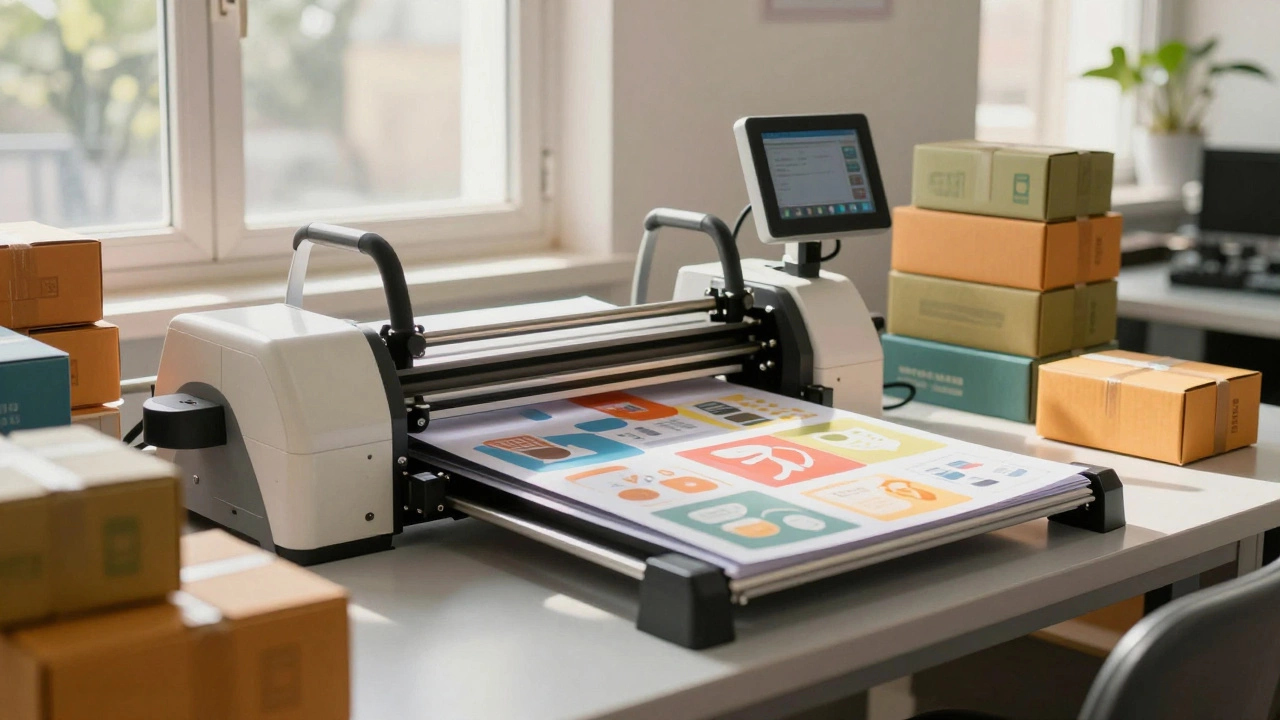
Every product needs a box, a bag, or a label. With the explosion of e-commerce, brands are desperate for unique packaging that stands out on social media. Large printers often ignore small orders because they aren’t profitable for them. This leaves a massive gap for small workshops.
You don’t need a massive printing press. Modern digital die-cutters and label printers can be set up in a garage or small studio. The key is speed and customization. If a local skincare brand needs 500 custom boxes tomorrow, they’ll pay a premium to you, not wait six weeks for a giant overseas supplier.
2. Food Processing and Specialty Snacks
People always eat. But they don’t want generic food anymore. They want gluten-free, keto, vegan, or locally sourced options. Small-scale food processing allows you to create high-margin specialty products. Think artisanal hot sauces, frozen meal kits, or organic granola bars.
The success rate here is high because food is a consumable. Once a customer likes your sauce, they buy it again every month. The challenge is regulation. You must follow strict health codes. But if you navigate the licensing process correctly, the recurring revenue model protects you from dry spells.
3. CNC Machining and Prototyping Services
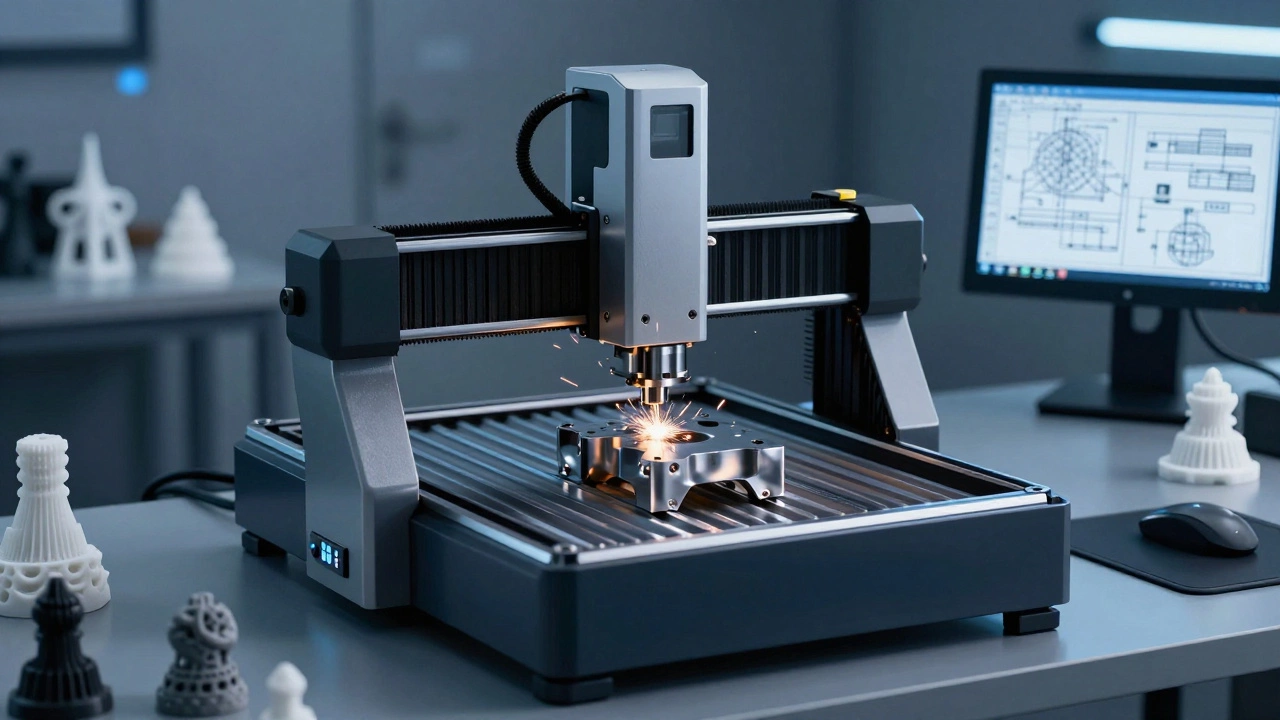
This is the backbone of modern manufacturing. Many larger companies outsource their small-batch production or prototype runs to smaller shops. You don’t need to design the part; you just need to machine it. With affordable CNC routers and 3D printers, you can offer rapid prototyping services to engineers, architects, and other manufacturers.
This model works well because you’re selling expertise and precision, not just raw material. Clients pay for accuracy and speed. It’s a B2B (business-to-business) model, which means contracts are often longer and payments are more reliable than dealing with individual consumers.
4. Textile and Apparel Accessories
Forget trying to compete with fast fashion giants on t-shirts. Instead, focus on accessories. Leather wallets, custom hats, backpacks, or specialized workwear. These items have higher perceived value and lower return rates than clothing. Plus, materials like leather and heavy canvas age well, allowing you to charge a premium for durability.
Manchester, where I’m based, has a rich history in textiles. Even today, there’s a strong market for high-quality, locally made fabric goods. By focusing on craftsmanship, you attract customers who value quality over price. These customers are less likely to churn.
5. Plastic Molding for Industrial Parts
Plastic injection molding might sound complex, but small-scale desktop injection molders are now available. These machines allow you to produce small plastic components-like knobs, casings, connectors, or medical device parts-in small batches. Industries like healthcare, automotive, and electronics constantly need replacement parts that big factories won’t bother making in small quantities.
This is a high-skill, high-reward niche. The initial learning curve is steep, but once you master the process, you become indispensable to larger supply chains.
Comparison: Which Niche Fits Your Profile?
Not every business idea fits every person. Here’s a breakdown to help you decide based on your resources and skills.
| Niche | Startup Cost | Skill Level Required | Primary Customer | Risk Factor |
|---|---|---|---|---|
| Custom Packaging | Low ($5k-$15k) | Medium (Design + Tech) | E-commerce Brands | Low |
| Food Processing | Medium ($10k-$30k) | High (Regulations) | Retailers / Direct Consumers | Medium |
| CNC Machining | High ($20k-$50k+) | Very High (Technical) | B2B / Engineers | Low |
| Textile Accessories | Low ($2k-$8k) | Medium (Craftsmanship) | Direct Consumers | Medium |
| Plastic Molding | Medium ($15k-$40k) | High (Engineering) | Industrial Firms | Low |

Why Small Scale Wins in 2026
The trend toward "nearshoring" and "localizing" is accelerating. Consumers and businesses are tired of long supply chain delays. They want products made nearby, with shorter lead times and better communication. Small manufacturers excel here. You can answer emails instantly. You can rush an order. You can customize a batch without retooling a massive assembly line.
Technology has leveled the playing field. Cloud-based inventory management, AI-driven demand forecasting, and digital marketing tools mean a one-person shop can operate with the efficiency of a mid-sized company. You don’t need a large team to manage logistics; you need smart software.
Pitfalls to Avoid for Higher Success
Even the best niches can fail if you make common mistakes. Here’s how to protect your business:
- Underpricing: Don’t race to the bottom. Calculate your true cost per unit, including labor, overhead, and waste. Charge for your expertise.
- Ignoring Cash Flow: Manufacturing ties up cash in inventory and equipment. Keep a buffer. Offer incentives for early payment.
- Scaling Too Fast: Resist the urge to buy bigger machines before you have consistent orders. Grow organically.
- Skipping Legal Compliance: Whether it’s food safety, environmental regulations, or business licenses, get it right from day one. Fines can kill a small business overnight.
Steps to Launch Your High-Success Manufacturing Business
Ready to start? Follow this roadmap to minimize risk and maximize your chances of success.
- Validate Your Idea: Talk to potential customers before buying any equipment. Ask if they’d pay for your proposed product. Get letters of intent if possible.
- Start Small: Buy used equipment or lease machinery. Test your process with minimal investment.
- Build a Portfolio: Create samples. Take high-quality photos. Show off your craftsmanship or precision.
- Network Locally: Attend trade shows, join local business chambers, and connect with suppliers. Relationships drive referrals in manufacturing.
- Focus on One Product First: Master one item before expanding your line. Depth beats breadth when you’re starting out.
Conclusion: It’s About Fit, Not Just Profit
The small manufacturing business with the highest success rate is the one that matches your skills, resources, and passion. If you love working with your hands and solving technical problems, CNC machining might be perfect. If you’re creative and understand branding, custom packaging could be your goldmine. There is no magic bullet, but there are proven paths.
By choosing a niche with recurring demand, low inventory risk, and a clear target audience, you stack the odds in your favor. In 2026, the future of manufacturing belongs to the agile, the specialized, and the local. Start small, stay focused, and build something real.
What is the easiest small manufacturing business to start?
Custom packaging and textile accessories are generally considered the easiest to start. They require relatively low upfront investment in equipment and have fewer regulatory hurdles compared to food processing or chemical manufacturing. Digital cutters and sewing machines are affordable and easy to learn.
Do small manufacturing businesses have better success rates than online stores?
Often, yes. While online stores face intense competition and rely heavily on paid advertising, manufacturing businesses build moats through specialized skills, proprietary processes, and physical assets. Customers switching away from a manufacturer usually face higher switching costs, leading to greater retention.
How much capital do I need to start a small manufacturing business?
It varies widely. You can start a custom packaging or accessory business with as little as $5,000 to $10,000. More technical fields like CNC machining or plastic molding may require $20,000 to $50,000 or more for reliable equipment. Always budget extra for marketing and initial raw materials.
Is food processing a risky business for beginners?
Food processing carries moderate risk due to strict health and safety regulations. However, the demand is constant. To mitigate risk, start with non-perishable items like spices, dried goods, or shelf-stable sauces. Ensure you fully understand local licensing requirements before launching.
Can I run a manufacturing business from home?
Yes, many small manufacturing businesses operate from home workshops or garages. This includes custom packaging, jewelry making, woodworking, and small-batch food processing (where permitted). Check local zoning laws to ensure your activities are allowed in residential areas.