
Food Truck Profitability Calculator
Menu Item Details
Enter the details of a specific dish to analyze its profitability.
Analysis Results
Enter cost and price above to see your margins.
Starting a food truck business is often romanticized as a freedom-filled journey of cooking on wheels. The reality, however, is a tightrope walk between overhead costs and slim profit margins. If you want to survive the first year and actually make money, you cannot just serve what you love; you must serve what sells at a healthy markup. The most profitable thing to sell in a food truck isn't necessarily the most complex dish-it’s the one with the highest gross margin and the fastest turnover rate.
When analyzing successful mobile food vendors, a clear pattern emerges. The winners aren't the ones with the biggest kitchens or the most expensive ingredients. They are the operators who have mastered unit economics. They know exactly how much every gram of cheese costs and how many units they need to move before lunch rush ends. For those looking to understand the broader landscape of independent service providers and niche markets, resources like this directory offer insights into how specialized businesses manage bookings and client expectations, a lesson that translates surprisingly well to managing peak hours in a confined kitchen space.
The Golden Rule: Low Food Cost Percentage
To determine profitability, you need to look at your food cost percentage. This is the ratio of the cost of ingredients to the selling price. A standard restaurant aims for 28-35%. In a food truck, where rent is lower but equipment depreciation and fuel are higher, you should aim for a food cost below 25% to be safe. This means if a plate costs you £2.50 to make, it needs to sell for at least £10.00 to hit that 25% mark. Anything higher than 25% eats into your net profit quickly, especially when you factor in labor, permits, and insurance.
This metric changes everything about how you design your menu. It pushes you away from expensive proteins like steak or lobster and toward ingredients that are cheap to buy but perceived as high value by customers. Carbohydrates, vegetables, and condiments become your best friends. They provide volume, satiety, and flavor without breaking the bank. The goal is to create a perception of abundance while maintaining strict control over input costs.
Top 5 Most Profitable Food Categories
Based on current market trends and ingredient pricing in 2026, certain categories consistently outperform others in terms of margin and speed. Here are the top contenders for the most profitable food truck items:
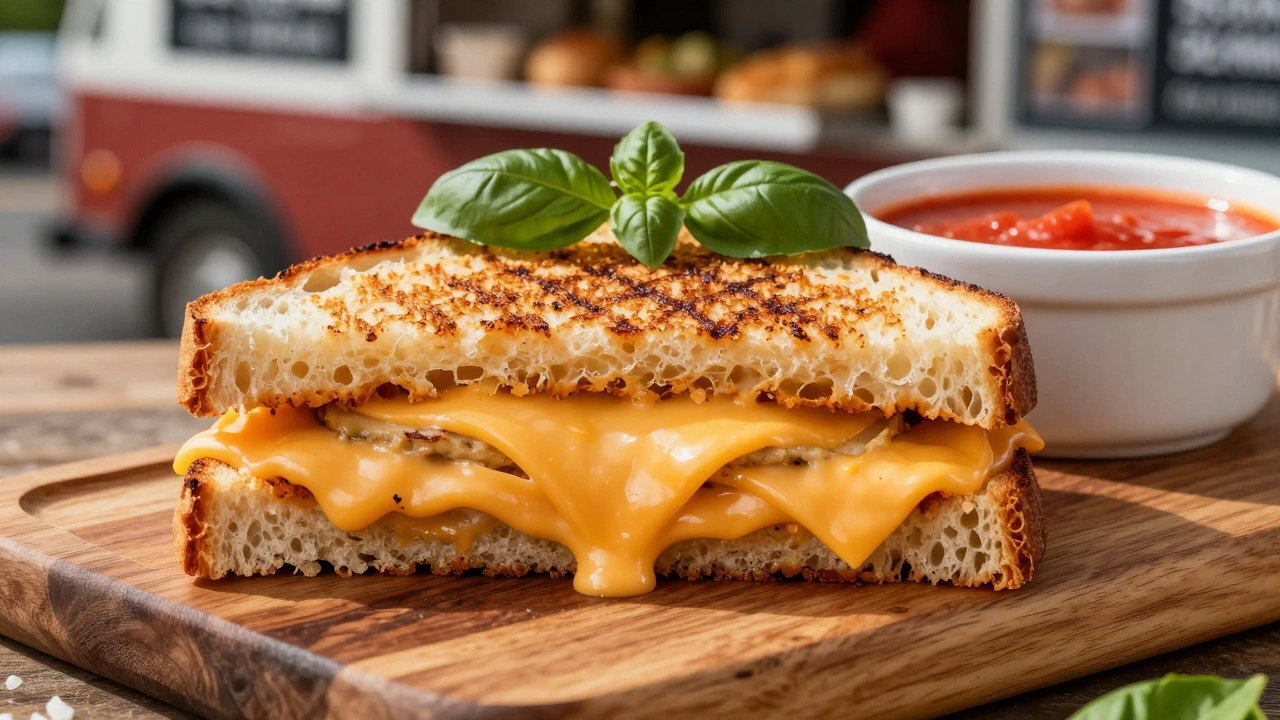
- Gourmet Grilled Cheese & Sandwiches: Bread and cheese are incredibly cheap. Even using premium artisanal bread and aged cheddar, the cost per unit remains low. You can charge £8-£12 for a sandwich that costs £1.50-£2.50 to produce. Add-ons like bacon or avocado increase the price point significantly with minimal additional effort.
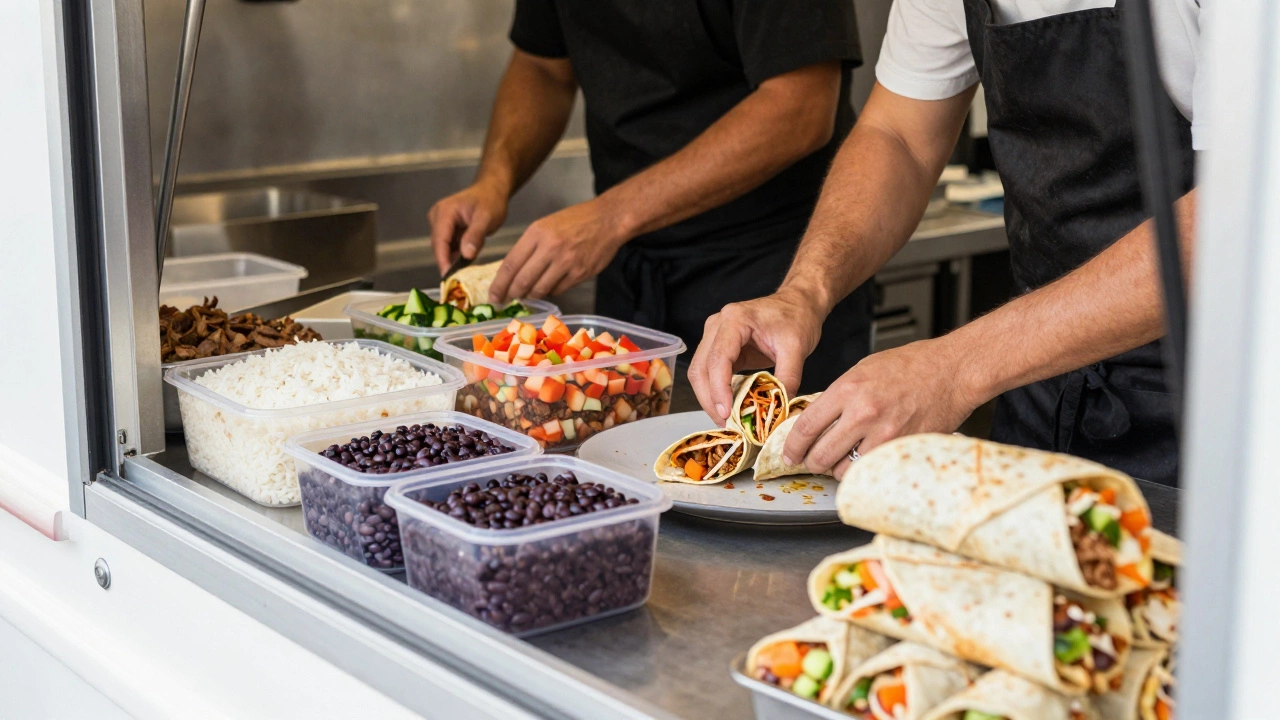
- Burritos and Tacos: Rice and beans are the ultimate high-margin staples. They fill up customers for pennies. Meat can be stretched with spices and sauces. A burrito might cost £2.00 in ingredients but sells for £9.00. The assembly line nature of tacos also allows for rapid service during peak hours, increasing total sales volume.
- Pizza (Flatbread or Slice): Dough is flour, water, yeast, and salt-extremely inexpensive. Sauce is mostly tomatoes and herbs. Cheese is the main cost driver, but even then, the margins are fantastic. Selling slices allows for impulse buys and lower entry prices, while whole flatbreads command higher ticket sizes.
- Fried Chicken or Wings: Chicken is generally more affordable than beef or pork. When sold as wings or tenders, the portion size looks large due to bone structure and frying batter. Customers perceive fried chicken as a hearty meal, allowing for premium pricing alongside fries and dipping sauces.
- Smoothies and Fresh Juice: If you operate in warmer months or near gyms, this category offers near-instant preparation. Frozen fruit blends reduce waste and cost. The perceived health benefit allows for higher pricing, and the lack of hot cooking equipment reduces energy bills and fire safety risks.
Why Simplicity Drives Profit
Complexity is the enemy of profit in a mobile kitchen. Every additional ingredient increases the risk of spoilage, waste, and inventory mismanagement. A menu with 20 items requires stocking 20 different protein sources, 15 types of vegetables, and countless sauces. This leads to "shrink"-food that goes bad before it can be sold. Shrink directly kills your bottom line.
The most profitable trucks often have a menu of 3 to 5 core items. This simplicity allows you to buy in bulk, reducing per-unit costs through economies of scale. It also speeds up service. When customers don’t have to think too hard about their order, the queue moves faster. Faster queues mean more transactions per hour. If you can serve 100 customers in two hours instead of 60, your revenue doubles even if the average ticket size stays the same.
Strategic Pricing Psychology
How you present prices matters as much as the numbers themselves. Use charm pricing, ending prices in .99 or .95. A burger priced at £9.99 feels significantly cheaper than £10.00, even though the difference is negligible. Additionally, use decoy pricing. Offer three sizes: Small (£7), Medium (£9), and Large (£10). The Large becomes the obvious value choice, pushing customers to spend more while feeling smart. The Medium exists only to make the Large look like a bargain.
Bundling is another powerful tool. Instead of selling a drink separately, create combo meals. The marginal cost of adding a soda or side salad is low, but it increases the average transaction value. Customers are more likely to spend £12 on a combo than £8 on a single item, boosting your total revenue without requiring extra marketing effort.
| Item Category | Avg. Ingredient Cost | Avg. Selling Price | Gross Margin % | Prep Speed |
|---|---|---|---|---|
| Gourmet Sandwich | £1.80 | £9.50 | 81% | Fast |
| Burrito | £2.10 | £9.00 | 77% | Medium |
| Pizza Slice | £0.90 | £3.50 | 74% | Very Fast |
| Chicken Wings (10pc) | £2.50 | £11.00 | 77% | Slow (Batch) |
| Steak Burger | £3.50 | £12.00 | 71% | Medium |
Location Dictates Menu Success
You cannot separate profitability from location. What sells well in a financial district during lunch may fail in a residential area at night. In business hubs, speed and convenience are king. People want something they can eat quickly and return to work. Salads, wraps, and sandwiches dominate here. In entertainment districts or nightlife areas, people are looking for indulgence. Fried foods, heavy burgers, and late-night snacks perform better because customers are less price-sensitive and more focused on experience.
Seasonality also plays a crucial role. Hot soups and stews sell well in winter, while cold noodles and salads thrive in summer. Adapting your menu to the weather ensures you’re always meeting demand. Don’t try to force ice cream sales in January or heavy chili in July. Flexibility keeps cash flow steady year-round.
Reducing Waste to Boost Profits
Waste is silent profit killer. Every piece of lettuce thrown away is money lost. To combat this, implement a "first-in, first-out" (FIFO) inventory system. Label all ingredients with dates and rotate stock accordingly. Use versatile ingredients across multiple menu items. For example, if you use cilantro in both your tacos and your salsa, you reduce the risk of it going unused. Plan your prep based on historical sales data, not guesses. If you know Tuesday afternoons are slow, prep less. Over-prepping leads to spoilage; under-prepping leads to missed sales.
Scaling Your Food Truck Business
Once you’ve nailed down a high-margin menu, consider scaling. This doesn’t always mean buying more trucks. It could mean franchising your brand, creating retail products like bottled sauces, or partnering with catering companies. Diversifying revenue streams protects you from fluctuations in foot traffic. A strong brand identity built on consistent quality and value will attract loyal customers who return repeatedly, lowering your customer acquisition costs over time.
Common Pitfalls to Avoid
Many new food truck owners fall into the trap of offering too many choices. A cluttered menu confuses customers and slows down operations. Stick to your strengths. Another common mistake is ignoring local regulations. Permits, health inspections, and zoning laws vary by city. Fines can wipe out months of profits. Research your local requirements thoroughly before launching. Finally, don’t underestimate the importance of social media. In 2026, visibility online is just as important as physical location. Post daily updates, engage with followers, and showcase your food visually to drive foot traffic.
What is the cheapest food to sell in a food truck?
The cheapest foods to sell are typically those based on carbohydrates and legumes, such as rice, beans, pasta, and potatoes. These ingredients have very low wholesale costs but can be prepared into satisfying meals. For example, a bowl of ramen or a plate of fries has a minimal ingredient cost compared to meat-heavy dishes.
How much profit do food trucks make annually?
Annual profits vary widely depending on location, menu, and operational efficiency. On average, successful food trucks can generate between £30,000 and £100,000 in net profit per year. However, this requires high volume sales and strict cost control. Newer trucks may break even or lose money in the first year as they build a customer base.
Is it better to sell drinks or food in a food truck?
Selling both is ideal, but drinks often have higher margins than food. Bottled beverages or simple fresh juices can have profit margins exceeding 80%. However, drinks alone rarely sustain a full-time business unless you are operating a dedicated coffee cart. Combining high-margin drinks with popular food items maximizes overall revenue.
What are the biggest expenses for a food truck?
The biggest expenses include vehicle purchase or lease, kitchen equipment installation, fuel, insurance, permits and licenses, food ingredients, and labor. Vehicle maintenance and parking fees can also add up unexpectedly. Proper budgeting for these fixed and variable costs is essential for long-term profitability.
How can I increase my food truck's average ticket size?
Increase average ticket size by offering combo meals, upsizing options, and suggesting add-ons like extra toppings or sides. Train staff to suggest upgrades politely. Bundling items encourages customers to spend more while perceiving greater value, which boosts your total sales without increasing operational complexity.