
IKEA India: Profitability Margin Estimator
Explore how the "India Adaptation" affects the bottom line compared to the global DIY model.
Product Settings
Operational Overheads
Financial Analysis
Strategic Insight
Cost Distribution
Quick Takeaways
- IKEA is focusing on market share and brand awareness over immediate net profit.
- Local sourcing rules (30% local procurement) have forced a shift in their supply chain.
- The "Omnichannel" approach-mixing giant stores with small city-center hubs-is their current bet.
- Cultural barriers, like the habit of buying furniture from local carpenters, remain a hurdle.
To understand if IKEA is making money, we first have to talk about how they operate. IKEA is a multinational conglomerate that designs and sells ready-to-assemble furniture, kitchen appliances, and home accessories. In India, they operate through Inter IKEA Systems B.V.. The core problem isn't the demand-Indians love modernizing their homes-it's the cost of doing business. Building massive stores like the one in Hyderabad or Navi Mumbai requires astronomical upfront capital for land and construction. These are "sunk costs" that take years, sometimes decades, to recover through furniture sales.
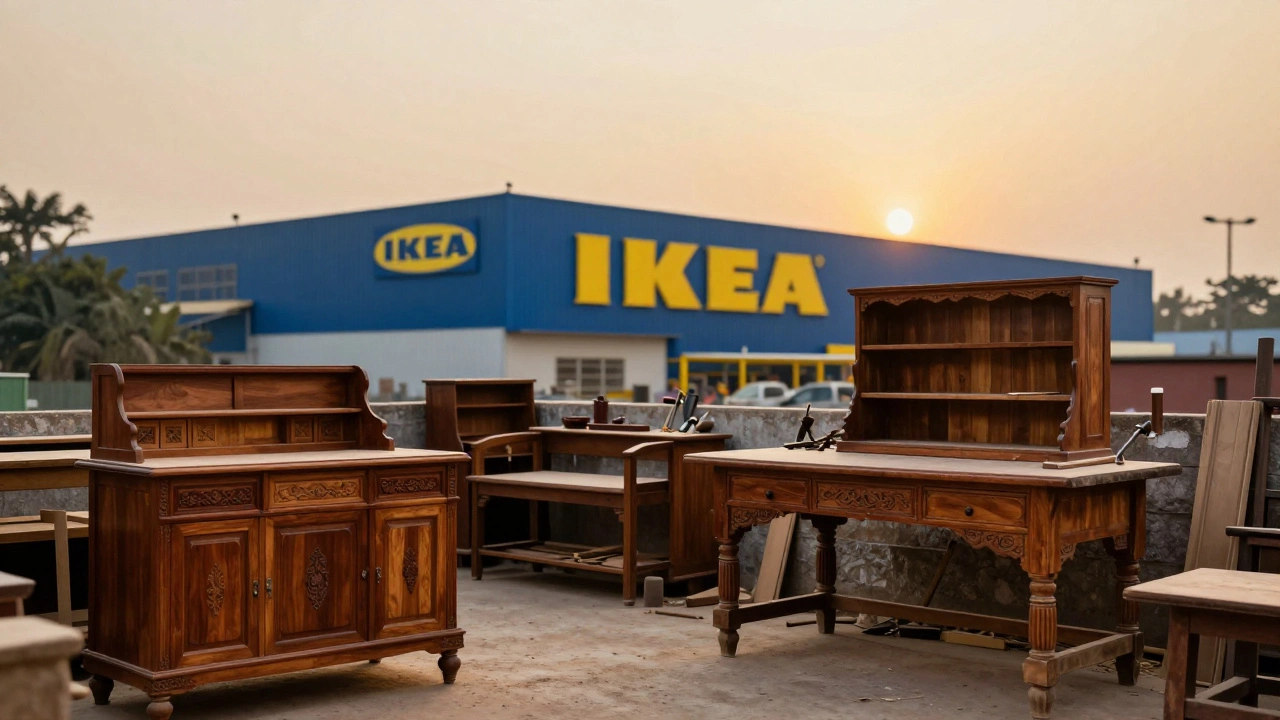
The Battle Against the Local Carpenter
In most Western countries, people buy furniture from a store. In India, there is a deeply ingrained culture of the "neighborhood carpenter." Why buy a flat-pack table from a warehouse when you can pay a local craftsman to build a heavy, solid teak wood bed that will last three generations? This is a massive psychological barrier. IKEA's products are often perceived as "temporary" or "lightweight" compared to traditional Indian furniture.
To fight this, IKEA has had to pivot. They aren't just selling a desk; they're selling the idea of "Democratic Design." This means making products that are sustainable, functional, and affordable. But here's the catch: the price point has to be incredibly low to attract the middle class, while the operational costs of running a 400,000-square-foot store are incredibly high. This squeeze on margins means that even if the stores are crowded, the actual profit per item might be thinner than in their European markets.
Sourcing and the 'Make in India' Pressure
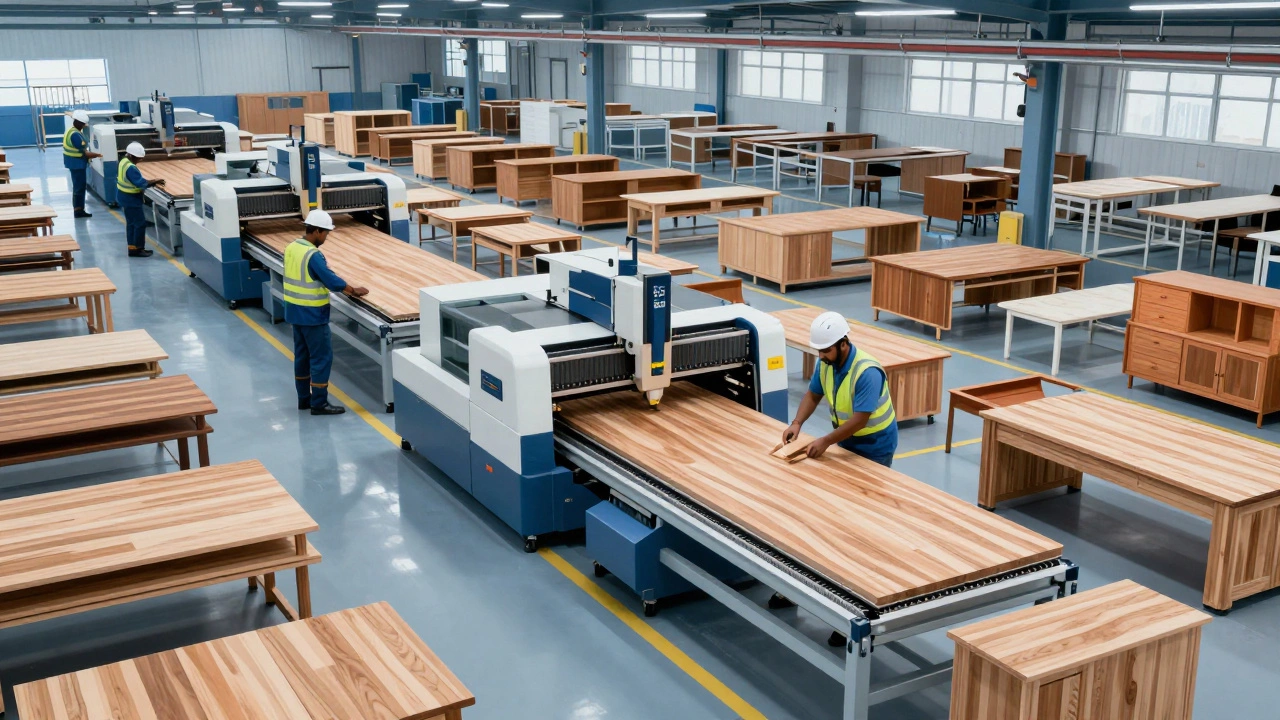
You can't just ship everything from Sweden or Poland. The Indian government has strict rules about local sourcing to support domestic industry. Under the Foreign Direct Investment (FDI) guidelines, single-brand retail entities must source a significant portion of their goods-roughly 30%-from local suppliers if they want to keep their operations seamless.
This is where Furniture Manufacturing in India comes into play. IKEA has had to help local factories upgrade their tech to meet Swedish quality standards. This is a massive investment. They aren't just buying chairs; they are essentially teaching Indian manufacturers how to make them. While this helps with long-term costs by reducing import duties, it's a huge drain on cash in the short term.
| Feature | Standard Global Model | The India Adaptation |
|---|---|---|
| Store Format | Huge Out-of-Town Warehouses | Mix of Blue-Box & City-Center Hubs |
| Delivery | Customer Pick-up (DIY) | Heavy Reliance on Home Delivery & Assembly |
| Sourcing | Global Supply Chain | Strict Local Sourcing Compliance |
| Product Focus | Standardized Global Catalog | Localized Pricing and Small-Space Solutions |
The Omnichannel Gamble
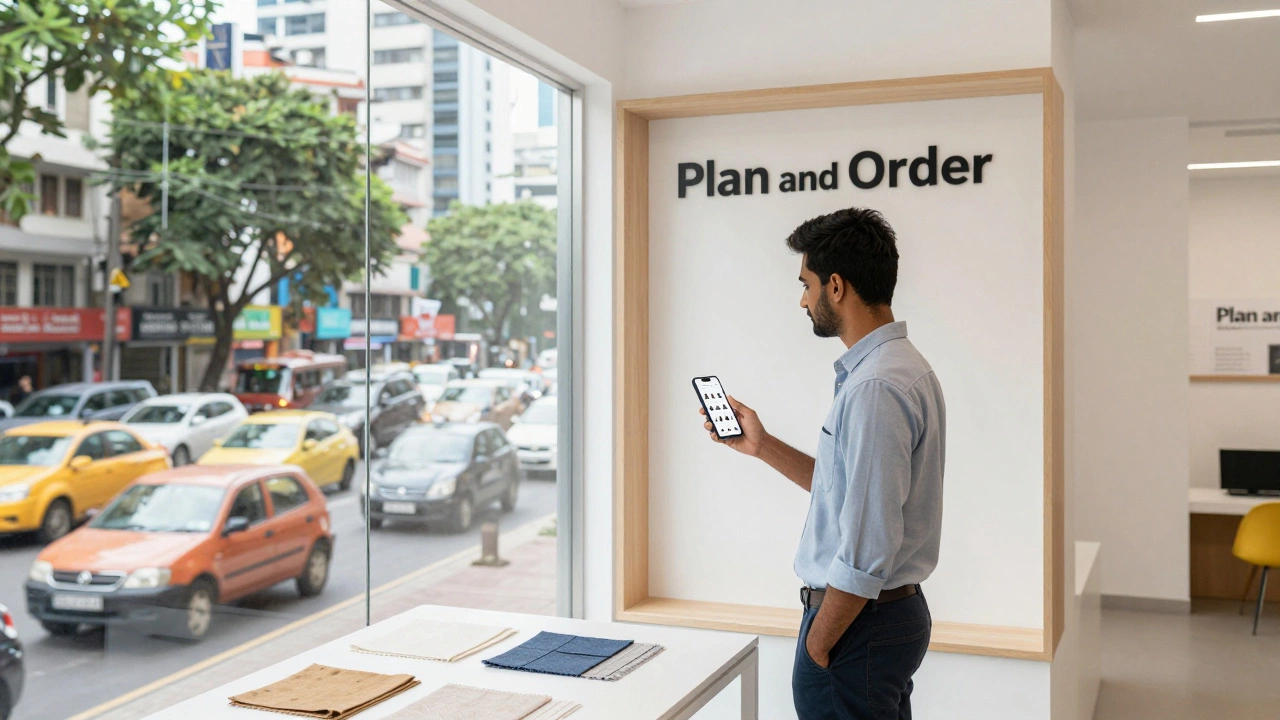
For a long time, the "IKEA Experience" was all about the walk-through showroom and the meatballs. But in India, traffic in cities like Bengaluru or Delhi makes a two-hour trip to the outskirts of town a nightmare. This is why they've shifted to an "Omnichannel" strategy. This means blending their physical stores with a strong e-commerce presence and smaller "Plan and Order" points in the heart of the city.
By reducing the reliance on massive stores for every single transaction, they can lower their overhead. If a customer can browse a catalog on their phone, visit a small city hub to feel the fabric, and then have the item delivered from a regional warehouse, IKEA saves on the expensive real estate of a giant store. This is the most likely path to actual profitability. They are moving from a "destination" model to a "convenience" model.
Is the Money Actually Coming In?
If you look at the reported revenue of IKEA India, the numbers are growing. People are definitely buying. However, "revenue" is not "profit." Most of the money coming in is being plowed back into opening new stores and upgrading the digital infrastructure. In the corporate world, this is called "aggressive scaling." They are prioritizing market penetration over dividends.
The real challenge is the Logistics cost. India's infrastructure is improving, but moving oversized furniture boxes across state lines still involves high costs and potential damage. When you add the cost of assembling the furniture for the customer-since the "do it yourself" culture is much weaker in India than in the US-the profit margin shrinks further. They've had to build an entire assembly workforce just to make the products usable for the average consumer.
What Happens Next?
IKEA isn't going anywhere, but they are evolving. The next few years will determine if they can move from "brand building" to "cash flow positive." They are focusing heavily on the Middle Class, which is expanding rapidly. As urban apartments get smaller, the demand for IKEA's space-saving furniture grows. If they can nail the local supply chain and keep the city-center hubs efficient, the heavy investments of the last decade will finally start to pay off.
Why is IKEA taking so long to become profitable in India?
Profitability is delayed by massive upfront costs for land and store construction, combined with the need to build a local supply chain from scratch to meet government regulations. Additionally, the cost of offering assembly services-which are expected by Indian consumers-eats into the margins that the DIY model usually provides in other countries.
Does IKEA use local Indian wood?
Yes, as part of their local sourcing requirements and sustainability goals, IKEA works with Indian suppliers to source materials. However, they focus heavily on sustainable certifications, which means they often have to help local forests and mills improve their practices before they can be part of the IKEA supply chain.
How does IKEA compete with local furniture markets?
They compete by offering a standardized quality, modern aesthetics, and lower price points for entry-level items. While local markets offer customization, IKEA offers a cohesive "look" and a more streamlined shopping experience that appeals to younger, urban professionals.
Are IKEA products considered high quality in India?
It's a mixed bag. For modern, functional design and organization, they are highly rated. However, some consumers still prefer the perceived longevity of heavy solid wood furniture over the engineered wood and particle board often used in IKEA's affordable lines.
Will IKEA open more stores in smaller Indian cities?
Rather than opening more giant warehouses in smaller cities, IKEA is more likely to expand its online reach and open smaller "satellite" stores or experience centers. This allows them to reach more people without the massive financial risk of building a full-scale store.