
Indian Textile Authenticity & Value Calculator
Estimate the value and verify authenticity markers for major Indian textiles like Kanchipuram Silk, Banarasi Brocade, and Khadi Cotton based on material type, weave method, and certification.
When you think of India, what comes to mind? For many, it is the vibrant colors of a sari or the intricate patterns of a kurta. But behind those stunning visuals lies one of the world’s oldest and most diverse textile industries. India isn't just a producer; it is a cultural archive woven into fabric. From the shimmering threads of Kanchipuram silk to the breathable comfort of Khadi cotton, Indian textiles are famous globally for their craftsmanship, variety, and deep historical roots.
If you are looking to understand which textile truly defines India, the answer isn't simple. It depends on whether you value luxury, durability, or tradition. However, two fibers dominate the conversation: silk and cotton. These aren't just materials; they are economic pillars that support millions of livelihoods across the country.
The Golden Thread: Why Silk Reigns Supreme
When people ask about luxury Indian textiles, silk is almost always the first name mentioned. India is the second-largest producer of silk in the world, right after China. But Indian silk is different. It is not just about mass production; it is about regional identity. Each state has its own signature silk, often protected by Geographical Indication (GI) tags to ensure authenticity.
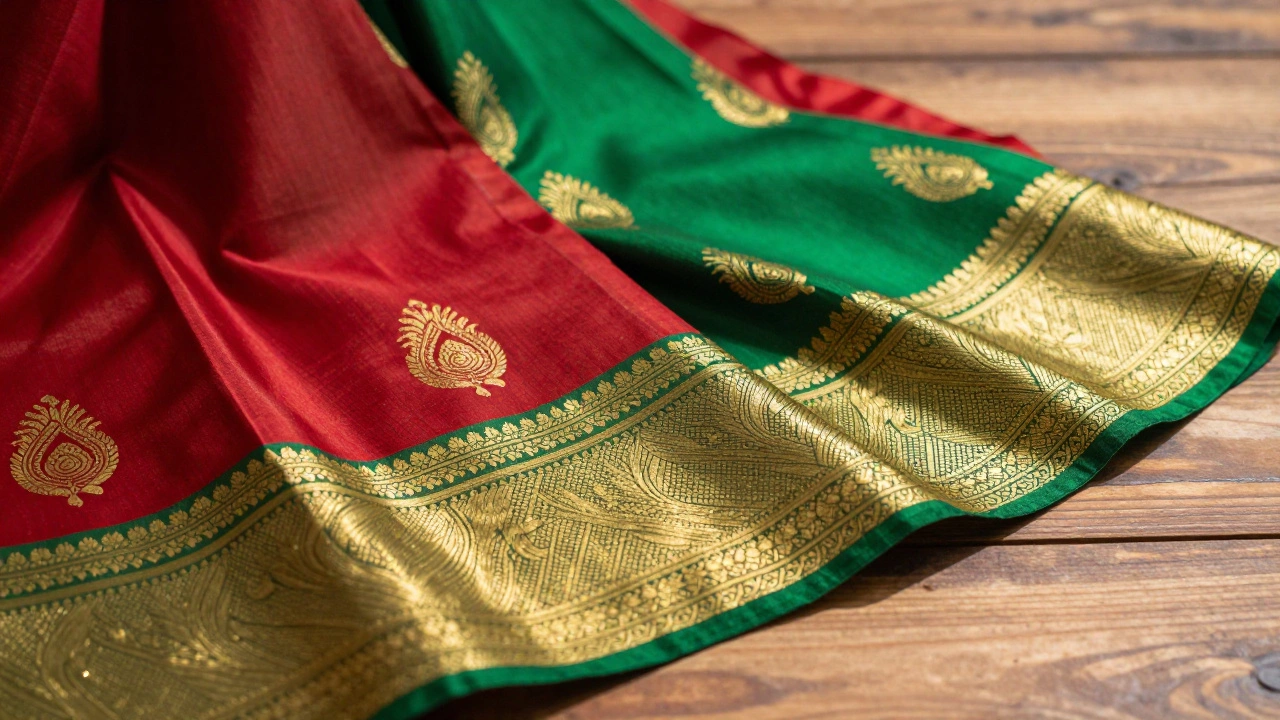
Kanchipuram Silk from Tamil Nadu is perhaps the most iconic. Known for its heavy weight, rich zari (metallic thread) work, and durability, a single Kanchipuram sari can take weeks to weave. The contrast borders-where the pallu (end piece) features a completely different color scheme than the body-are a hallmark of this craft.
Then there is Banarasi Silk from Varanasi, Uttar Pradesh. If Kanchipuram is about bold contrasts, Banarasi is about intricate brocades. Inspired by Mughal art, these fabrics feature detailed floral motifs and jaal (net-like) patterns. They are lightweight compared to Kanchipuram but equally prestigious, making them a favorite for weddings across North India.
In the northeast, Muga Silk from Assam offers something unique: natural gold. Unlike dyed silks, Muga gets its golden hue from the cocoon itself. It is durable, hypoallergenic, and becomes shinier with every wash. This rare variety is reserved for special occasions and represents the distinct tribal weaving traditions of Assam.
| Silk Type | Origin State | Key Characteristic | Primary Use |
|---|---|---|---|
| Kanchipuram | Tamil Nadu | Heavy, Zari-rich, Durable | Bridal Wear |
| Banarasi | Uttar Pradesh | Lightweight Brocade, Floral Motifs | Festive & Wedding Wear |
| Muga | Assam | Natural Gold Color, Hypoallergenic | Cultural Ceremonies |
| Patola | Gujarat | Ikat Double Weave, Precise Patterns | High-End Fashion |
The Breathable Backbone: Cotton and Khadi
While silk captures the imagination with its shine, cotton is the workhorse of Indian textiles. India is one of the largest producers and consumers of cotton globally. The climate here demands fabrics that breathe, wick moisture, and withstand heat. This is where Indian cotton excels.
You cannot talk about Indian cotton without mentioning Khadi. More than just a fabric, Khadi is a symbol of self-reliance and independence. Championed by Mahatma Gandhi during the freedom struggle, Khadi is hand-spun and hand-woven cotton. It is porous, cool, and eco-friendly. Today, Khadi has seen a resurgence in urban fashion, blending traditional ethics with modern design aesthetics.
Beyond Khadi, regions like Coimbatore in Tamil Nadu and Surat in Gujarat have industrialized cotton processing. Surat, often called the "Textile City of India," produces massive volumes of printed cotton sarees and dress materials at affordable prices. This democratization of fashion means high-quality cotton is accessible to everyone, not just the elite.
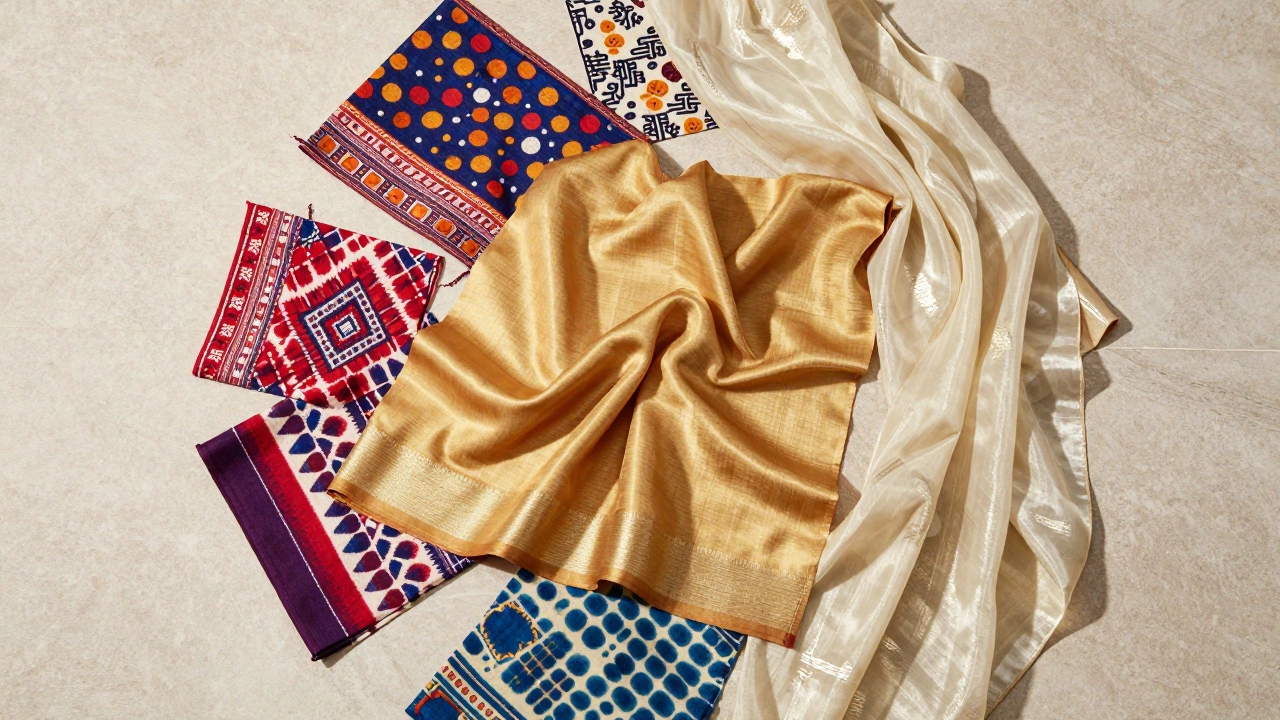
Another notable mention is Chanderi Fabric from Madhya Pradesh. Though it can be made of silk, Chanderi is most famous for its sheer cotton-silk blend. It feels light as air, with a subtle metallic sheen and transparent texture. The fine zari border gives it an elegant look suitable for both day and evening wear.
The Art of Weaving: Handloom vs. Powerloom
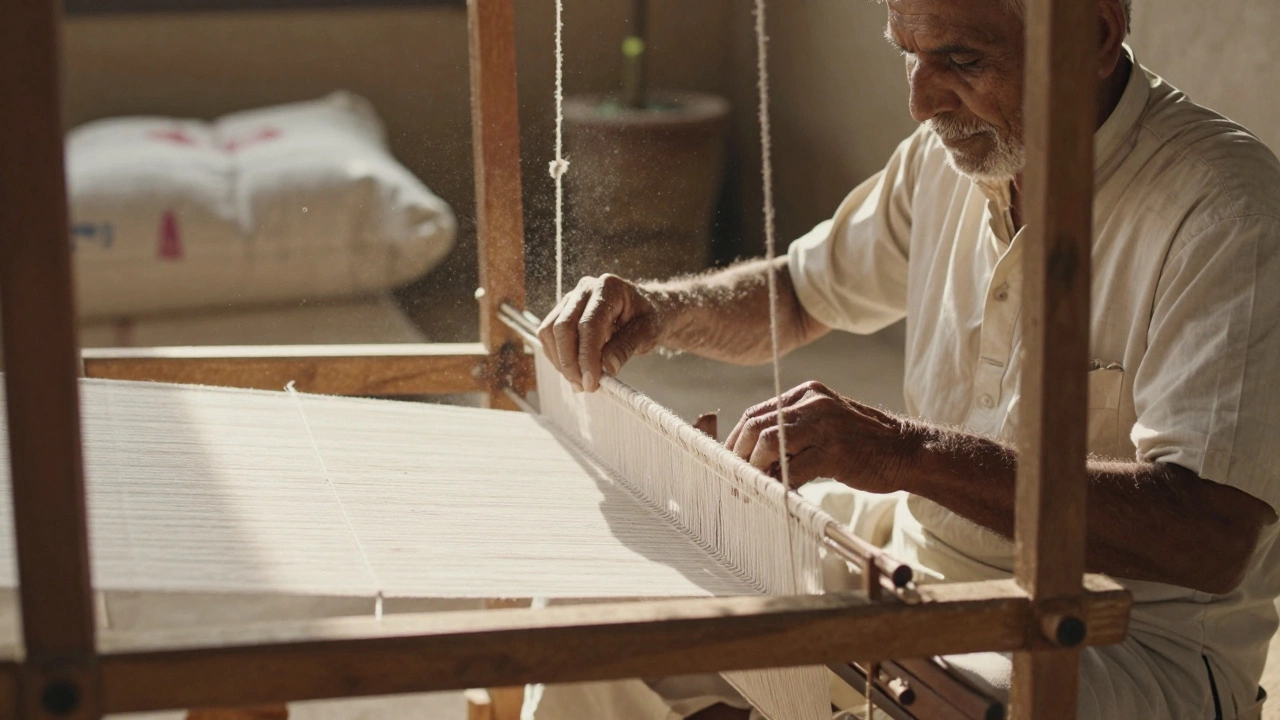
A critical distinction in Indian textiles is the method of production. India has the largest handloom sector in the world, employing over 4 million weavers. Handloom textiles are valued for their irregularities, which prove human touch. Every knot, every slight variation in pattern, tells a story of the artisan's skill.
On the other hand, powerlooms dominate the volume game. Located primarily in clusters like Tirupur (known for knitwear) and Ludhiana (known for hosiery), powerloom factories produce millions of meters of fabric daily. They are essential for fast fashion and export-oriented garments. While they lack the soul of handloom, they provide consistency and affordability.
The government actively supports handloom through schemes like the National Handloom Development Programme. This ensures that traditional techniques don't disappear amidst industrialization. For buyers, choosing handloom means supporting rural economies and preserving cultural heritage.
Regional Specialties You Should Know
India’s diversity extends to its textile landscapes. Here are a few more famous textiles that define specific regions:
- Bandhani (Rajasthan/Gujarat): A tie-dye technique where small dots are created by tying threads around the fabric before dyeing. It results in vibrant, geometric patterns perfect for summer wear.
- Ikat (Odisha/Puducherry): Known as 'Korvai' in some regions, Ikat involves dyeing the yarns before weaving to create blurred, mosaic-like patterns. Pochampally Ikat from Telangana is particularly renowned for its complex geometric designs.
- Kanjeevaram (Tamil Nadu): Often used interchangeably with Kanchipuram, Kanjeevaram refers specifically to the temple-style silks with peacock and lotus motifs.
- Phulkari (Punjab): Meaning 'flower work,' this is an embroidered textile featuring colorful cross-stitch patterns on coarse cotton. It originated as a pastime for women in Punjab and is now a global fashion statement.
Why Indian Textiles Matter Globally
Indian textiles are not just domestic commodities; they are significant players in the global market. The country exports billions of dollars worth of garments and fabrics annually. Brands worldwide source from India for its sustainable practices, especially in organic cotton and natural dyes.
The rise of e-commerce platforms has also helped artisans reach international buyers directly. No longer confined to local markets, a weaver from West Bengal can sell Jamdani muslin to a customer in Europe. This direct-to-consumer model boosts income for artisans and reduces middlemen margins.
Moreover, the focus on sustainability is growing. Many Indian mills are adopting water-saving technologies and using recycled fibers. As global demand for ethical fashion rises, India’s position as a hub for responsible textile manufacturing strengthens.
How to Identify Authentic Indian Textiles
With popularity comes imitation. Synthetic prints mimicking handloom designs are common. Here is how to spot the real deal:
- Check the Label: Look for the Handloom Mark or GI Tag logo. These certifications guarantee origin and authenticity.
- Feel the Texture: Handloom fabrics often have slight imperfections. Perfect uniformity might indicate machine-made goods.
- Burn Test: Natural fibers like cotton and silk burn differently than synthetics. Cotton turns to ash, while synthetic fibers melt into hard beads.
- Price Point: Genuine handloom silk or khadi takes time to make. If the price seems too good to be true, it probably is.
The Future of Indian Textiles
The industry is evolving. Young designers are experimenting with fusion wear, combining traditional fabrics with contemporary cuts. Tech startups are using AI to predict trends and optimize supply chains. Meanwhile, efforts to revive dying crafts continue through NGOs and government initiatives.
As consumer awareness grows, there is a shift towards slow fashion. People are willing to pay more for quality, ethics, and uniqueness. This trend favors Indian textiles, which offer exactly that. Whether you are a buyer, a designer, or a curious observer, understanding these fabrics opens up a world of culture, commerce, and creativity.
Which is the most famous silk in India?
Kanchipuram silk from Tamil Nadu is widely considered the most famous due to its durability, rich zari work, and status as bridal wear. However, Banarasi silk from Uttar Pradesh is equally iconic for its intricate brocade patterns.
What makes Khadi special compared to regular cotton?
Khadi is hand-spun and hand-woven, making it porous and breathable. It is also eco-friendly and carries significant cultural and historical importance linked to India's independence movement.
Where is the largest textile manufacturing hub in India?
Surat in Gujarat is known as the Textile City of India, specializing in synthetic and printed fabrics. Tirupur in Tamil Nadu is another major hub, famous for knitwear and exports.
How can I verify if a textile is authentic handloom?
Look for the official Handloom Mark or Geographical Indication (GI) tag. Additionally, check for slight irregularities in the weave, which indicate human craftsmanship rather than machine precision.
Is Indian silk exported globally?
Yes, India is a major exporter of silk, particularly to countries in Asia, Europe, and the Middle East. High-end varieties like Kanchipuram and Banarasi are sought after for luxury fashion and wedding attire worldwide.