
Home Manufacturing Profit Calculator
Break-Even Point
You need to sell 0 units per day to cover fixed costs.
Most people think you need a massive warehouse and ten employees to start making real money in manufacturing. That is simply not true anymore. With the right equipment and a focused niche, your garage or spare room can become a micro-factory that generates $200 in daily profit. This isn't about dropshipping cheap plastic goods from overseas; it's about creating tangible products where you control the quality, the speed, and the margin.
The math behind hitting that $200-a-day target is surprisingly straightforward if you break it down. You don't need to sell one expensive machine every day. Instead, you might sell twenty units at a $10 profit margin each, or five high-end custom items with a $40 markup. The key lies in choosing a product category where raw material costs are low but perceived value is high. Let's look at how you can actually pull this off without drowning in overheads.
Understanding the $200 Daily Target
To hit $200 a day, you need roughly $6,000 a month in net profit. For a solo operator working from home, this is an ambitious but achievable goal. It requires moving beyond hobbyist thinking into lean production logic. You aren't just making things; you are optimizing a workflow. If you spend two hours making a product that sells for $50, but your materials cost $10, you're earning $20 per hour before taxes and marketing. To reach $200, you need either higher volume or higher margins.
High-volume strategies work best for standardized items like candles, soaps, or basic apparel. High-margin strategies work better for customized goods like engraved leather, bespoke jewelry, or specialized food products. Most successful home manufacturers blend both. They have a core line of quick-turnaround items to keep cash flowing, alongside premium custom orders that boost the average order value.
Top Home Manufacturing Niches
Not all products are created equal when you are limited by space and power outlets. Here are four specific niches where home-based manufacturers consistently hit the $200/day mark.
Artisanal Food Production
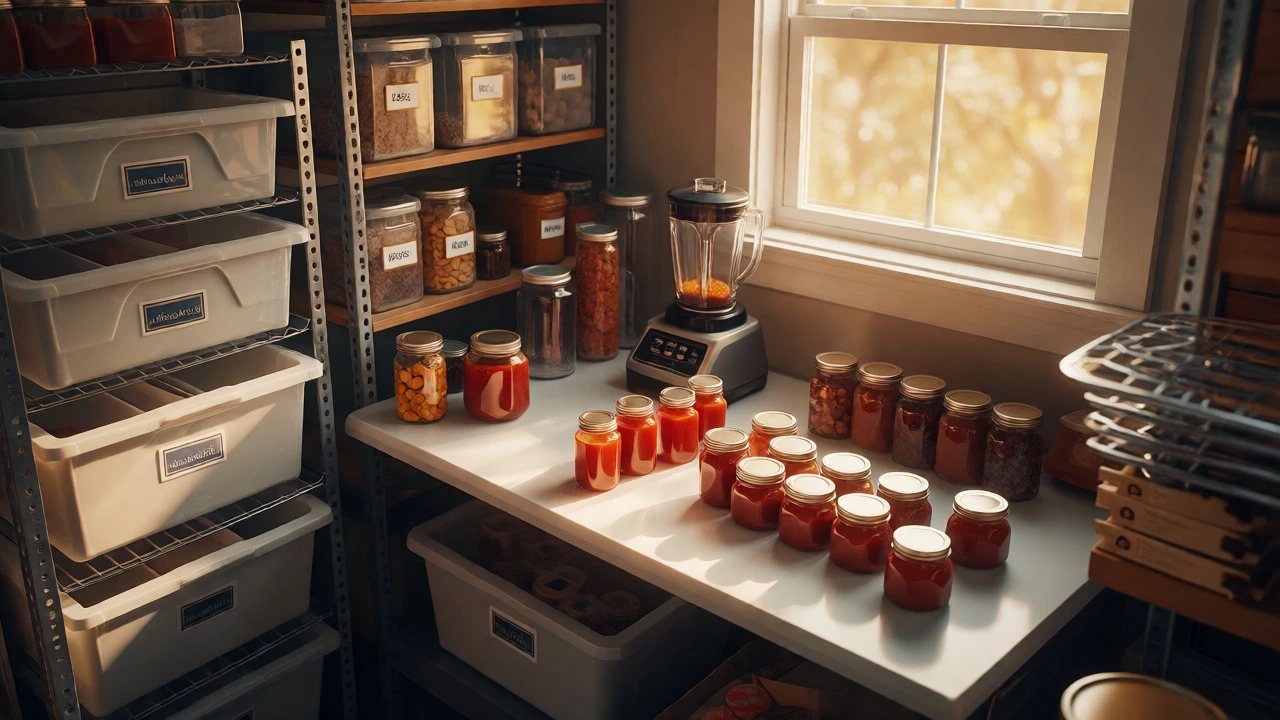
Food processing is one of the most accessible entry points because everyone eats. Specifically, look at specialty sauces, jerky, or baked goods. A batch of gourmet hot sauce might cost $5 in ingredients and bottles, but sells for $12-$15 online or at local markets. Selling 15-20 jars a day gets you to your target quickly. The barrier here is regulatory compliance, which varies by region, but many areas allow "cottage food" operations for non-potentially hazardous foods.
Custom Apparel and Textiles
With a heat press and a sublimation printer, you can create custom t-shirts, mugs, and tote bags. The blank shirts might cost $5, printing adds $2, and packaging is negligible. Selling for $25 gives you an $18 margin. Sell 12 units a day, and you've made $216. The advantage here is zero inventory risk if you use print-on-demand blanks, but buying bulk blanks improves margins significantly. Niche designs-like gear for specific dog breeds or professions-sell faster than generic slogans.
Small Electronics Assembly
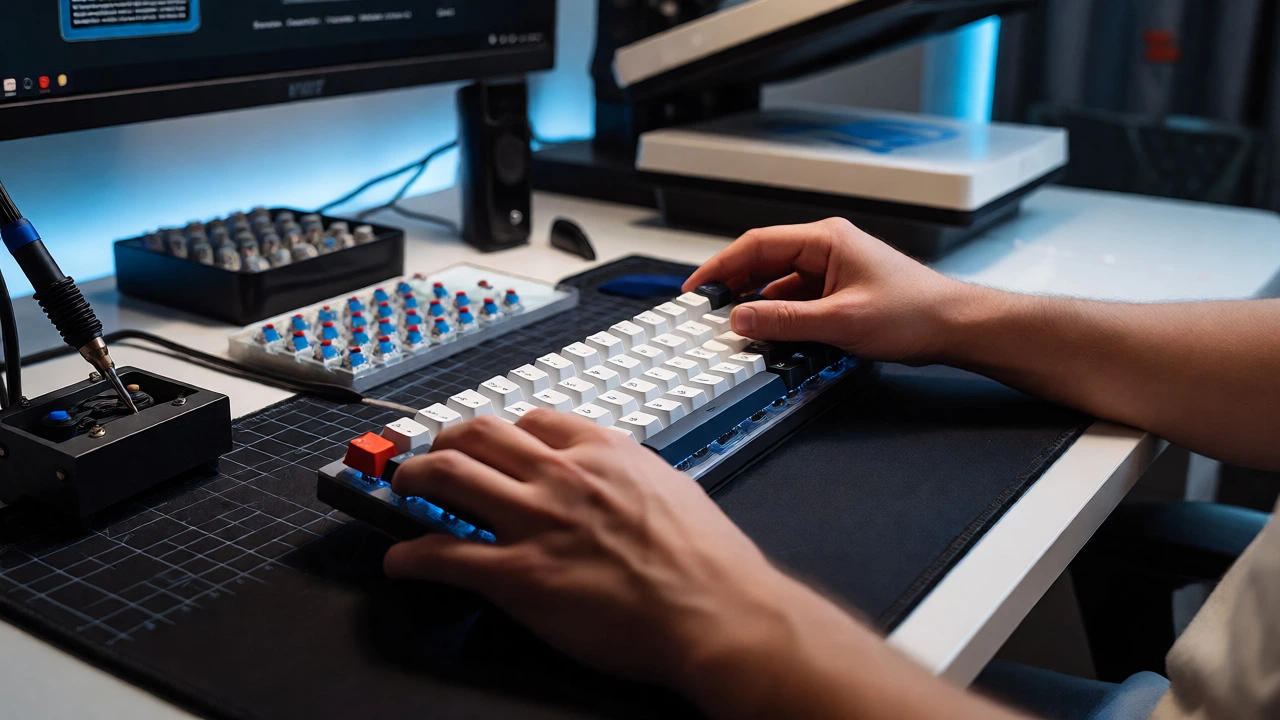
You don't need to manufacture chips. You can assemble kits. Think mechanical keyboards, custom PC builds, or smart home sensor packs. Buying components in bulk from suppliers like AliExpress or Mouser and assembling them saves customers time. A pre-built mechanical keyboard kit might cost $40 in parts and sell for $90. The assembly takes 30 minutes. Three units a day hits the target. This appeals to tech enthusiasts who value convenience and customization.
Eco-Friendly Cleaning Products
Mixing simple ingredients like vinegar, baking soda, essential oils, and water creates cleaning sprays with massive margins. A gallon of cleaner costs under $2 to make and can be sold in twelve spray bottles for $8 each. Total revenue: $96. Cost: $2 plus bottles ($5). Profit: ~$89 per gallon batch. Making two batches a day (24 bottles) yields nearly $180. Add laundry detergent pods, and you easily surpass $200. Consumers pay a premium for "non-toxic" and "plastic-free" branding.
Essential Equipment and Space Requirements
You don't need a factory floor. Most home manufacturing setups fit within 100-200 square feet. However, organization is critical. Chaos kills efficiency. Invest in vertical storage racks and labeled bins. Your workspace should follow a linear flow: Raw Materials → Processing Station → Quality Check → Packaging → Shipping Area.
| Niche | Key Equipment | Est. Startup Cost | Space Needed | Learning Curve |
|---|---|---|---|---|
| Candles & Soap | Double boiler, molds, thermometer | $300 - $500 | Kitchen corner | Low |
| Custom Apparel | Heat press, Cricut/Silhouette, printer | $800 - $1,200 | One desk + shelf | Medium |
| Electronics Kits | Soldering station, anti-static mat | $200 - $400 | Small table | Medium-High |
| Food Products | Commercial blender, dehydrator, sealer | $500 - $1,000 | Kitchen | Low-Medium |
Marketing Strategy for Micro-Manufacturers
Since you are selling directly from home, you bypass retail markups. Pass some of those savings to customers, but keep enough for marketing. You cannot rely on foot traffic unless you live in a tourist area. Online presence is mandatory.
- Etsy and Amazon Handmade: These platforms bring ready-made buyers. Fees are high (10-15%), but conversion rates are excellent for handmade goods. Use these channels for initial validation.
- Instagram Reels/TikTok: Show the process. People love watching soap being cut or electronics being assembled. Visual content drives impulse buys. Post short clips of your production line daily.
- Local Markets: Farmers' markets or craft fairs provide immediate cash flow and direct feedback. Use these events to collect emails for your own website later.
- Subscription Boxes: Offer a monthly delivery of your product. Recurring revenue stabilizes income. Even 20 subscribers paying $20/month covers half your daily target.
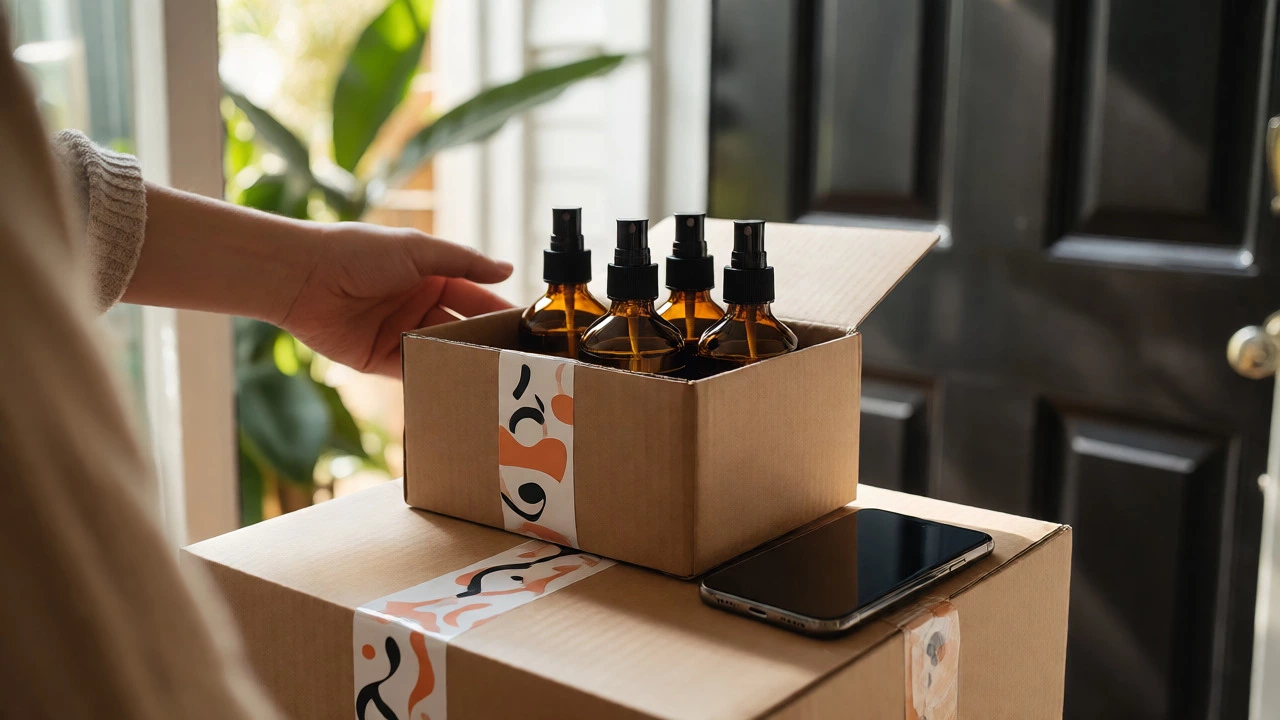
Packaging matters more than you think. Unboxing experience is part of the product. Branded tape, thank-you cards, and sturdy boxes increase repeat purchases. Word-of-mouth is free marketing. If your product arrives damaged, you lose money. If it arrives beautifully packaged, the customer posts it on social media.
Scaling Beyond 0 a Day
Once you hit $200 consistently, you face a new problem: time. You are now the bottleneck. To grow further, you must decouple your time from production. This doesn't mean hiring full-time staff immediately. Start by outsourcing non-core tasks. Hire a virtual assistant for customer service emails. Use a fulfillment center for shipping if volume exceeds 50 orders a week. Or, outsource the repetitive assembly steps to part-time help while you focus on design and sourcing.
Another path is increasing prices through brand building. Move from commodity status to premium status. Improve your logo, refine your product description, and gather testimonials. A candle selling for $15 becomes a luxury scent experience selling for $35 if marketed correctly. The production cost stays the same; the margin doubles.
Common Pitfalls to Avoid
Many home manufacturers fail not because their product is bad, but because they ignore the business side. Here are three traps to watch out for:
- Underpricing: Do not compete with mass-produced Chinese imports on price alone. Compete on quality, story, and speed. If you try to match their $5 price point with your $3 labor cost, you will burn out.
- Inventory Bloat: Buying too much raw material ties up cash. Start with small batches. Prove demand before scaling up supply. Cash flow kills more businesses than lack of sales.
- Ignoring Taxes and Insurance: In many jurisdictions, home-based businesses require liability insurance, especially for food or children's toys. Factor these fixed costs into your pricing model from day one.
Do I need a commercial kitchen to start food manufacturing from home?
It depends on your location. Many regions have "Cottage Food Laws" that allow you to produce certain non-hazardous foods (like cookies, jams, and dried herbs) in your home kitchen without a commercial facility. However, foods requiring refrigeration or meat products often need a licensed commercial kitchen. Always check your local health department regulations before starting.
What is the easiest product to manufacture for beginners?
Soy candles and bar soap are widely considered the easiest entry points. They require minimal equipment (a double boiler and molds), have low material costs, and offer high profit margins. Additionally, they are lightweight and easy to ship, reducing logistics headaches for new entrepreneurs.
How much capital do I need to start a home manufacturing business?
You can start most home manufacturing businesses with $500 to $1,500. This covers basic tools, initial raw materials, packaging supplies, and a simple website or Etsy shop setup. More complex niches like electronics assembly or heavy textile work may require $2,000+ for specialized machinery.
Can I really make $200 a day as a solo entrepreneur?
Yes, but it requires treating it as a full-time job initially. $200/day is $6,000/month. Achieving this usually means selling 10-20 units daily depending on your margin. Consistency comes from effective marketing and efficient production workflows, not just luck. It typically takes 3-6 months to build steady sales volume.
What are the biggest hidden costs in home manufacturing?
Hidden costs include shipping materials (boxes, tape, labels), transaction fees from payment processors (usually 2.9% + 30 cents), platform fees (Etsy/Amazon take 10-15%), and utilities (electricity for machines). Also, factor in the value of your own time-if you don't pay yourself, you aren't truly profitable.