
Small-Scale Manufacturing Suitability Calculator
Your Profile
Everyone wants to know where the money is flowing. In 2026, the answer isn't a single magic bullet, but a shift toward efficiency, sustainability, and hyper-localization. The "hottest" business right now for small-scale manufacturers is not about mass-producing cheap plastic trinkets anymore. It is about solving specific problems with smart, lean, and often green technology.
If you are looking to start or pivot a small manufacturing unit, the landscape has changed. Supply chains are shorter. Customers care more about origin and material than ever before. And automation tools that used to cost millions are now available for a few thousand dollars. This creates a unique window of opportunity for agile entrepreneurs who can move faster than the big giants.
The Rise of Sustainable Packaging
The global push against single-use plastics has hit a critical point. Governments in Europe, North America, and parts of Asia have tightened regulations on plastic waste. This regulatory pressure has created a massive demand for alternatives. For a small-scale manufacturer, this is arguably the most accessible high-growth sector.
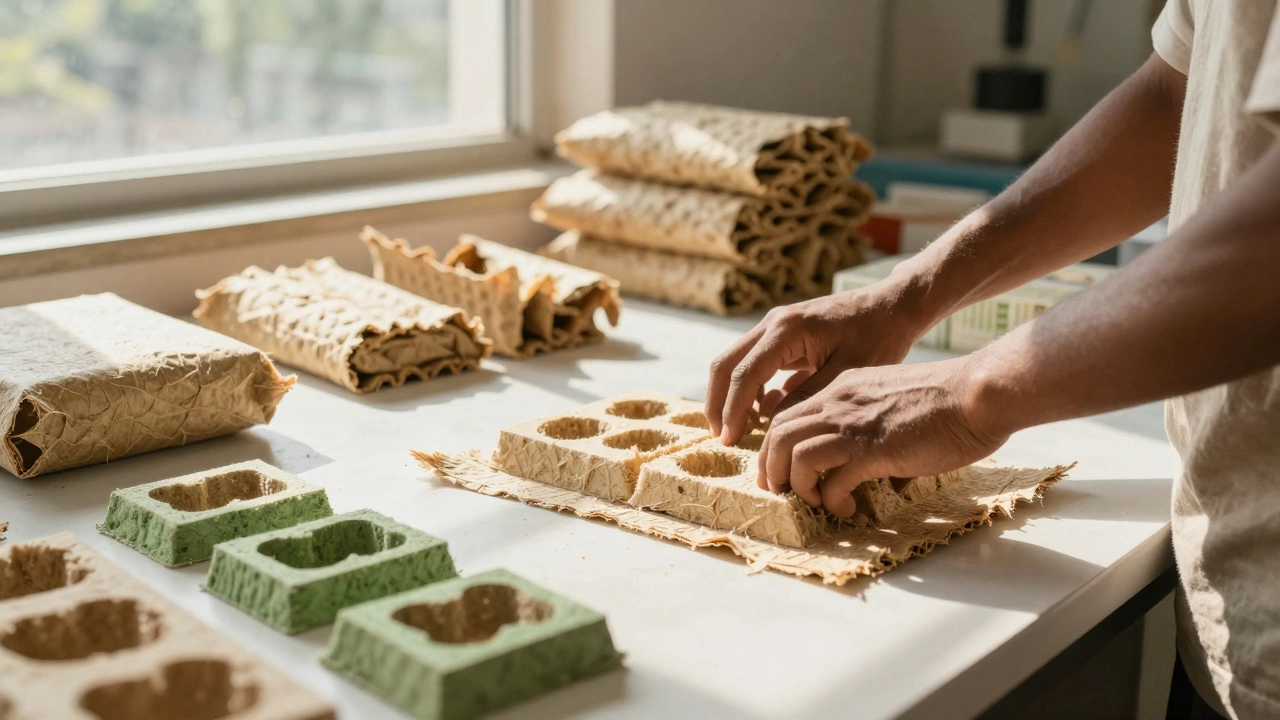
You don’t need a factory the size of a football field to enter this space. Many successful startups are focusing on molded pulp packaging, which uses recycled paperboard or agricultural waste like bagasse (sugarcane fiber) to create protective inserts for electronics, cosmetics, and food delivery. The process involves pulping waste material, pressing it into molds, and drying it. It’s simple, scalable, and highly valued by eco-conscious brands.
Another angle is biodegradable cutlery and tableware made from wheat straw or cornstarch. The raw materials are often agricultural byproducts, meaning your input costs can be surprisingly low if you source locally. The key here is certification. Getting your products certified as compostable adds significant value and allows you to charge a premium. Big corporations are desperate to swap their plastic supply chains for these greener options, and they are willing to pay for reliability.
Niche Electronics and IoT Components
While Apple and Samsung dominate consumer devices, the Internet of Things (IoT) is fragmenting the market. Every smart home device, wearable health monitor, and industrial sensor needs custom enclosures, circuit board assemblies, or specialized connectors. This is where small-scale electronics manufacturing shines.
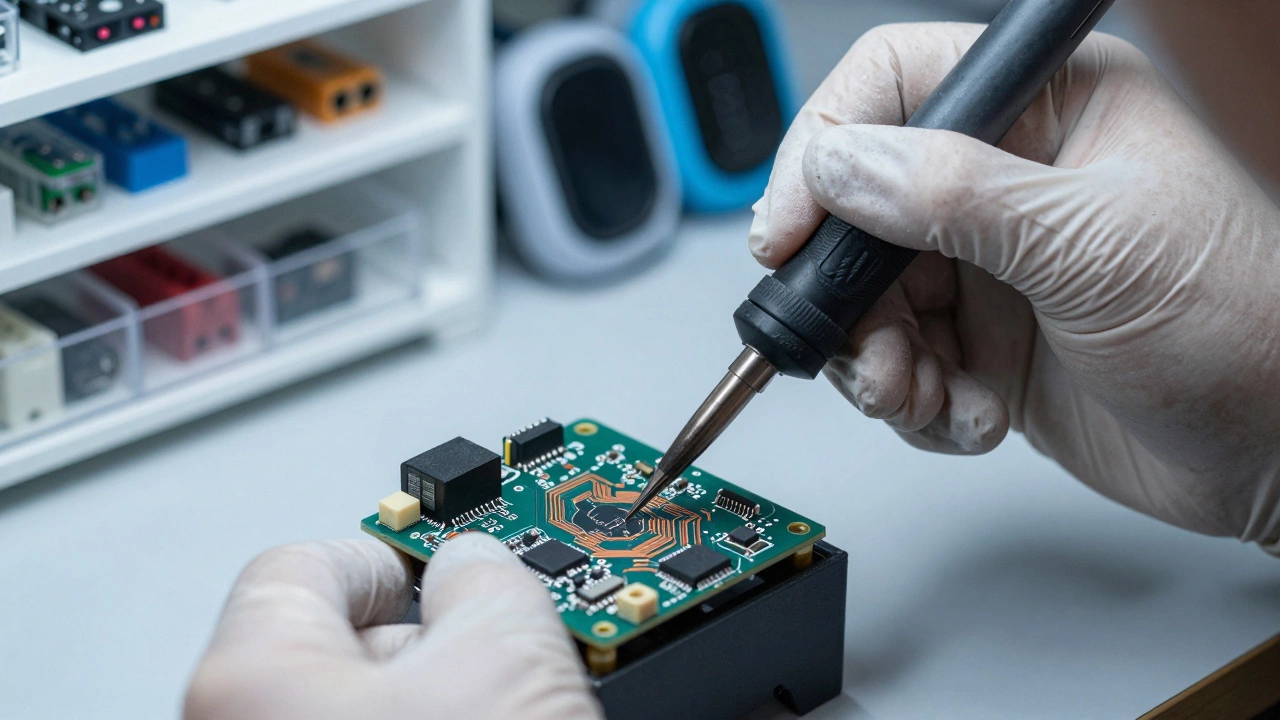
Consider setting up a unit focused on PCB assembly for niche markets. You don’t compete on volume; you compete on speed and customization. A startup developing a new fitness tracker might need 500 prototypes, then 5,000 units, then another 1,000 with a slight design change. Large factories hate these small, fluctuating orders. They want 100,000 identical units. By positioning yourself as the partner for rapid prototyping and low-volume production, you capture a loyal client base.
Additionally, the repair economy is booming. People are keeping devices longer due to cost and environmental concerns. This drives demand for replacement parts-screens, batteries, hinges-that are often hard to source officially. Small manufacturers who can produce high-quality compatible accessories or repair kits are tapping into a steady, recession-resistant revenue stream.
Personalized Health and Wellness Products
The wellness industry continues to explode, but consumers are moving away from generic supplements. They want personalization. This trend favors small manufacturers who can handle batch sizes of hundreds rather than millions. Think about private-label production for local gyms, yoga studios, or direct-to-consumer brands.
Manufacturing custom vitamin packs or herbal tinctures based on individual profiles is a growing niche. You can partner with apps that analyze user data and prescribe specific blends. Your role is the physical production: mixing, bottling, and labeling. The barrier to entry is moderate because of strict hygiene and quality control standards, but once you get certified, you become a trusted vendor.
Beyond supplements, there is a surge in demand for natural skincare ingredients. Small-scale extraction of essential oils, butters, and plant-based actives allows you to supply indie beauty brands that prioritize transparency. These brands often post photos of their suppliers on social media, giving you free marketing exposure. If you can prove your ingredients are organic and ethically sourced, you build a brand equity that protects you from price wars.
Local Food Processing and Value Addition
Food security and freshness are top priorities for consumers in 2026. Long-distance shipping of fresh produce is becoming less viable due to fuel costs and carbon taxes. This brings food processing back to the neighborhood level. Small-scale manufacturing in this sector means taking raw agricultural produce and turning it into shelf-stable, high-value goods.
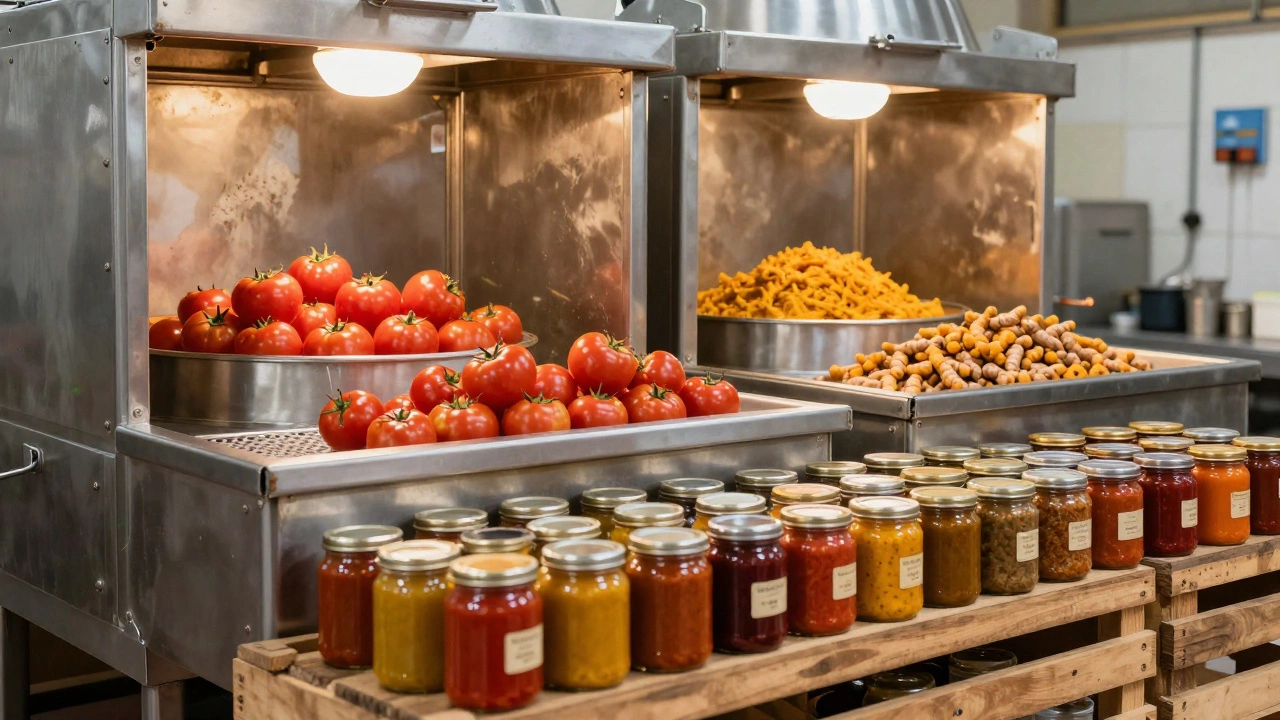
Imagine a small unit that buys surplus tomatoes from local farmers and turns them into artisanal sauces, pastes, or dried snacks. Or a facility that processes nuts into butter, milk, or flour. The margin increase from selling raw almonds to almond butter is substantial. Moreover, you reduce food waste, which appeals to both regulators and customers.
Another hot area is plant-based meat alternatives. While large players dominate the frozen aisle, there is room for fresh, minimally processed versions sold in local grocery stores. Using legumes, mushrooms, and grains to create textured protein products requires relatively simple extrusion technology. If you can match the taste and texture of real meat without the heavy chemical load, you win over health-conscious eaters who are skeptical of ultra-processed vegan meats.
3D Printing and On-Demand Fabrication
3D printing has matured from a novelty to a practical manufacturing tool. For small businesses, it enables "on-demand" production, eliminating inventory risk. You only make what is ordered. This model is perfect for industries with high variety and low volume, such as medical devices, automotive spare parts, and custom jewelry.
Setting up a professional 3D printing service bureau can be highly lucrative. Engineers and designers need functional prototypes quickly. Instead of waiting weeks for injection molding tools, they send files to you, and you print durable parts using advanced materials like nylon, carbon-fiber reinforced polymers, or even metals. The key is material science knowledge. Knowing which filament or resin provides the right strength, flexibility, or heat resistance sets you apart from hobbyists.
Furthermore, digital fabrication extends beyond plastics. Laser cutting and CNC machining allow for precise work in wood, acrylic, and metal. Furniture makers, architects, and interior designers constantly need custom components. By offering quick-turnaround fabrication services, you become an essential link in their creative process. The equipment cost is manageable, and the skill ceiling is high, providing a strong competitive moat.
| Business Idea | Initial Investment | Key Skill Required | Profit Margin Potential |
|---|---|---|---|
| Sustainable Packaging | Low-Medium | Supply Chain Sourcing | High |
| Niche PCB Assembly | Medium-High | Electronics Engineering | Very High |
| Custom Supplements | Medium | Regulatory Compliance | High |
| Local Food Processing | Low | Quality Control & Hygiene | Medium |
| 3D Printing Service | Medium | CAD Design & Material Science | High |
Why Agility Beats Scale in 2026
The biggest advantage you have as a small manufacturer is agility. Large companies are slow to turn. Their decision-making processes involve multiple layers of management. When market trends shift, they struggle to adapt. You can pivot in days. If a new material becomes popular, you can test it immediately. If a customer wants a different color, you can adjust your line overnight.
This agility allows you to serve customers who are ignored by the giants. These are the mid-sized brands, the local innovators, and the specialized B2B clients. They value relationship and responsiveness over the lowest possible price per unit. By building strong partnerships and demonstrating reliability, you secure long-term contracts that provide stable cash flow.
Technology also levels the playing field. Cloud-based ERP systems, automated invoicing, and AI-driven demand forecasting are affordable for small teams. You can manage inventory, track shipments, and communicate with clients as efficiently as a corporation. This operational excellence reduces waste and improves margins, making your business more resilient.
Getting Started: Practical Steps
Starting any of these businesses requires careful planning. First, validate your idea. Talk to potential customers before buying equipment. Ask them what their current pain points are. Do they struggle with lead times? Quality consistency? Minimum order quantities? Tailor your value proposition to solve these specific issues.
Second, focus on compliance. Whether you are handling food, chemicals, or electronics, regulations exist for safety reasons. Ignoring them can shut you down instantly. Invest time in understanding local laws and obtaining necessary certifications early. This builds trust with clients who need to vet their suppliers thoroughly.
Third, master your supply chain. Your profit depends heavily on raw material costs. Build relationships with multiple suppliers to avoid disruptions. Consider vertical integration if possible-growing your own hemp for packaging, for example, or sourcing directly from farmers for food processing. Controlling inputs gives you better margins and greater stability.
Finally, leverage digital marketing. Showcase your manufacturing process on social media. People love seeing how things are made. Transparency builds brand loyalty. Share stories about your materials, your team, and your sustainability efforts. This content attracts customers who align with your values and are willing to pay for quality.
What is the easiest small-scale manufacturing business to start?
Food processing, particularly making jams, pickles, or roasted spices, is often the easiest to start. The equipment requirements are minimal, and you can begin in a commercial kitchen before investing in your own facility. However, you must strictly follow local food safety regulations.
How much capital do I need for a sustainable packaging unit?
A basic molded pulp packaging setup can start with $10,000 to $30,000, depending on whether you buy new or used machinery. Costs include pulpers, hydraulic presses, and drying racks. The main ongoing cost is raw material, which can be very cheap if you source recycled paper or agricultural waste.
Is 3D printing still a viable business in 2026?
Yes, but not for general consumer toys. The viability lies in professional service bureaus that use engineering-grade materials. Serving industries like aerospace, medical, and automotive with high-precision, durable parts offers strong margins. Competition is lower here than in hobbyist printing.
What are the biggest risks in small-scale manufacturing?
Supply chain disruption and regulatory changes are the top risks. Relying on a single supplier for raw materials can halt production. Similarly, failing to keep up with changing environmental or safety laws can result in fines or shutdowns. Diversifying suppliers and staying informed about legislation are crucial mitigation strategies.
Can I manufacture electronics from home?
Simple assembly or testing might be possible, but full-scale PCB manufacturing requires specialized clean rooms and hazardous chemicals, making it unsuitable for home environments. However, you can operate a small assembly or prototyping lab in a garage or small workshop if you adhere to strict safety protocols for soldering and component handling.