
Zero-Cash Manufacturing Profitability Estimator
Enter your product details below to estimate profitability using the Pre-Order Model described in the article.
Product Analysis
Enter your data to see estimates.
You’ve got the drive, you’ve got the time, but your bank account is looking a bit thin. It’s a common story in Manchester and beyond: people want to build something real, something tangible, but they think manufacturing requires massive capital, heavy machinery, and a factory floor. That’s a myth. You don’t need £50,000 for injection moulding machines or a CNC router to start producing goods. Some of the most resilient small businesses started with nothing more than raw materials bought with pocket change and skills already in hand.
The key isn't finding a way to manufacture without tools; it's finding products where the "tool" is your hands, your kitchen, or your garage, and the "factory" is wherever you can clear a table. We’re talking about micro-manufacturing-small batch production that solves specific problems. If you are ready to stop planning and start making, here is how you can launch a production-based business with zero upfront cash investment.
Why Zero-Cash Manufacturing Works Now
Traditional manufacturing relies on economies of scale. You buy steel by the tonne to make screws cheap. But in 2026, the market has shifted toward customization and artisanal quality. Consumers are tired of mass-produced plastic junk. They want items with a story, made locally, often from sustainable sources. This shift creates an opening for Micro-Manufacturing a form of small-scale production characterized by low volume, high customization, and minimal capital expenditure.
When you have no money, you cannot compete on price against Chinese factories. You must compete on value, speed, and uniqueness. Your lack of capital forces you to be creative. Instead of buying inventory, you sell first and produce second (pre-orders). Instead of renting space, you use your living room. Instead of hiring staff, you do the work yourself until revenue pays for help. This lean approach reduces risk to almost zero. If it fails, you haven’t lost money because you never spent any. You only lost time, which you were spending anyway.
Handmade Textile Products: The Low-Barrier Entry
If you live anywhere near the historic textile hubs like Manchester or Yorkshire, you know fabric is abundant and often cheap. Textile manufacturing doesn't always require industrial looms. Simple sewing, knotting, or felting can create high-value products. Consider Candle Making the process of creating candles using wax, wicks, and fragrances, often done at home for local sale. While not strictly textile, it shares the same low-cost, high-margin logic. But let’s stick to textiles: tote bags, beeswax wraps, or upcycled clothing patches.
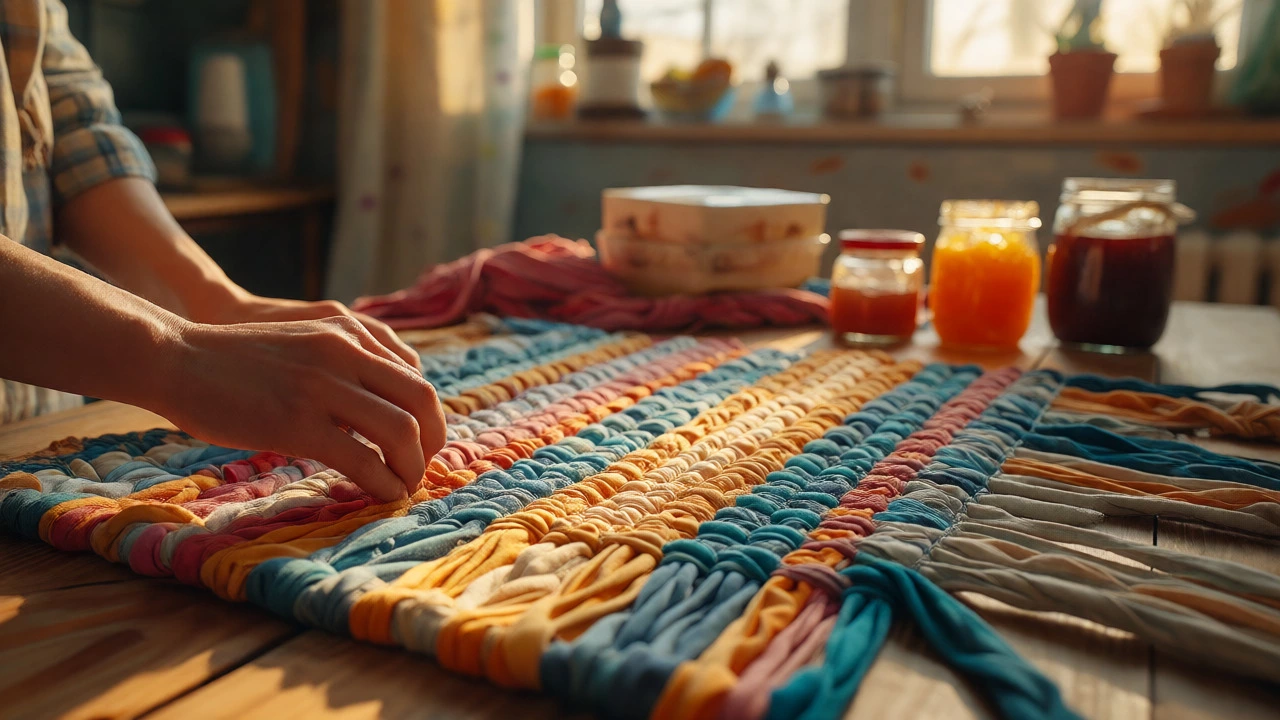
How do you start with £0? You look around your house. Do you have old t-shirts? Cut them into strips and weave them into rugs. Do you have scrap fabric from a previous project? Sew them into reusable coffee cup sleeves. The material cost is zero if you use waste streams. For packaging, use newspaper or brown paper bags you already own. Sell these items on Facebook Marketplace or local community groups before you even finish making them. Ask friends to pre-order. Use their cash to buy the next batch of thread or buttons. This cycle keeps your cash flow positive from day one.
| Niche | Primary Material Source | Skill Level | Time to First Sale | Scalability |
|---|---|---|---|---|
| Upcycled Textiles | Household waste / Thrift stores | Beginner (Sewing/Knotting) | 1-3 Days | Low (Time-intensive) |
| Home Baking | Pantry staples | Intermediate (Recipe precision) | Same Day | Medium (Local demand) |
| Digital Print-on-Demand | Digital files | Design Skills | Instant (Setup) | High (Global reach) |
| Concrete Crafts | Leftover cement/sand | Beginner (Mixing/Molding) | 3-7 Days (Curing) | Medium (Shipping costs) |
Food Processing: Turning Pantry Staples into Profit
Food is the ultimate universal product. Everyone eats, every day. In the UK, regulations for selling food are strict, but there are exemptions for "cottage foods" or direct sales from home. Think about jams, chutneys, dried herbs, or spice blends. These items have long shelf lives and high perceived value. A jar of homemade strawberry jam sells for £4-£6. The strawberries might cost £1.50 per kg if you pick them yourself or buy reduced-price fruit near closing time. Sugar and jars are minor costs.
To start with no money, leverage what you already have. Do you have a blender? Make nut butter. Do you have an oven? Bake sourdough bread or granola. The trick is pre-selling. Post a photo of your sample product on Instagram or Nextdoor. Say, "I’m making a small batch of rosemary focaccia this Saturday. £5 each. Reply to book." Collect the payment via bank transfer before you bake. Use that money to buy flour. Repeat. You are essentially running a Pre-Order Model a business strategy where goods are manufactured only after customer orders are received and paid for, eliminating inventory risk entirely.
Digital Manufacturing: Design Without Materials
If you hate getting your hands dirty with glue or dough, consider digital manufacturing. This involves designing physical products that are produced by third-party partners only when someone buys them. This is known as Print-on-Demand (POD). You create designs for T-shirts, mugs, phone cases, or posters using free software like Canva or GIMP. You upload these designs to platforms like Redbubble or Merch by Amazon.
Here’s the semantic relationship: Your Design [requires] Platform Infrastructure; Customer Order [triggers] Production. You pay nothing upfront. The platform handles printing, shipping, and customer service. You keep a royalty margin. While the margins are lower than traditional manufacturing, the barrier to entry is literally zero. You can test fifty different designs in a week. If one goes viral, you’ve built a brand. If none do, you’ve lost nothing but a few hours of design time. This is perfect for those who have creativity but no cash for stock.
Concrete and Plaster Crafts: The Hidden Gem
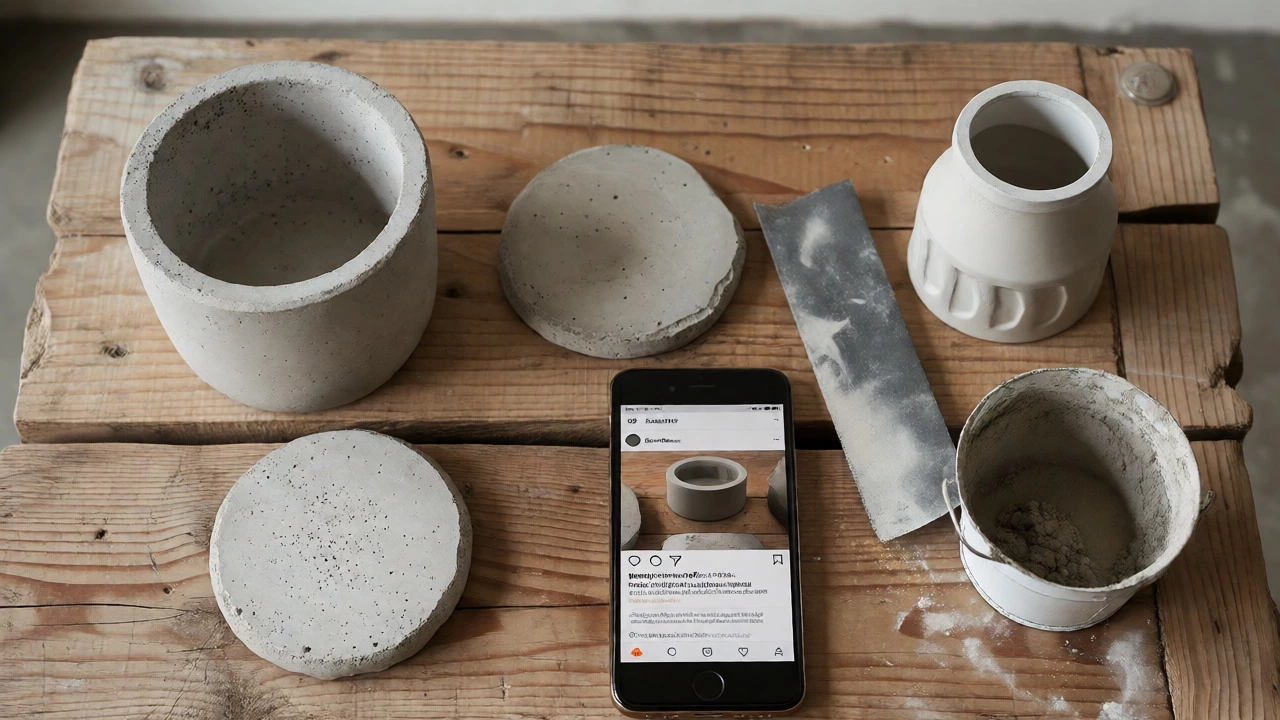
Concrete isn't just for buildings. Small concrete planters, coasters, and candle holders are hugely popular in modern interior design. The raw materials-cement, sand, water-are incredibly cheap. Often, construction sites give away leftover buckets of mix for free. Molds can be made from yogurt pots, milk cartons, or silicone molds you already own. Sanding requires simple sandpaper.
Why does this work? Because concrete feels substantial and expensive, but costs pennies to make. A small planter might cost 20p in materials but sells for £8-£12 at local markets or online. The challenge is weight, which increases shipping costs. To solve this, focus on local pickup within your city. Market your products as "hand-poured," "sustainable," and "unique." Photograph them in good natural light. Since you have no money for ads, rely on visual appeal. Instagram is your shop window. Tag local interior designers or home decor influencers. Offer them a free piece in exchange for a shoutout. This barter system replaces cash marketing budgets.
Service-Based Manufacturing: Repair and Refurbish
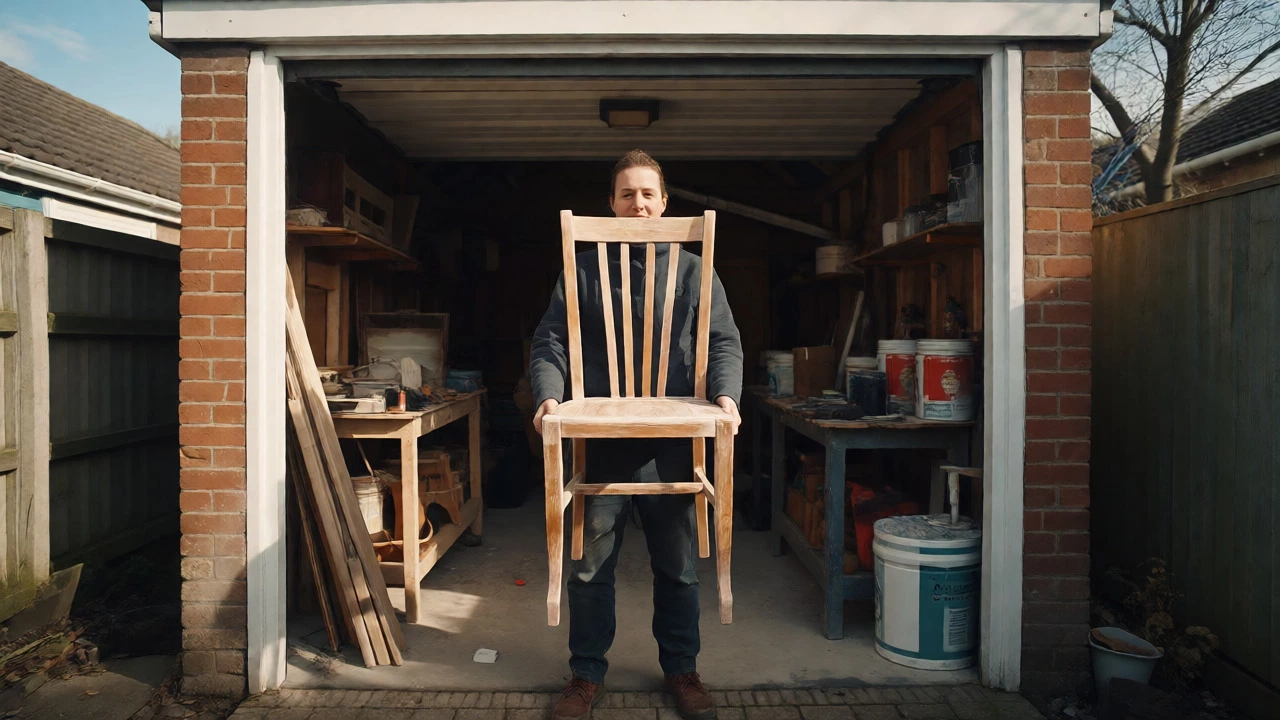
Sometimes, the easiest manufacturing business isn't making new things-it's fixing old ones. Upcycling furniture or repairing electronics falls under this umbrella. If you have basic carpentry skills, you can take broken wooden chairs found on Freecycle, clean them, repaint them, and sell them for profit. The acquisition cost is zero (free), and the material cost is negligible (sandpaper and paint).
This model builds trust quickly. When you fix something, you demonstrate expertise. Customers who buy refurbished furniture often become repeat clients for future projects. You can expand into custom builds later. For now, your "factory" is your driveway or garden shed. Your "machinery" is your existing toolkit. List your services on local community boards. Be honest about the condition. Transparency wins customers who are wary of online scams.
Practical Steps to Launch Today
Knowing what to make is half the battle. Here is how to execute without spending a penny:
- Audit Your Assets: Look at your pantry, garage, and wardrobe. What materials do you already own? Old fabric, leftover paint, spare wood, or baking ingredients?
- Create One Prototype: Don't try to launch a full range. Make one excellent example of your product. Spend two days perfecting it.
- Photograph It Well: Use your smartphone. Natural light is free and better than studio lights. Show the product in use, not just sitting on a table.
- Set a Pre-Order Price: Calculate your time and material replacement cost. Add a margin. Keep it simple.
- Post and Sell: Share on social media and local groups. Ask for pre-orders. Use the incoming cash to buy the next batch of materials.
- Deliver and Collect Feedback: Hand-deliver locally to save on postage. Ask the buyer what they liked and what could be improved.
This loop-Make, Sell, Reinvest-is the heartbeat of bootstrapped manufacturing. It teaches you more about your business than any MBA course. You learn pricing, logistics, and customer preferences directly from the source.
Common Pitfalls to Avoid
The biggest mistake is over-engineering. You might spend three weeks designing a logo before selling a single unit. Skip the logo. Write your name on a sticky note if you have to. Another trap is trying to scale too fast. Don't buy bulk materials until you've sold out of your first batch. If you make ten candles and sell five, don't buy wax for fifty more. Stick to small batches.
Also, beware of hidden costs. Even if you start with no money, taxes exist. In the UK, you need to register as self-employed with HMRC once you earn above the trading allowance (£1,000/year). Set aside 20-30% of your revenue for tax. Don't spend it all on fancy packaging. Brown paper and string look rustic and cost less than branded boxes.
Frequently Asked Questions
Can I really start a manufacturing business with absolutely zero money?
Yes, if you define "money" as cash outlay. You will invest time and existing resources. By using household items, waste materials, and a pre-order model, you avoid purchasing inventory or equipment upfront. Revenue from early sales funds subsequent production cycles.
What are the legal requirements for selling homemade food in the UK?
You must register your food business with your local authority at least 28 days before trading. You also need to ensure hygiene standards are met, which may involve a basic food hygiene certificate. Check specific rules for cottage food laws regarding non-prepackaged foods.
Which niche has the highest profit margin for beginners?
Textile upcycling and concrete crafts often have high margins because material costs are near zero. However, time is the cost. Food processing has lower margins due to ingredient costs but higher turnover rates. Digital print-on-demand has low margins per unit but zero production effort.
Do I need insurance for a home-based manufacturing business?
Public liability insurance is recommended, especially if customers visit your home or you sell at markets. Some home insurance policies exclude business activities, so check with your provider. Many insurers offer affordable starter policies for small manufacturers.
How do I find customers without a marketing budget?
Leverage free platforms: Facebook Marketplace, Nextdoor, Instagram, and TikTok. Engage in local community groups. Barter services with other small businesses. Word-of-mouth is powerful if your product quality is high. Encourage reviews by asking happy customers to share photos.