
India TV Import Cost Calculator
Import Details
Cost Breakdown
| Customs Duty & Taxes (~35%) | + ₹29,050 |
| Shipping/Logistics | + ₹0 |
| Total Landed Cost | ₹112,050 |
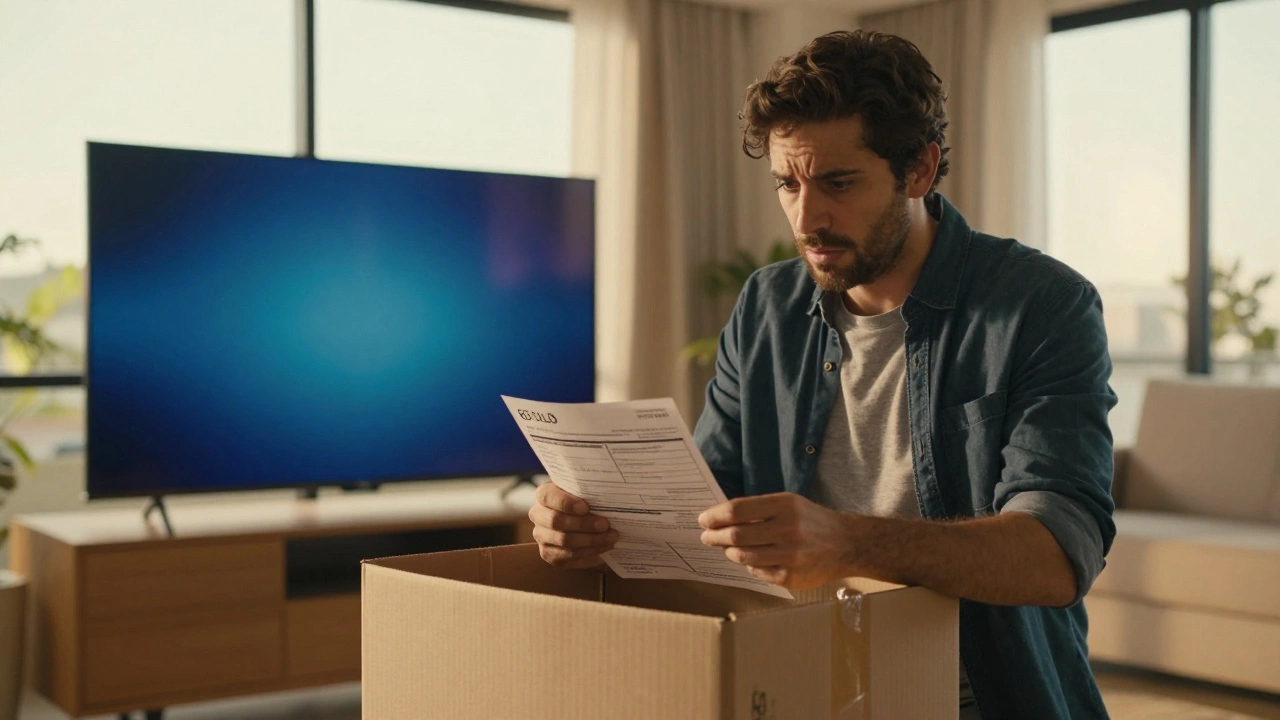
Imagine standing in your living room in Mumbai or Delhi, unpacking boxes after a long trip from New York. You pull out that massive 65-inch 4K OLED TV you bought for a steal during Black Friday sales. It looks stunning. But then the reality hits: Can you actually bring this beast into India without getting fined at customs? The short answer is yes, but it comes with strings attached-specifically regarding customs duty, voltage compatibility, and physical logistics.
Many travelers assume they can just slip a large electronic item through immigration if it’s packed well. In India, that assumption can cost you thousands of rupees. The Directorate General of Foreign Trade (DGFT) and Indian Customs have strict guidelines on personal effects versus commercial imports. Understanding these rules before you board your flight is the difference between a smooth landing and a stressful standoff at the airport arrival hall.
The Personal Effects Baggage Allowance
When you enter India as a passenger, you are entitled to bring certain goods duty-free under the "Personal Effects" category. However, the definition of "personal" is where most people get tripped up. According to current CBIC (Central Board of Indirect Taxes and Customs) regulations, passengers can carry used personal items duty-free. The key word here is used.
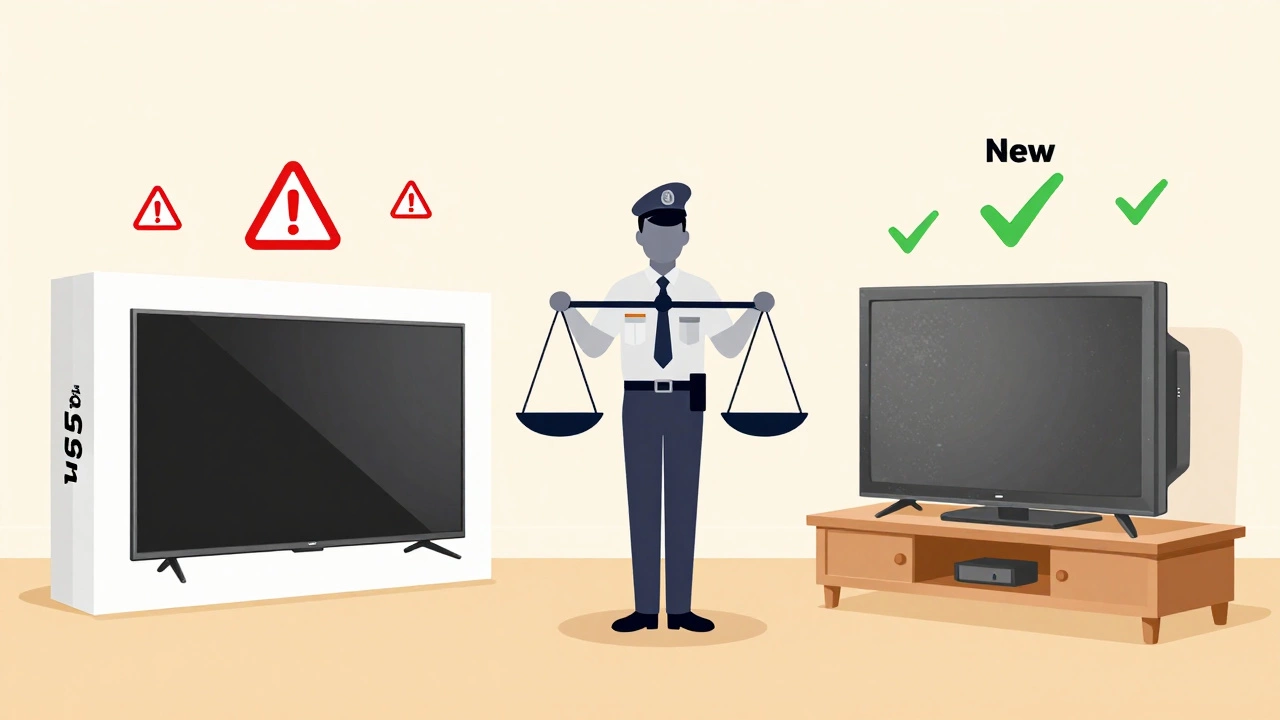
If your 65-inch TV has been part of your household in the USA for more than six months, it qualifies as a used personal effect. You must be able to prove this. This usually means showing purchase receipts, photos of the TV in your old home, or even utility bills that place you at that address. If the TV is brand new, still in its original box with tags attached, Customs officers will likely classify it as a new import, not a personal effect. New electronics are subject to significant duties because India protects its domestic manufacturing sector.
There is also a weight limit to consider. For air passengers, the duty-free allowance for personal baggage is generally 10 kg for residents returning from abroad. A 65-inch TV, along with its stand, remote, cables, and protective packaging, often weighs between 20 kg and 30 kg. Even if it’s "used," exceeding the weight limit for duty-free baggage can trigger scrutiny. Officers may argue that an item so heavy and bulky isn't truly "personal" in the same way a laptop or camera is.
| Item | Duty-Free Limit (Air) | Typical 65" TV Weight | Risk Level |
|---|---|---|---|
| Used Personal Effects | 10 kg | 25-35 kg (with packing) | High (Weight Exceedance) |
| New Electronics | Not Allowed Duty-Free | N/A | Critical (Full Duty Payable) |
| Gift Items | Up to ₹50,000 total value | N/A | Medium (Value Dependent) |
Calculating the Customs Duty Hit
Let’s say you decide to declare the TV, or Customs decides it’s new enough to tax. What will you pay? India’s customs structure for consumer electronics is complex. It typically involves Basic Customs Duty (BCD), Social Welfare Surcharge (SWS), and Integrated Goods and Services Tax (IGST).
For a color television set, the Basic Customs Duty is currently around 15% to 20%, depending on specific HS Code classifications and any temporary policy changes. On top of that, you’ll pay IGST, which is 18% for most electronics. There’s also a Social Welfare Surcharge of 10% on the basic duty. When you stack these up, the effective tax rate can easily reach 30% to 40% of the declared value of the TV.
Here is a rough calculation example: If you bought the TV for $1,000 USD (approximately ₹83,000 INR):
- Basic Customs Duty (15%): ₹12,450
- Social Welfare Surcharge (10% of BCD): ₹1,245
- IGST (18% on CIF value + Duty): ~₹17,000
- Total Estimated Duty: ~₹30,000+
Voltage and Plug Compatibility: The Hidden Trap
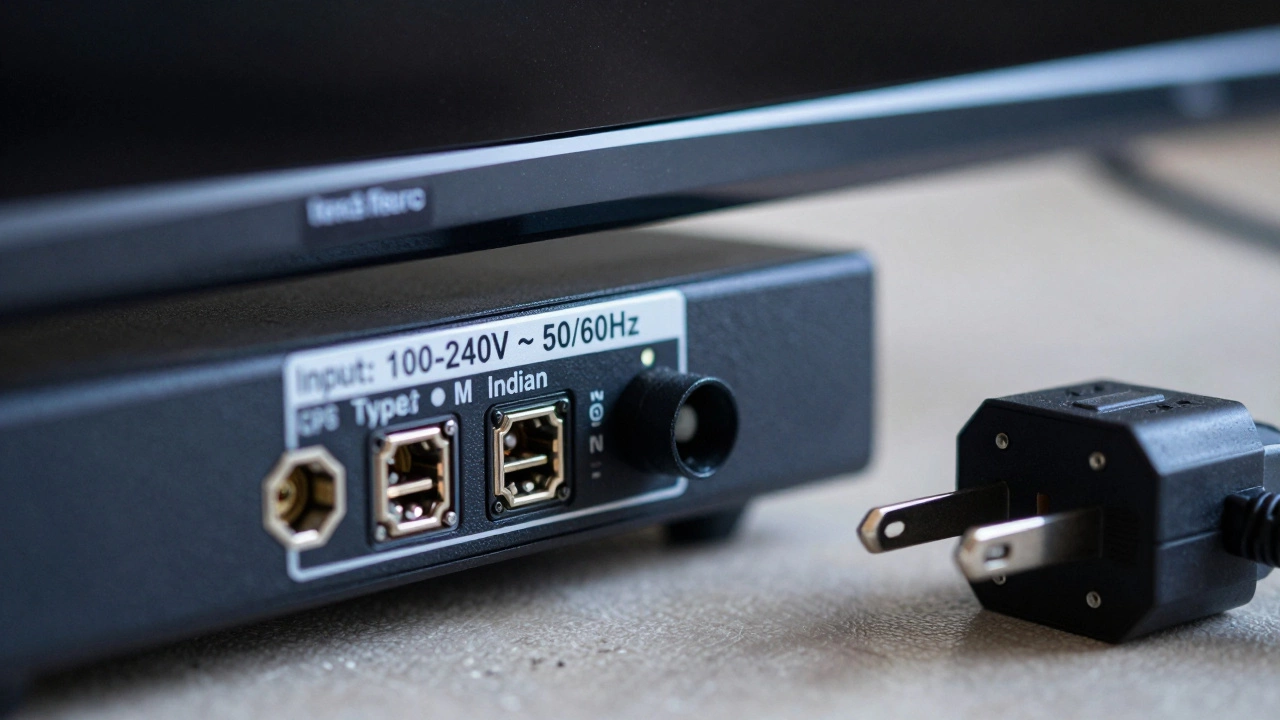
Even if you clear customs, your TV might not work immediately. This is a critical technical detail that many travelers overlook. The USA operates on 110-120V electricity with Type A and B plugs. India operates on 230V with Type M, C, and D plugs.
Most modern high-end TVs (Samsung, LG, Sony) manufactured for the global market are "auto-switching" or dual-voltage. They support 100-240V input. You need to check the label on the back of the TV or the power adapter. If it says "Input: 100-240V ~ 50/60Hz," you are safe. You only need a simple plug adapter to fit the Indian wall socket.
However, if the TV is strictly rated for 110V, plugging it directly into an Indian outlet will instantly fry the power supply unit. You would need a heavy-duty step-down transformer, which is expensive, bulky, and inefficient. For a 65-inch TV, finding a reliable transformer that can handle the peak load without overheating is difficult. Always verify the voltage rating before purchasing or packing.
Logistics: Packing and Shipping Risks
A 65-inch TV is fragile. The screen is essentially a sheet of glass. Carrying it in checked luggage is risky. Airlines are not liable for damage to fragile items in checked bags unless specifically declared and insured, which adds another layer of cost.
If you are carrying it personally:
- Keep the original box. It has custom foam inserts designed to absorb shock.
- If you don’t have the box, buy a specialized TV travel case or use bubble wrap and cardboard reinforcement.
- Label the bag clearly as "FRAGILE - ELECTRONICS."
Warranty and Service Implications
This is perhaps the most overlooked aspect. Most US warranties for electronics are not valid internationally. If your Samsung TV was purchased in California, Samsung India may refuse to service it under warranty. They might offer paid repair services, but parts availability could be an issue if the model number differs slightly between regions (e.g., UN65... vs UA65...).
Before bringing the TV, check with the manufacturer’s Indian support page. Look up the specific model number. If it’s not listed in India’s catalog, you are on your own for repairs. Screen replacements for 65-inch 4K/OLED panels can cost upwards of ₹40,000 to ₹60,000 in India if out of warranty. Ensure you have extended protection plans that cover international incidents, though these are rare for consumer electronics.
Alternatives: Buying Locally in India
In 2026, the electronics market in India is robust. With the rise of local manufacturing under the "Make in India" initiative, prices for TVs have become competitive. During major sales events like Amazon Great Indian Festival or Flipkart Big Billion Days, you can often find 65-inch 4K TVs for ₹40,000 to ₹60,000. High-end OLED models might range from ₹1.5 lakh to ₹2.5 lakh.
Compare this to the US price plus shipping, insurance, and potential customs duties. Often, the total landed cost of importing matches or exceeds the local price. Moreover, buying locally gives you:
- Valid Indian warranty.
- No voltage conversion issues.
- Easier returns and exchange policies.
- Immediate availability of service centers.
Is it illegal to carry a TV from the USA to India?
No, it is not illegal. However, you must declare it if it exceeds duty-free allowances or appears new. Failure to declare can lead to confiscation and penalties.
How much customs duty do I pay on a TV imported to India?
You typically pay Basic Customs Duty (15-20%), Social Welfare Surcharge, and IGST (18%). The total effective tax rate can range from 30% to 40% of the TV's declared value.
Will my US-bought TV work in India?
Only if it supports 220-240V voltage. Check the label on the back. If it only supports 110V, you need a step-down transformer. Also, you will need a plug adapter for Indian sockets.
Can I avoid customs duty by saying the TV is a gift?
India allows a duty-free gift allowance of up to ₹50,000 per person. A 65-inch TV usually exceeds this value. If it’s over ₹50,000, you must pay duty on the excess amount.
What documents should I carry to prove the TV is used?
Carry the original purchase receipt, proof of residence in the USA (utility bills), and ideally photos showing the TV in use at your previous home. This helps establish it as a personal effect rather than a new import.